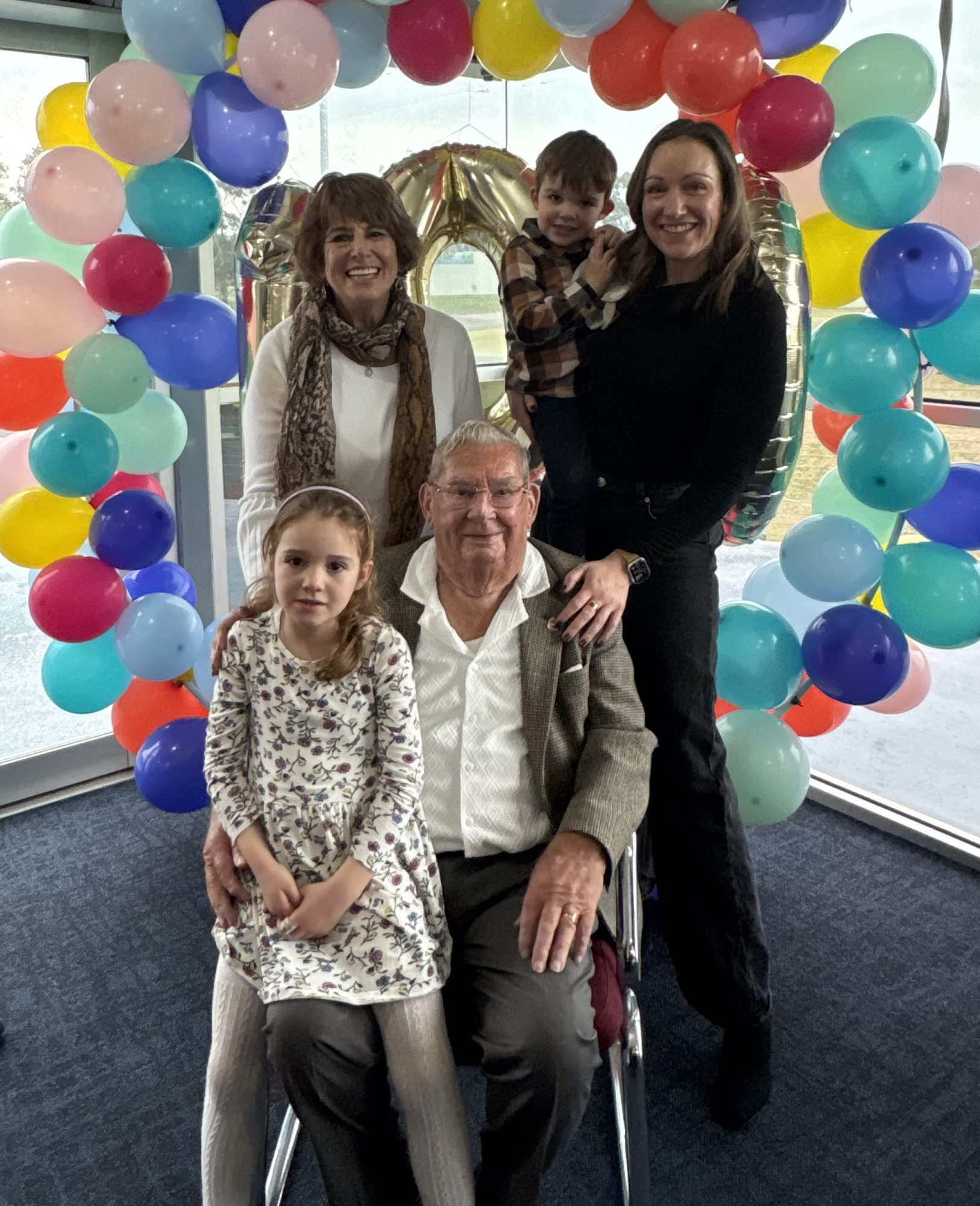
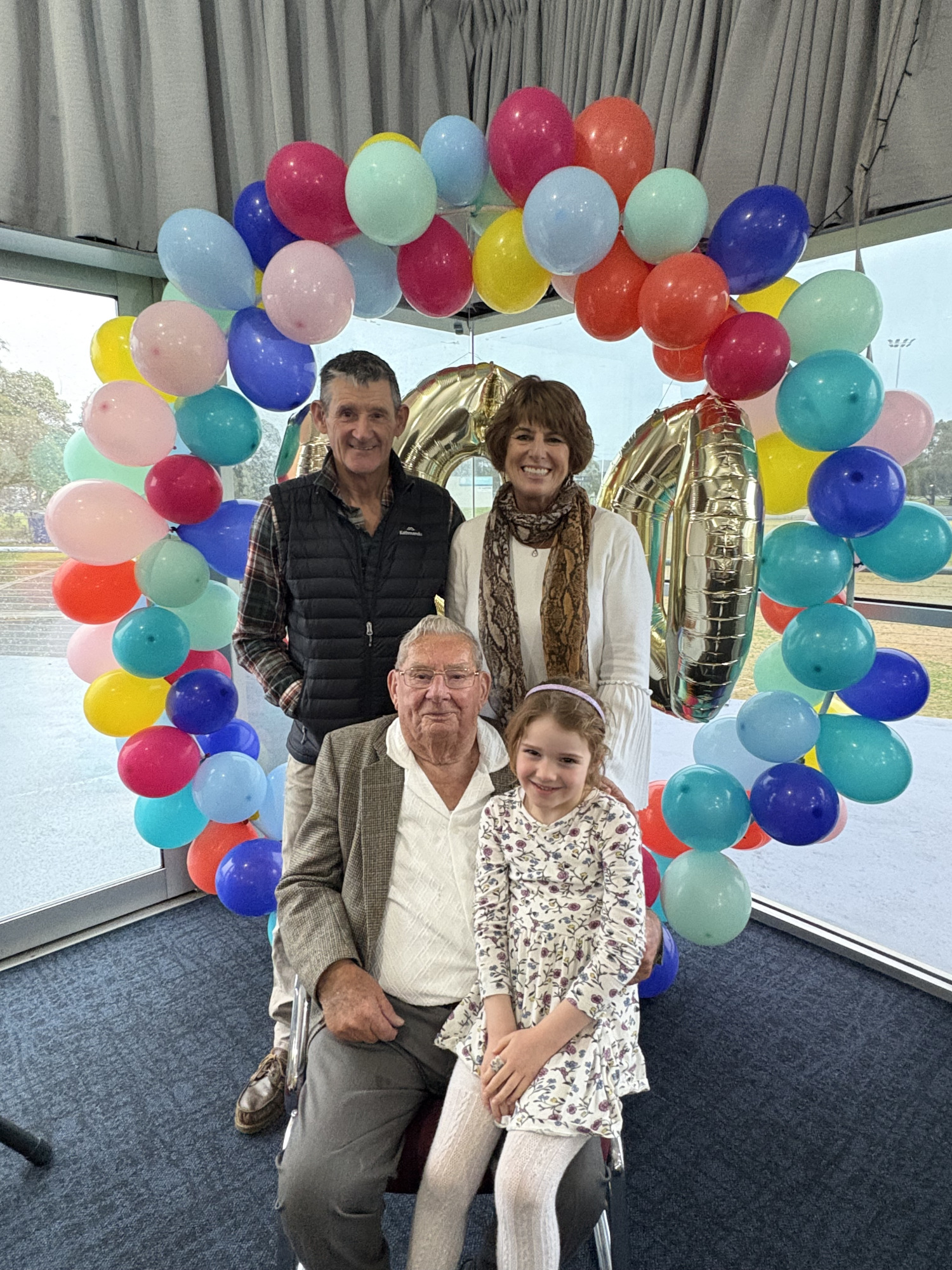
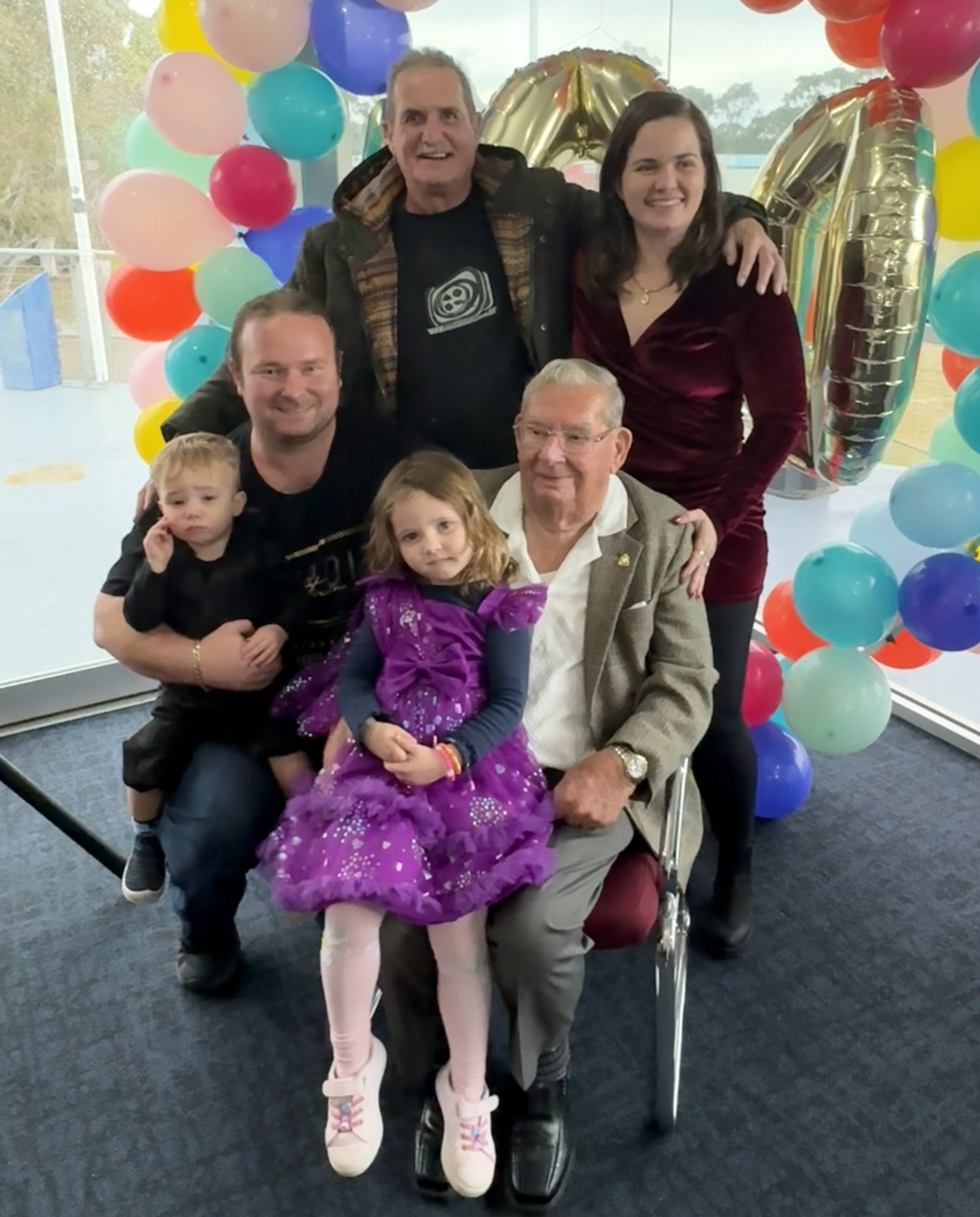
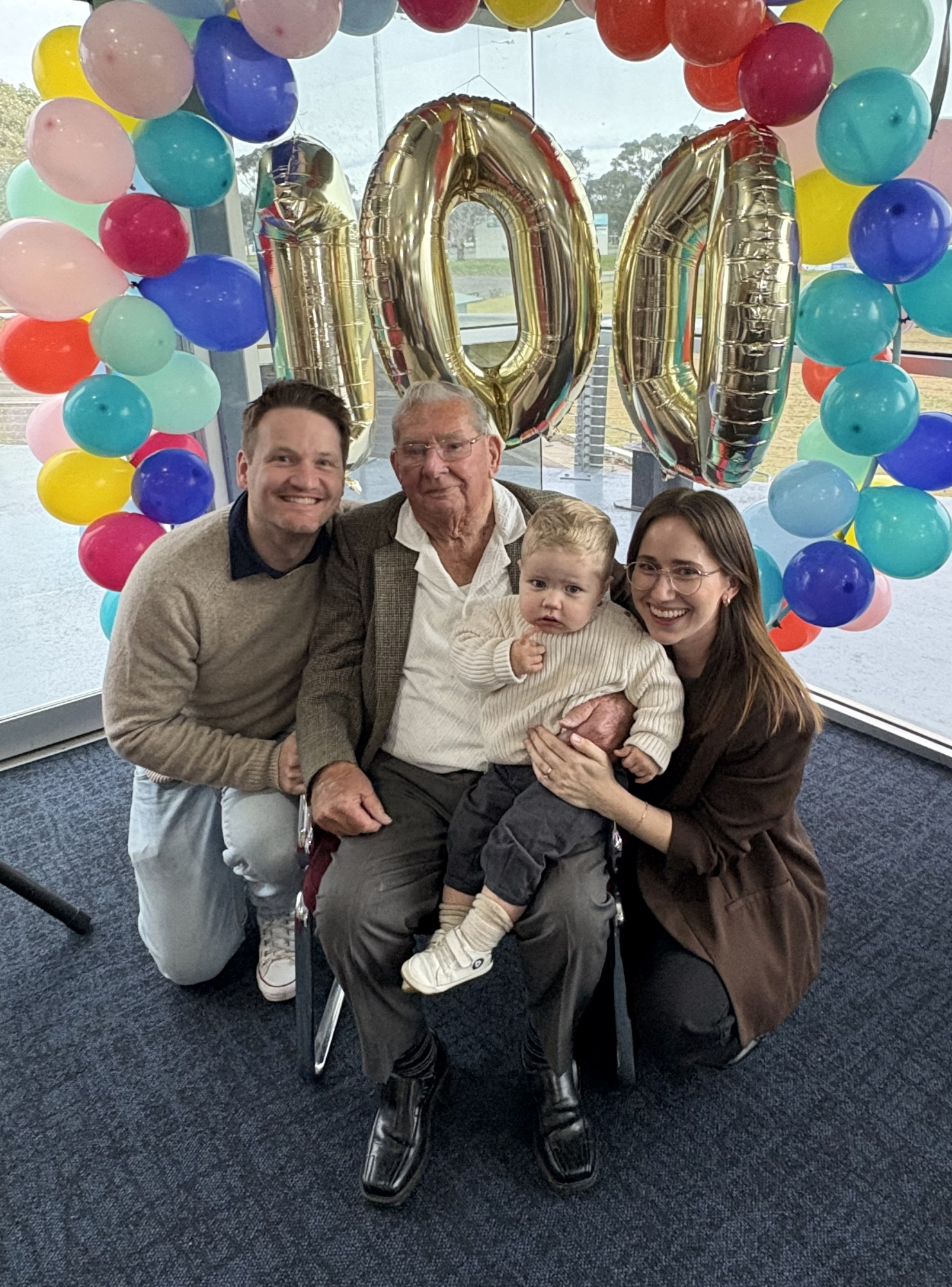
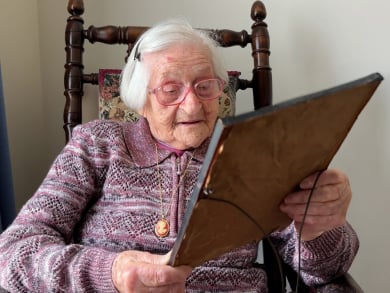
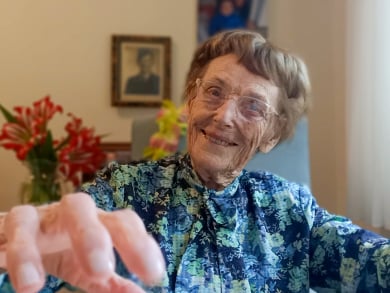
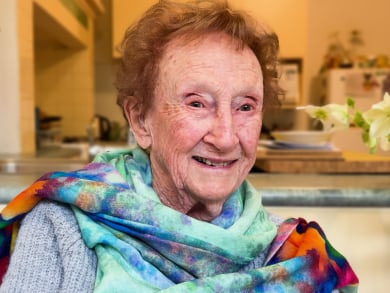
Me mother
she came out from England,
"had a one night stand
in Fremantle."
And, I’m the result
of the one night stand.
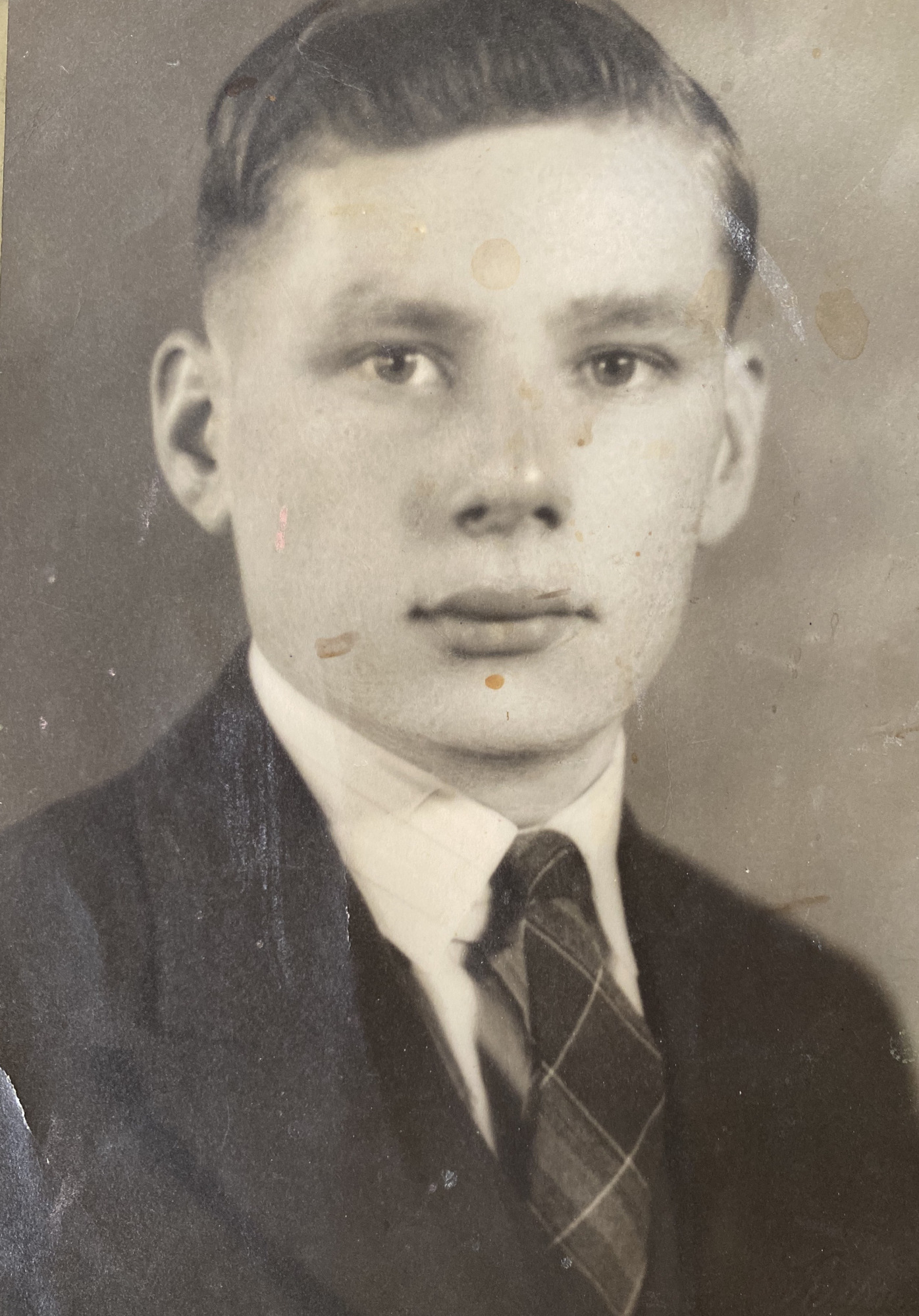
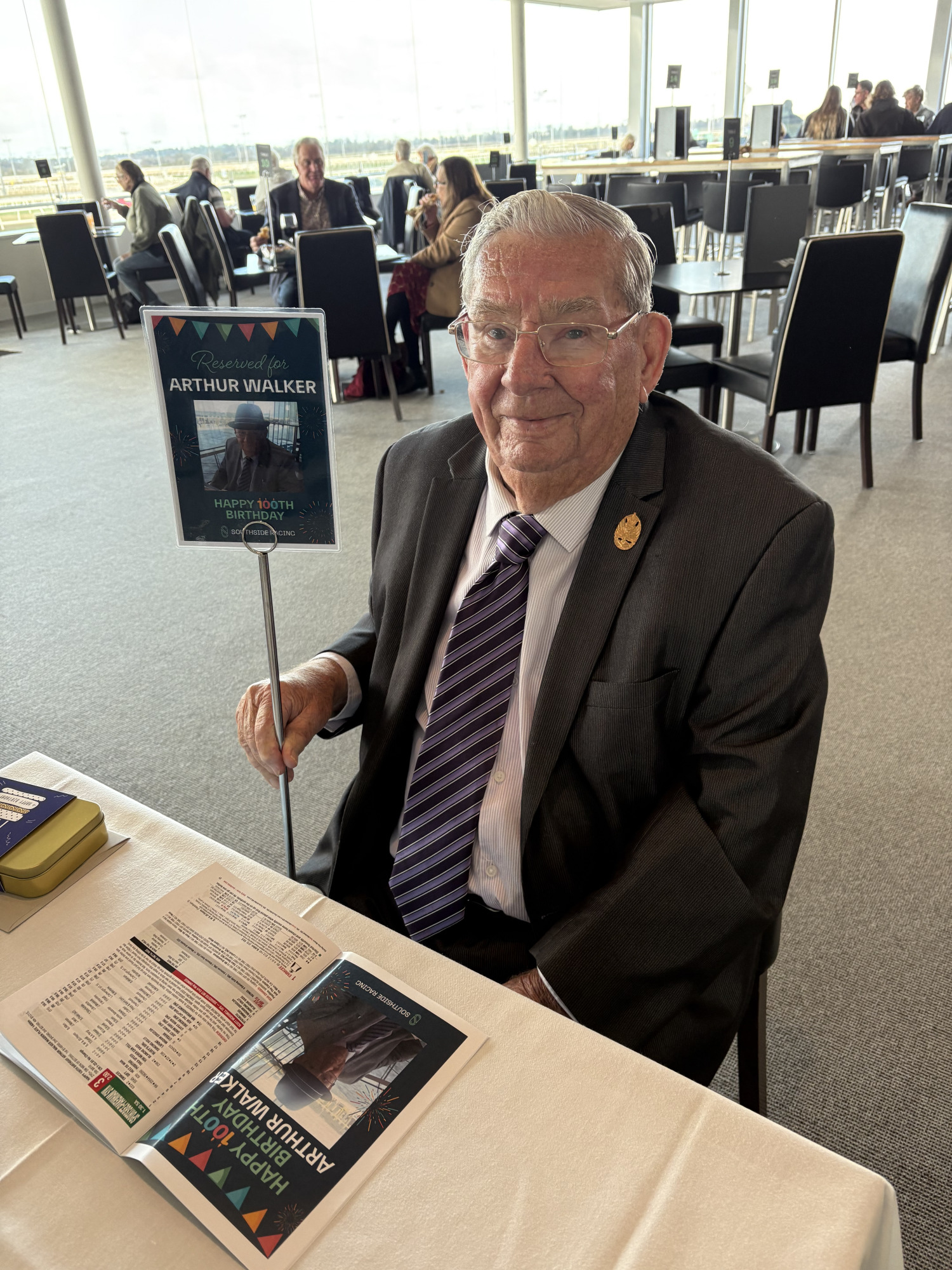
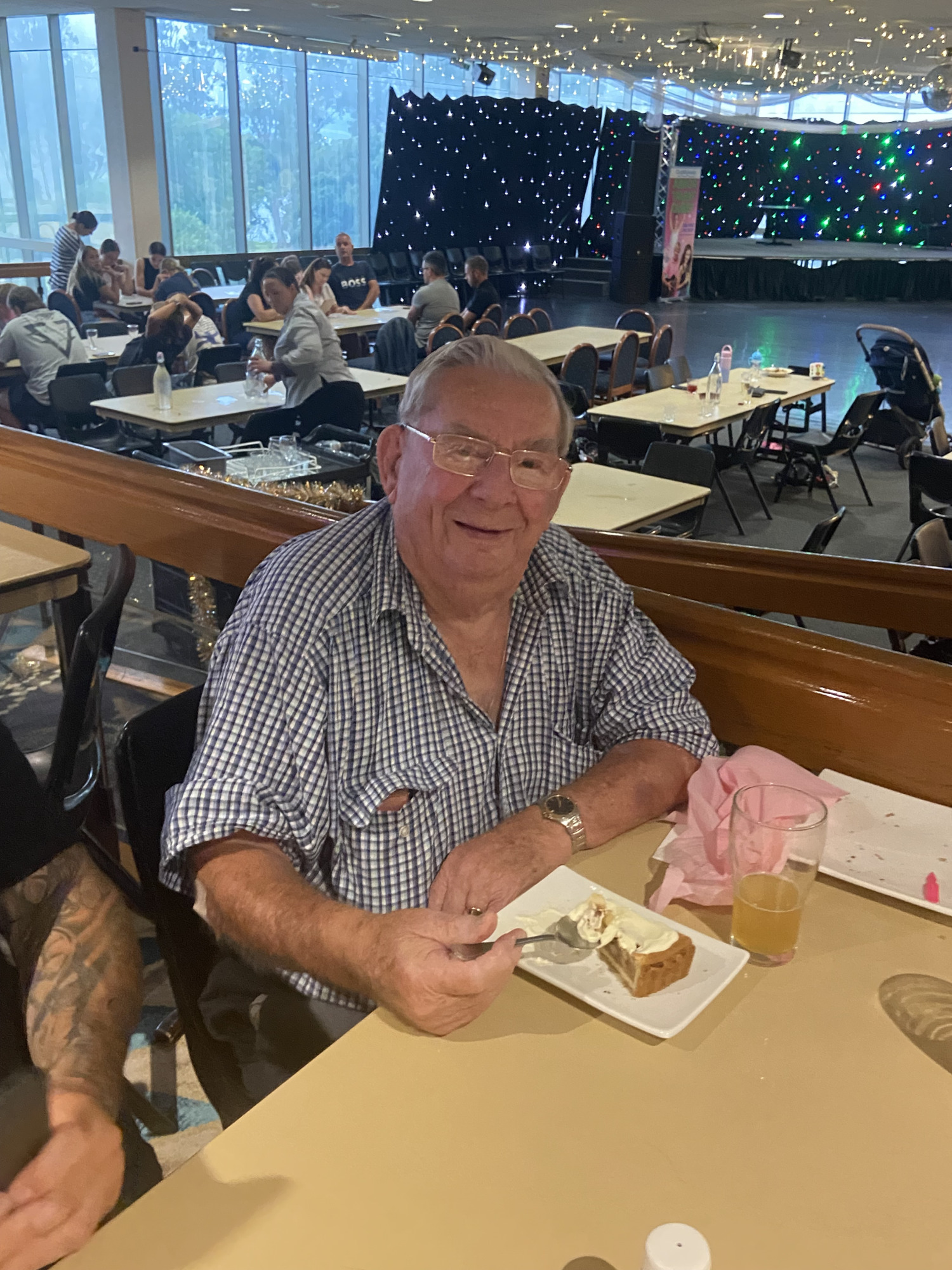
My name’s Arthur Walker.
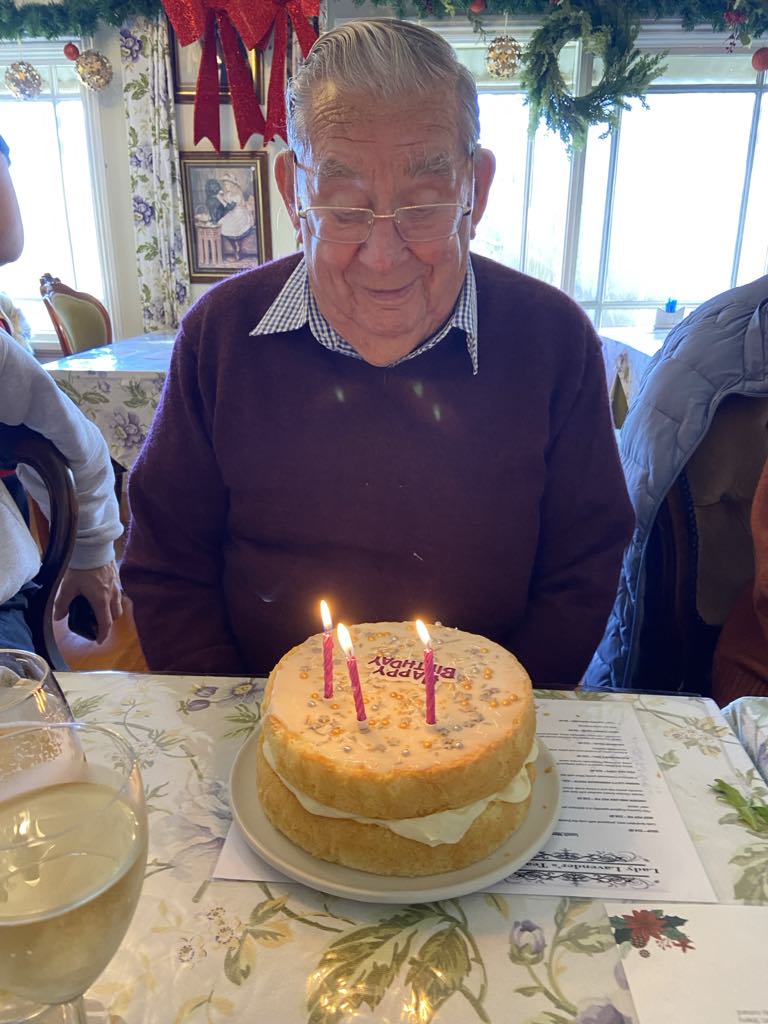
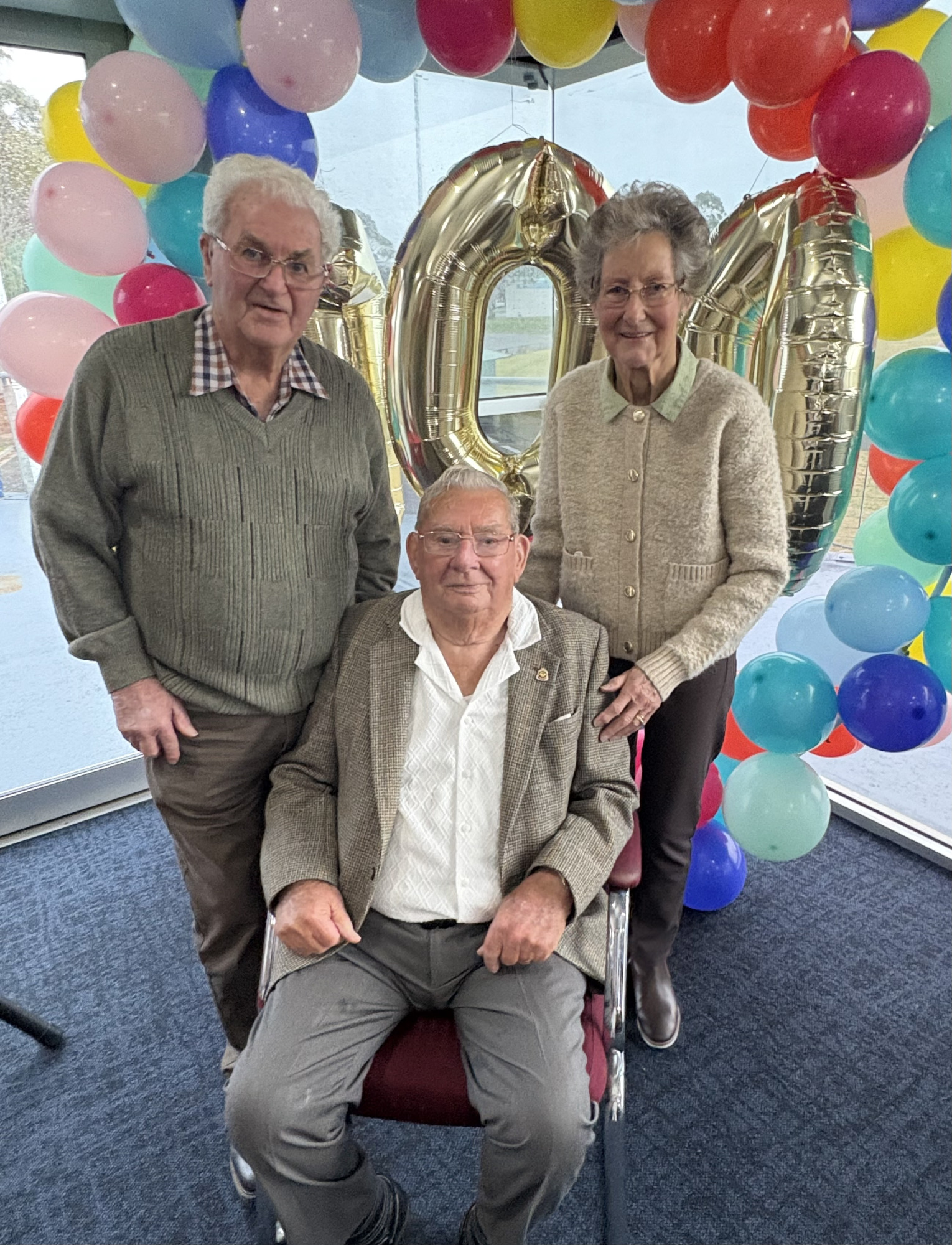
I was born 13th of July 1925
in the
Melbourne Women's Hospital
in Carlton.
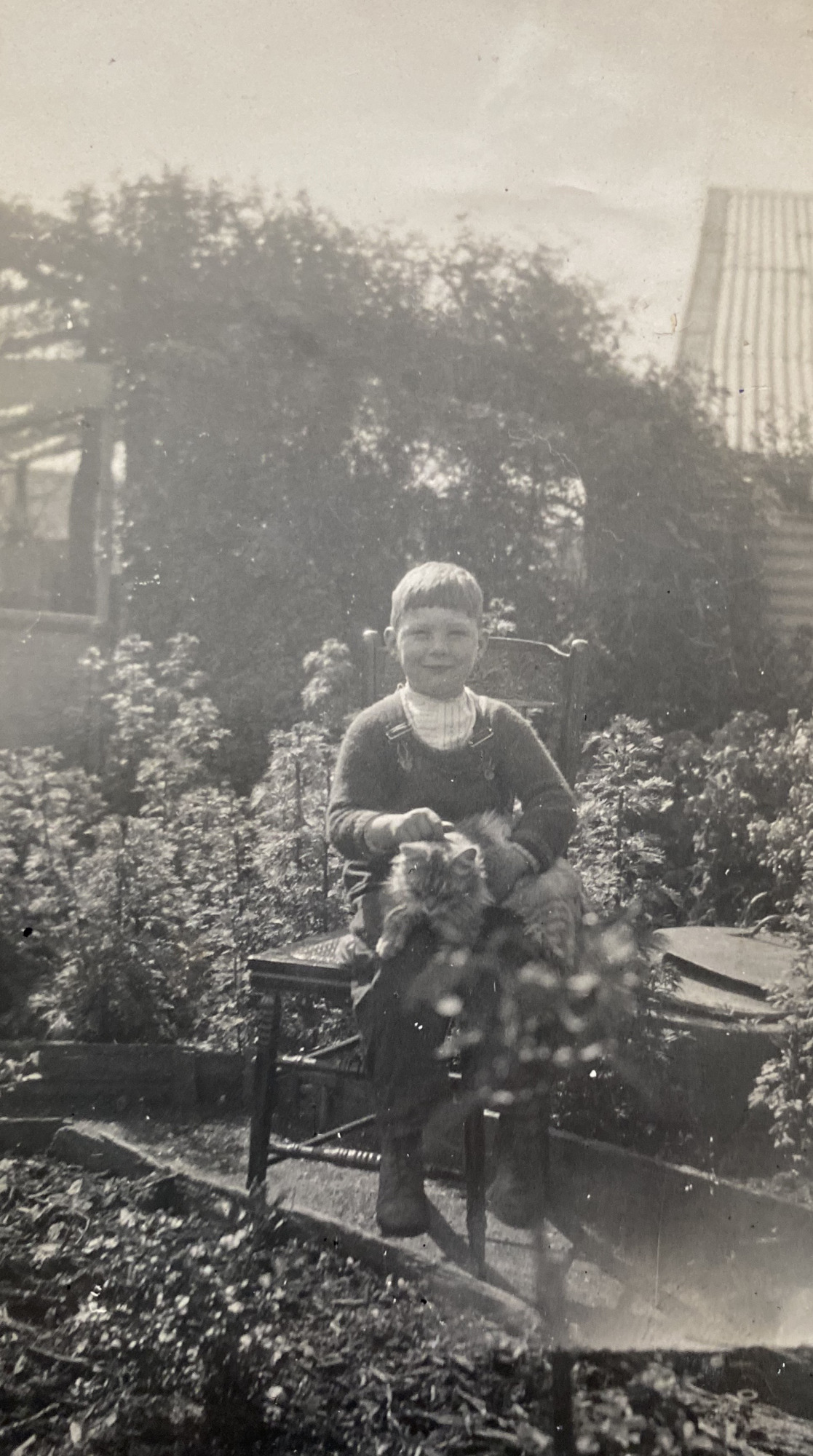
I was put in foster care
from when I was born.
Well I never got any
love and care.
It was all boys home.
From the day I
went into a home...
"because I was
the smallest there,"
of course I got picked on.
Nearly 12 wasn’t it?
Foster homes?
I must have been bad
"because they kept
shifting me around."
Up in Bendigo,
"we never had
electricity out there,"
it was all kerosene
lamps and candles.
The woman we were living with
had a linen shop
opposite a blacksmith.
So I used to go
and watch the blacksmith
shoeing horses all day
if we were allowed out,
it wasn't raining.
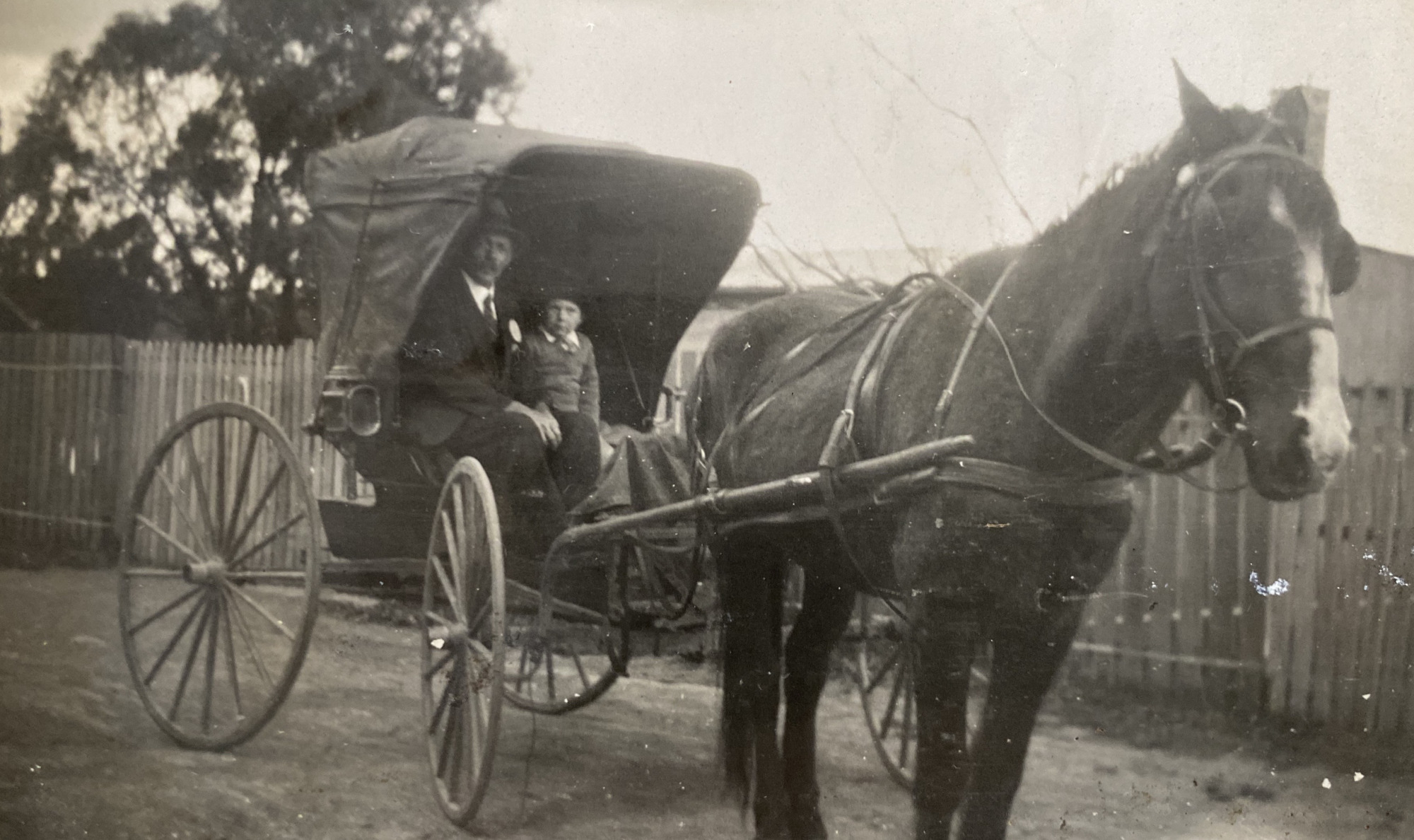
in the horse and buggy
in one of them.
Well that'd be 1929.
I'd be four.
It would be 1929, 1930.
I finished up being
put in a boys home
I went to
four different boys homes.
And they weren't too bad
"except for one,
which was Tally Ho,"
which I didn't like.
But other than that,
life was livable.
"Burwood Boys Home
was very good."
They looked after us.
We used to go to community
singing once a month
in Melbourne at the Regent theatre.
We went to the zoo
"we went to the
Moonee Valley Racecourse."
They used to have
a day for children.
We went to the
opening of the Shrine in 1934.
At Melbourne's
great Shrine of Remembrance.
A quarter of a million people
surround the majestic
stone monument,
"which enshrines
the memory of Anzac."
"We were in the front row
of the crowd"
or the procession
whatever you call it.
We were only 30ft
away from the speaker
And it was a very big honour
to be there
when I come to think of it now.
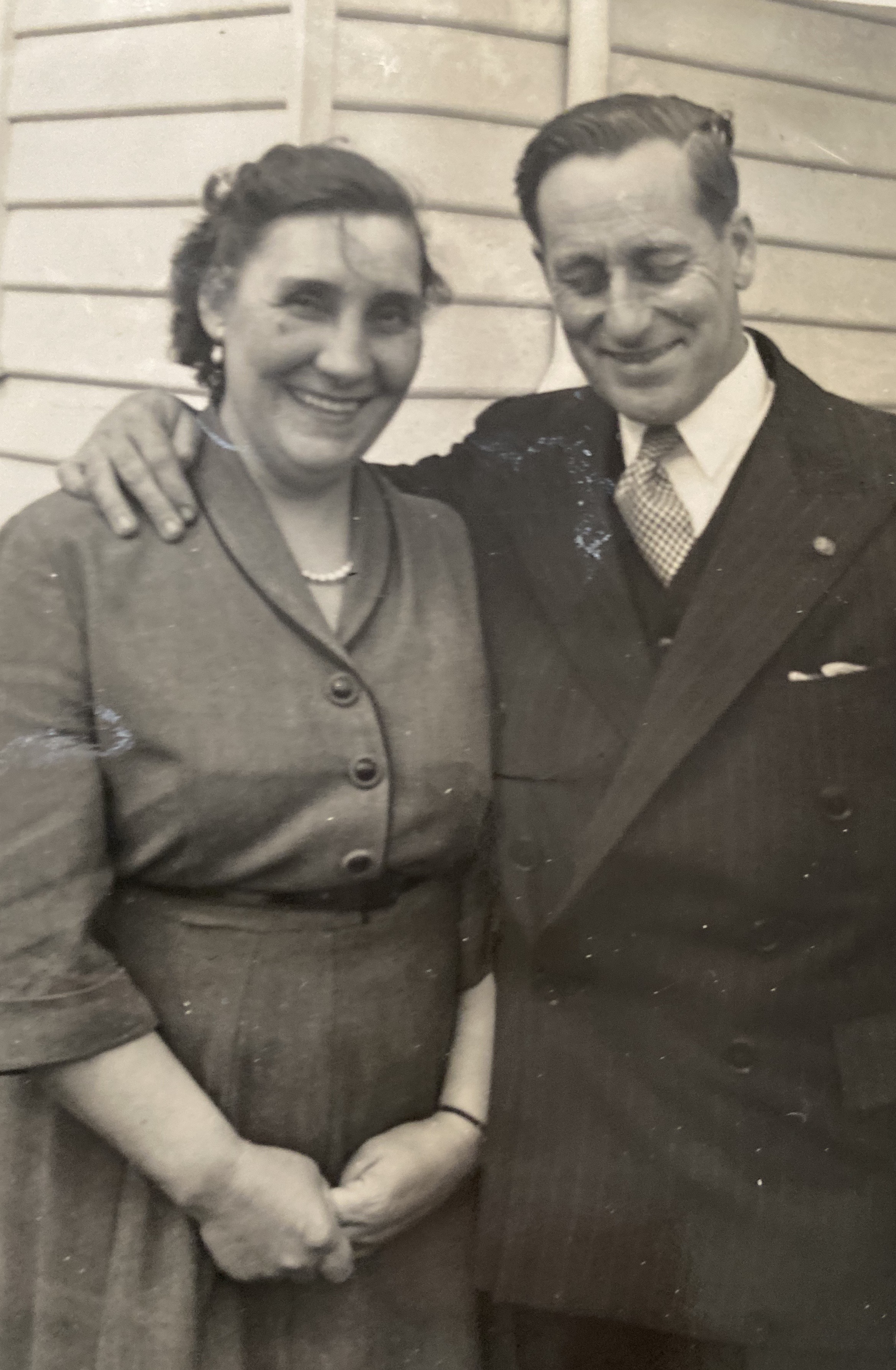
Me mother
"was in the Depression
out of work,"
"so I was made
a ward of the state,"
and I was shipped down to
Minton Boys Home at Frankston
There was 136 boys
and two teachers.
And it was just as bad
for the education.
Didn't really get one.
You had to be real bright
to get ahead there.
I wasn't that bright.
I took on the responsibility
of running the laundry,
so I used to wash 136 towels
every day
and sheets
once a week, and clothes...
Oh, big job, big job.
We used to have a band
and our bandmaster,
Captain Harry Shugg,
from the Metropolitan Tramways Board
used to come out every Saturday
and teach us how to play
and that and I was learning
the trombone.
After I left Frankston Boys Home,
I went to
"a training farm
out at Lysterfield"
at the training farm,
first bit of music
I heard was Tiger Rag.
That’s my favorite.
I like it because it’s tied up
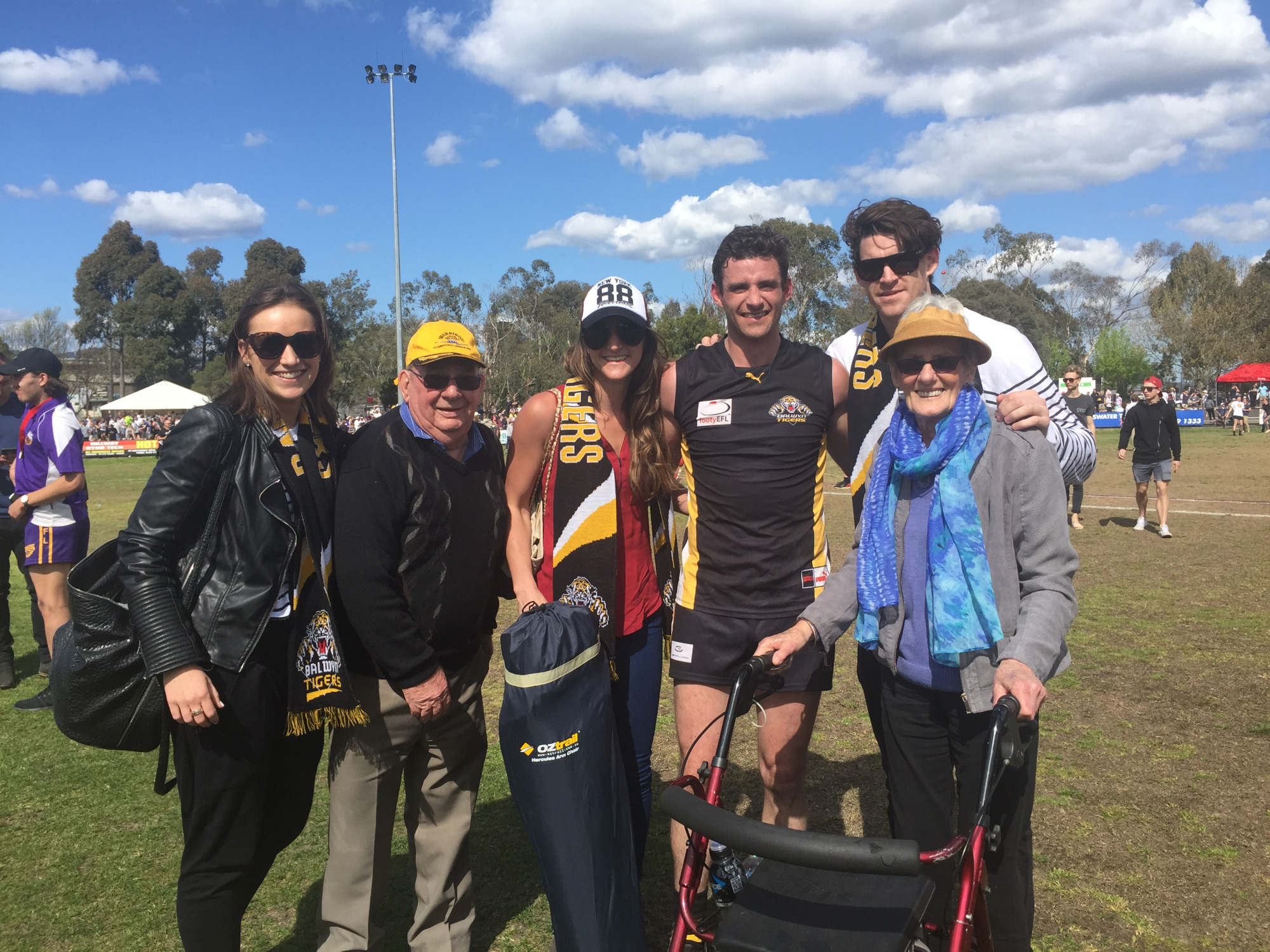
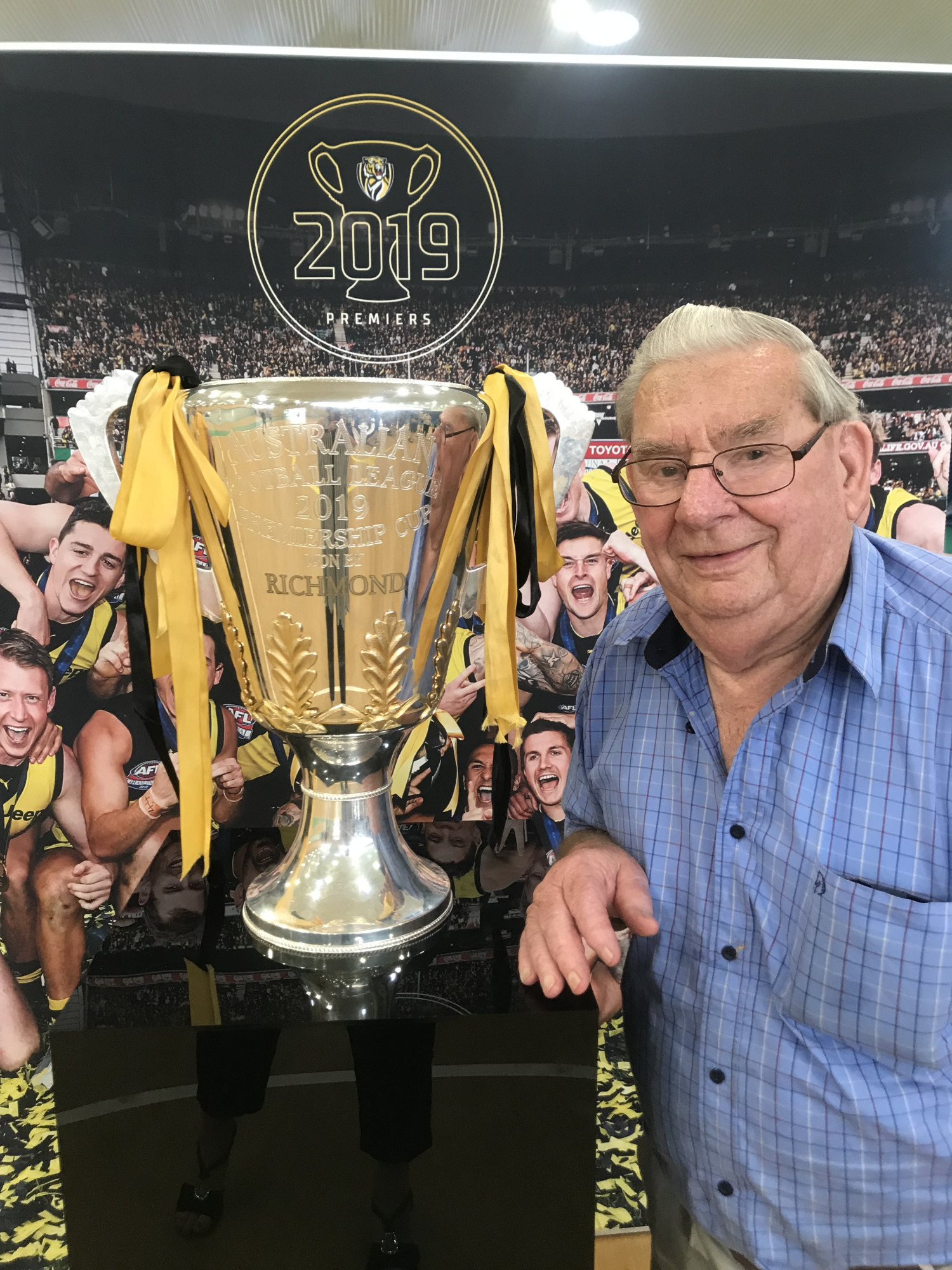
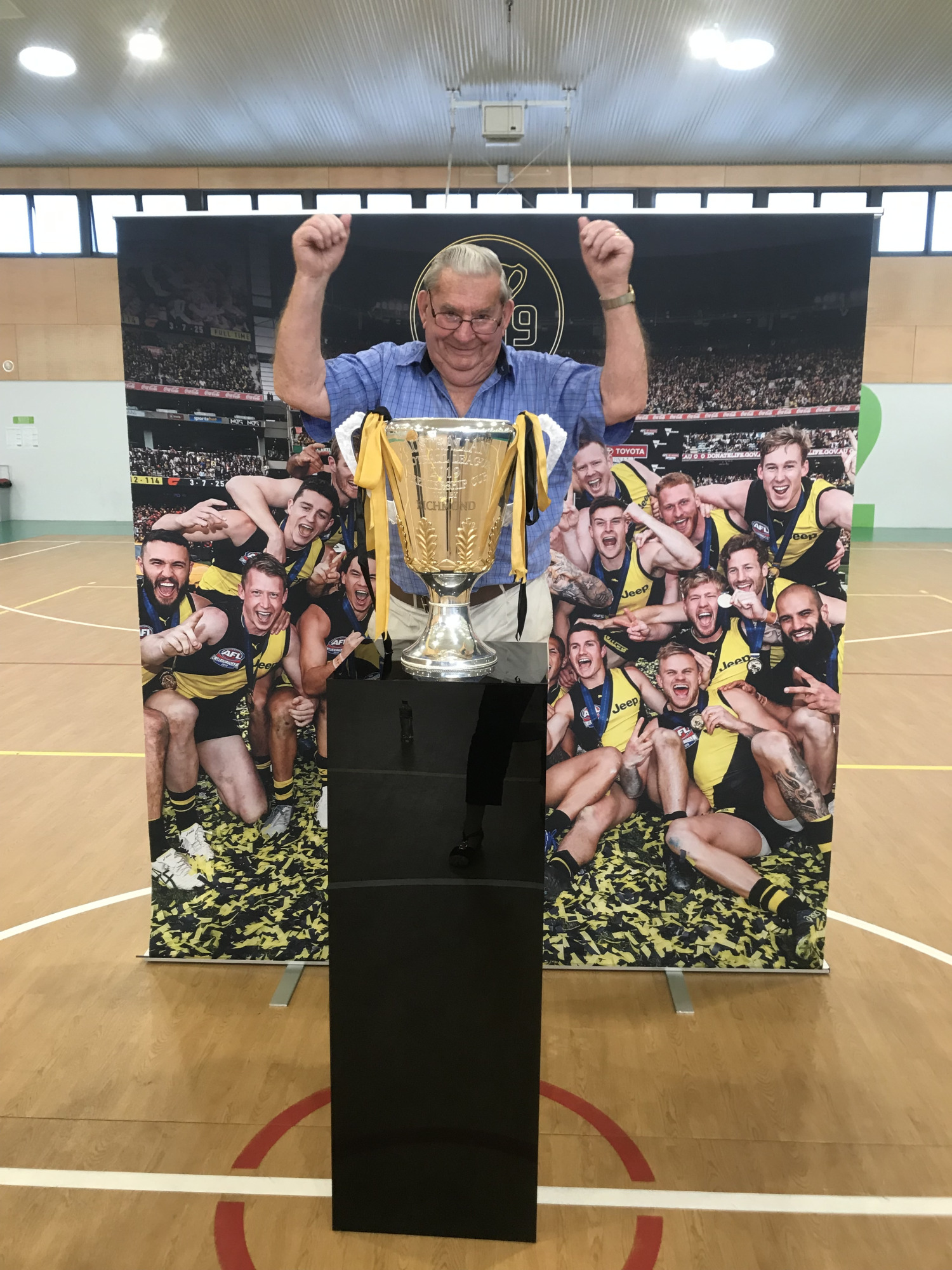
with me Tigers.
Stayed at Richmond
for a couple of years as a kid,
and they were talking about this
young kid from Saint Augustus,
which was just up the road
from where we were living.
Jack Dyer.
"It was him that they were
talking about."
But I was only a kid,
four or five or something.
And I went to the football
in Richmond and saw him play.
"It didn’t mean anything
to me really"
but later on in life,
we realised who it was
and what I saw.
Very good.
"So I followed Richmond
ever since."
They were closing that place down
so they sent me to
"Tally Ho Boys’ Home
in Tally Ho."
What a terrible place it was.
It was a shocking place.
It was everybody for himself.
Bloody terrible.
"I don't know how
they got away with it."
It was terrible.
They had a pool there
that you couldn't swim in.
Because it was green
with slime all over it.
The boys at
Tally Ho
"weren't the best of boys
to be with."
There were villains.
The whole lot of them.
I wouldn't like to say
why I left,
I was selected
to go to another farm,
which suited us,
out at Lilydale,
So I stopped there
till I went home to me mother
when I was 15 1/2,
a couple of days before Christmas,
and met me
little sister who was born on
the 21st of November.
She was only less than a month old
when I met her.
What more can I say?
"I didn’t really know
me mum until..."
"This woman used to come
and visit me"
once a year or something.
But...
she introduced herself as ‘Mum’
so I said she was me Mum.
But I never really knew it until I
went home
at the age of 15 1/2.
She came out to do a job,
and she couldn't
"do the job
because she was pregnant."
She came out as a weaver,
and she had to wait for another
"12 months
before she could go back"
to what she used to do,
which was weaving.
Married in 1933
to my legal guardian.
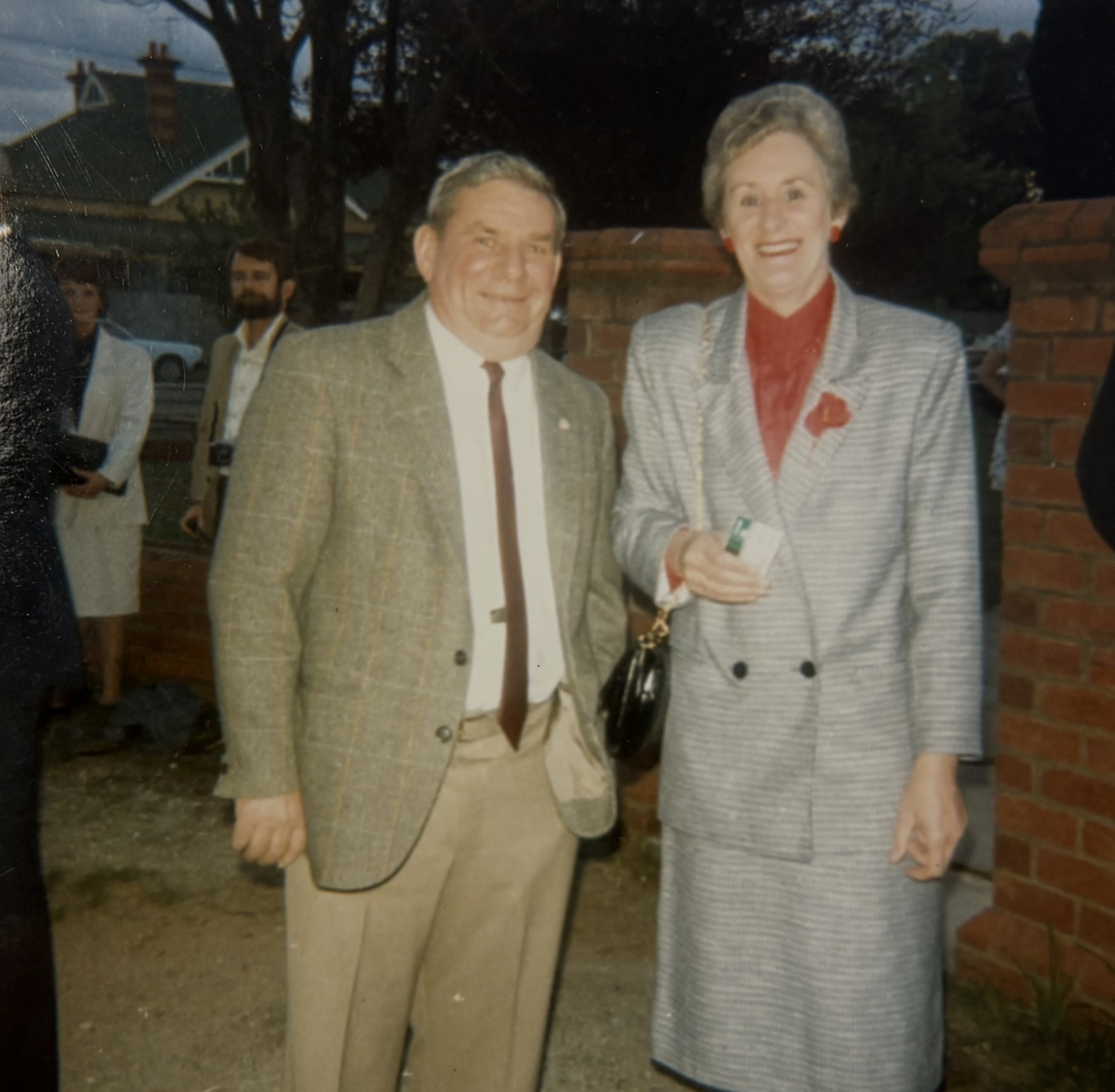
That's me mother and
me guardian, Bert Huntley.
Big change in life.
Big change.
"She took me to Myers
the first week"
when I was home, after New Year.
"She outfitted me
with clothes and"
and dressed me up
I looked like somebody then.
And there’s the first outfit.
Me mother, I got to like again.
I had doubts about her
when I was in a home.
Why did she put me in and
I had doubts about that, but
we soon overcame those when...
"because I realized
when I went home"
that she must have felt guilty
because we finished up, we had
seven boarders over the period.
She took anybody and everybody.
"They were all fellas
about me own age,"
except for one old bloke.
I liked her husband, Bert.
He was a nice fella.
Me mother was...
"I don't think we would
have got on too well"
if he hadn't have been there.
Because...
I don't know, I don't know.
And I got a job
in electroplating
in Lonsdale Street.
It was filthy and I couldn't...
"There was no
wash facilities at work."
So I got a job around the corner
as an apprentice engineer,
"which I liked,
and did for 12 months"
until they put me
riding a bike all over
Melbourne as a messenger boy.
But I didn't like that
so I give that away.
So I went and dyed
women's stockings.
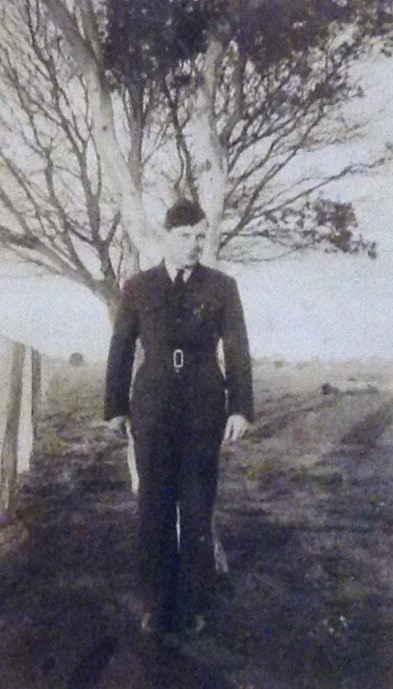
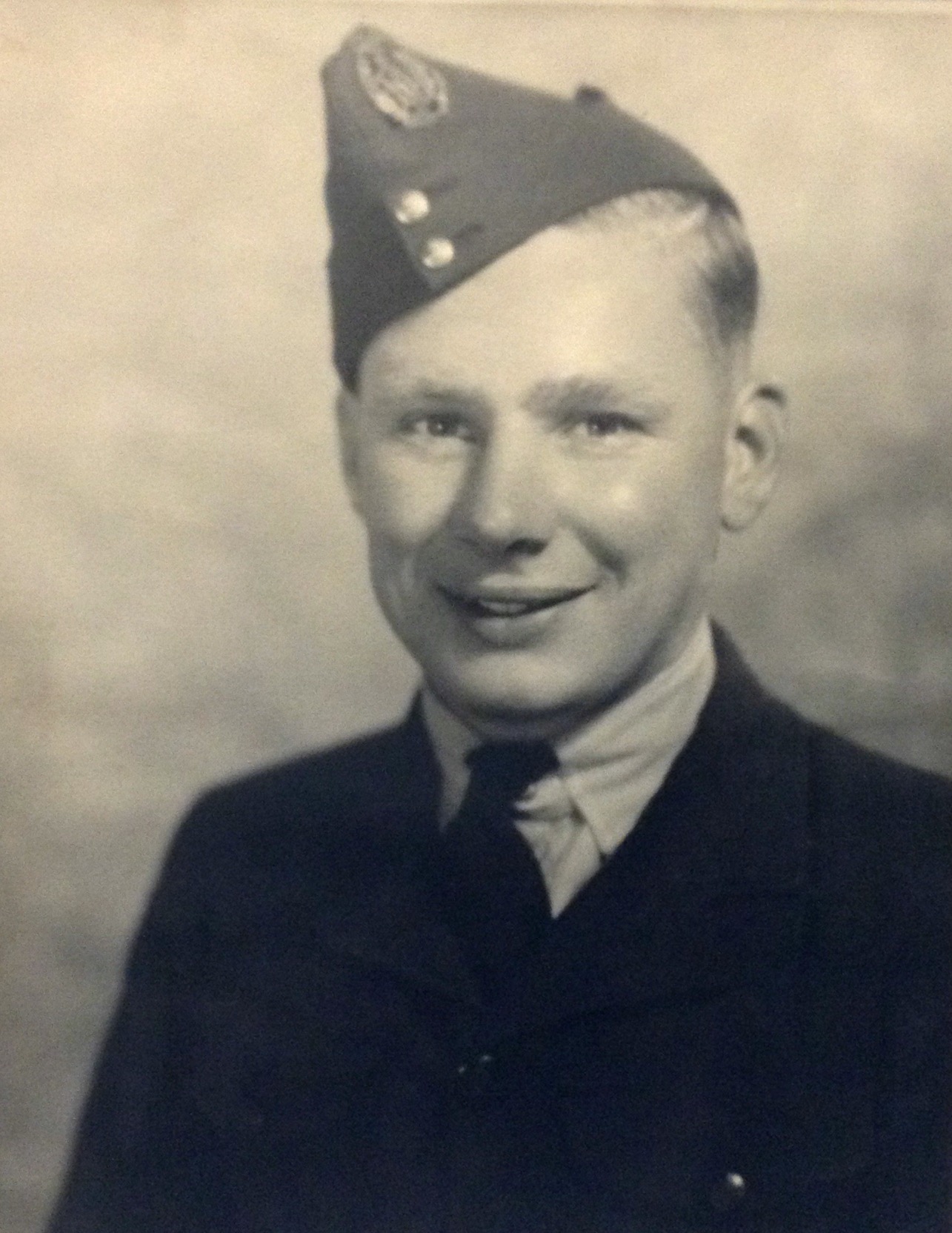
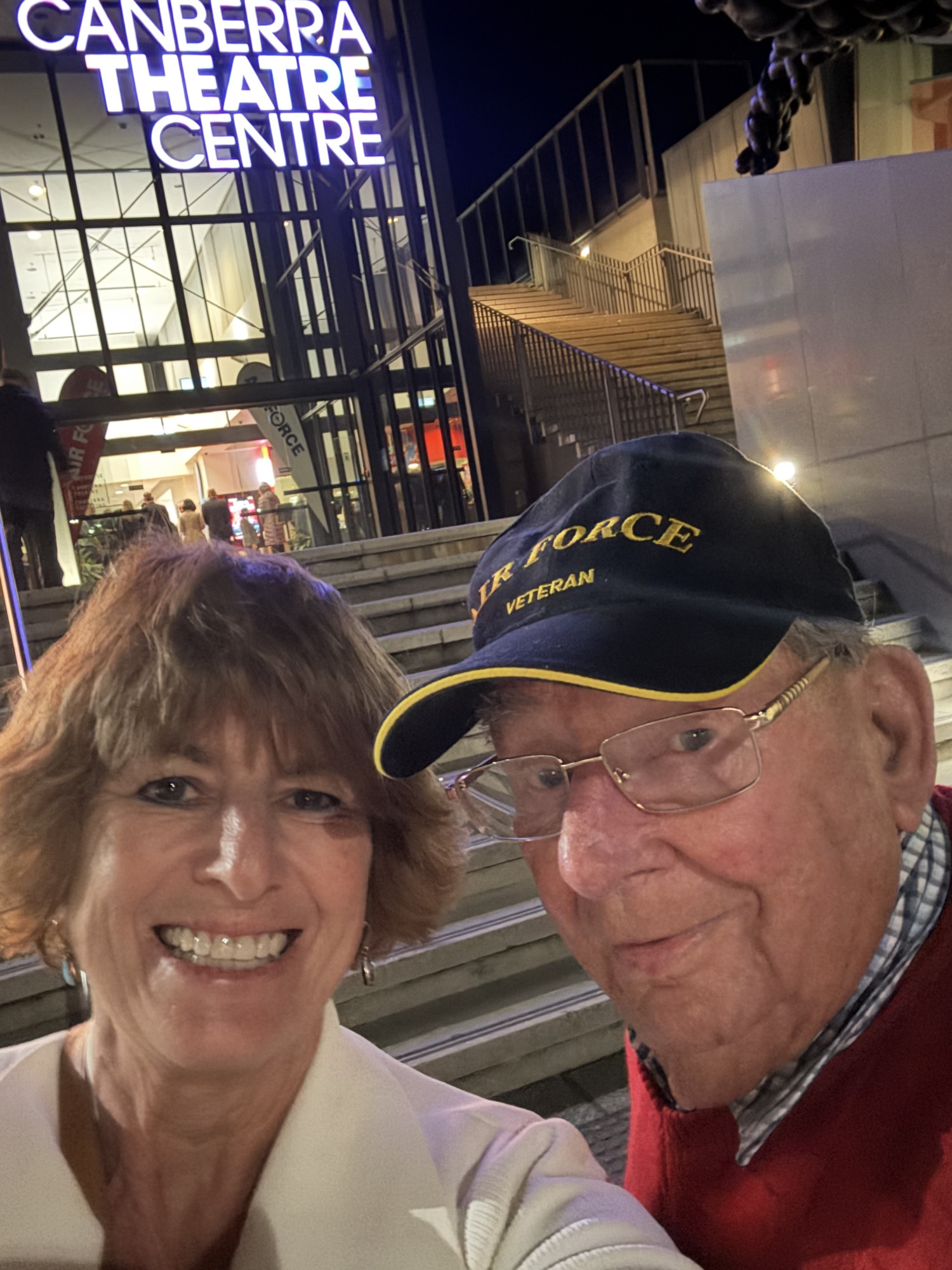
And then I joined the Air Force.
I wanted to be in the Navy
and me legal guardian,
Bert Huntley,
he joined the Air Force
and he said,
"“Well, you may as well join
the Air Force"
and be with me.”
After that, I never saw him
"until we went home
after the war."
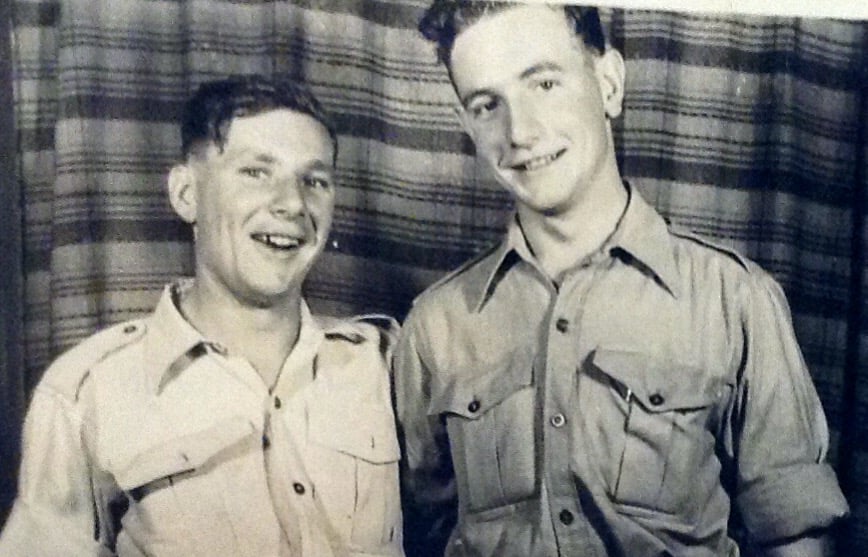
"I went to Shepparton
to do me rookies."
I got posted to Sale.
1 Bombing and Gunnery School.
And then there was a change
over to 1 AGS.
"And that was me
when I joined up."
I was Drogue Operator.
1500 hours flying
and two crash landings
and three false landings,
"A Drogue Operator
operating targets"
out of aircraft.
A drogue is a
windsock like a windsock
on an aerodrome.
But it's the same thing
only attached to the aircraft
by about 1800 feet of wire.
Other aircraft used to shoot
at the targets
with different colored bullets
and that’s how we knew
who hit what when.
Some aircrafts had winches on them
to rewind the target,
wind them in
and cut the targets off
in the dropping area.
Other aircraft
didn't have the winches.
You had to let it go, the
wire and the target.
While I was flying,
see you got extra two pounds nine
See there?
Yeah, that extra,
that was for flying
but you've got to fly for 20 minutes
before you got your money
for your flying.
One morning,
we get out there early
"before the other
aircraft come out, "
and here's a Japanese sub.
Beached itself on the sand.
"So we had no rifles
or anything with us. "
We just had...
I had a fairy pistol
with three shots
and lead weights.
So I dropped them on them
and fired the fairy pistol
and after about 20 minutes
it backed off,
and that was the last we saw of it.
The OTU,
Operational Training Unit,
was supposed to be ready
to do anything like that,
and took them out over
half an hour to get out there.
By that time
the submarine had gone.
That's one they missed.
Very badly.
End of the Second World War
in the Pacific
and it was very good news.
That's a discharge from Laverton.
the 1st of April 1946.
Got an aptitude test on the way out
of getting discharged
"and they told me
I was good for a bricklayer"
but there was a two year
wait to get into the course.
So I said, oh, well,
I want a job outside.
I didn't want to go back inside.
They told me there was a job
at Cheltenham, where I lived.
"A job as a jockey
for a milk transport."
Two years later
I was the formeman of
the milk transport.
I was there for 22 years
as a foreman.
I had a girlfriend at the time,
so we decided to get married
and we looked after eight boys.
I had a boys’ room,
but it was a hard job for me wife.
I hit a train head on
with a milk truck
and tipped over two milk trucks.
It was bad maintenance
on the trucks.
I told the boss’ brother
I had no brakes and he said,
"“Oh, can't do
anything about it.”"
"He said,
“Just take it easy tomorrow.”"
"I didn't even get to
the first farm."
"I got to the first
railway crossing"
and hit a train.
"That’s after the war,
when I come back."
I'd be 22 there.
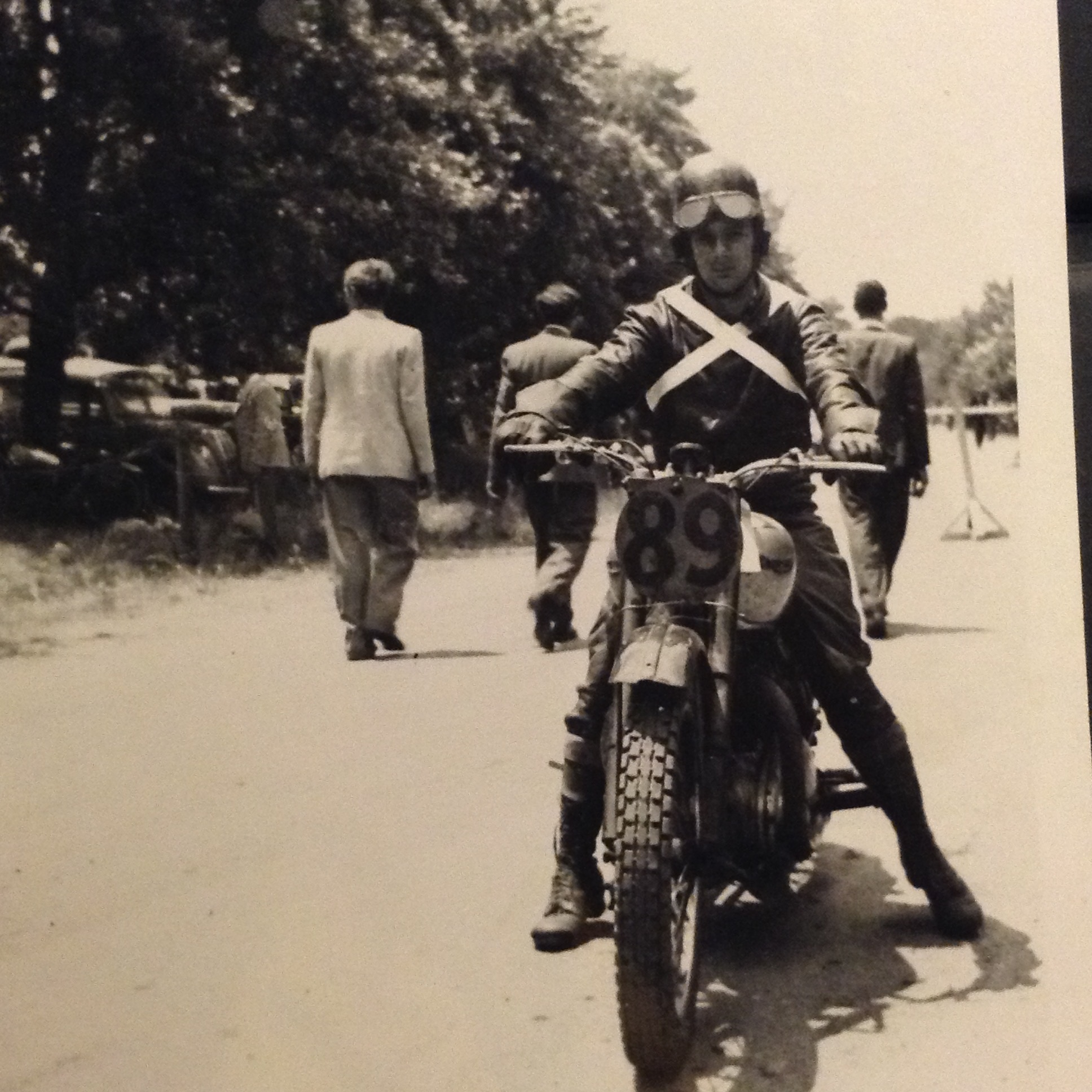
When I was younger,
I was a bit of a speedster.
I used to race motorbikes.
I loved sport.
I joined
the Victorian Speedboat Club
Then I joined the Pony Club.
President of the Corringle
Pony Club, until I joined the
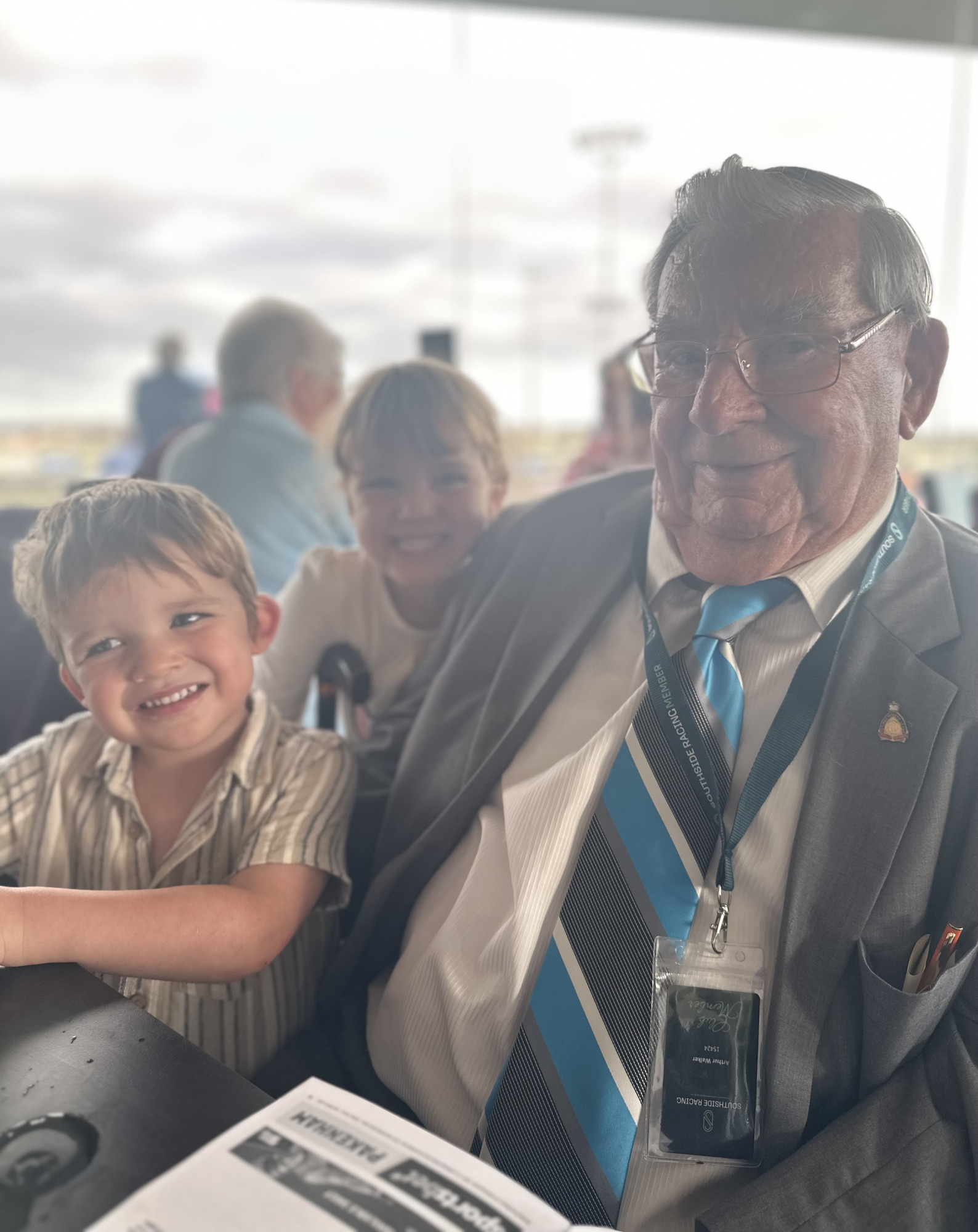
Racing Club
and still in it.
Thank God.
Nancy.
She was me first wife
and we had two girls,
Annette and Leanne.
And they both wanted horses
so we had to move to Pearcedale.
Then the kids got jobs
elsewhere and moved away from home.
So, we moved down to Tooradin,
and then me wife
had a stroke and died.
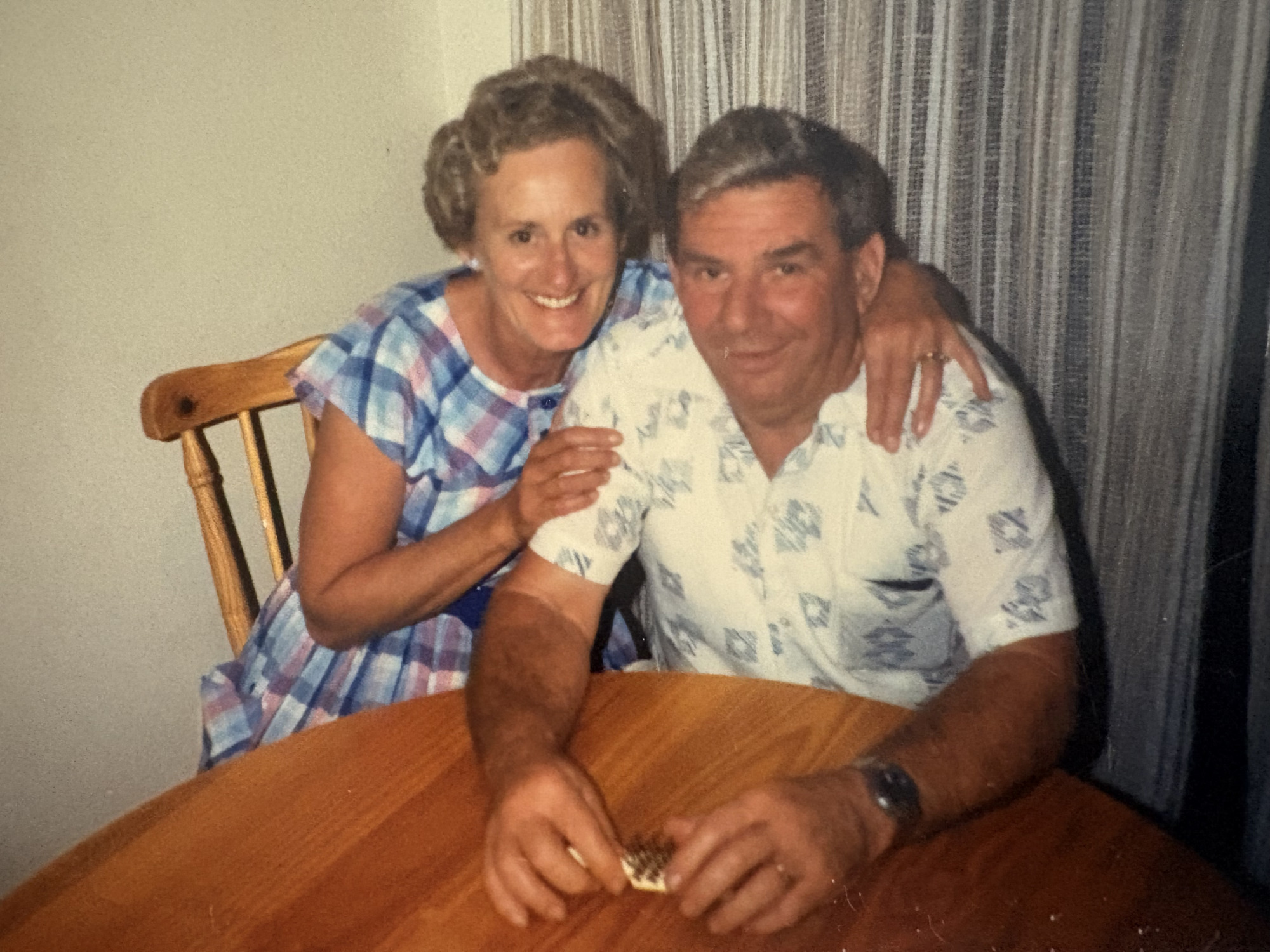
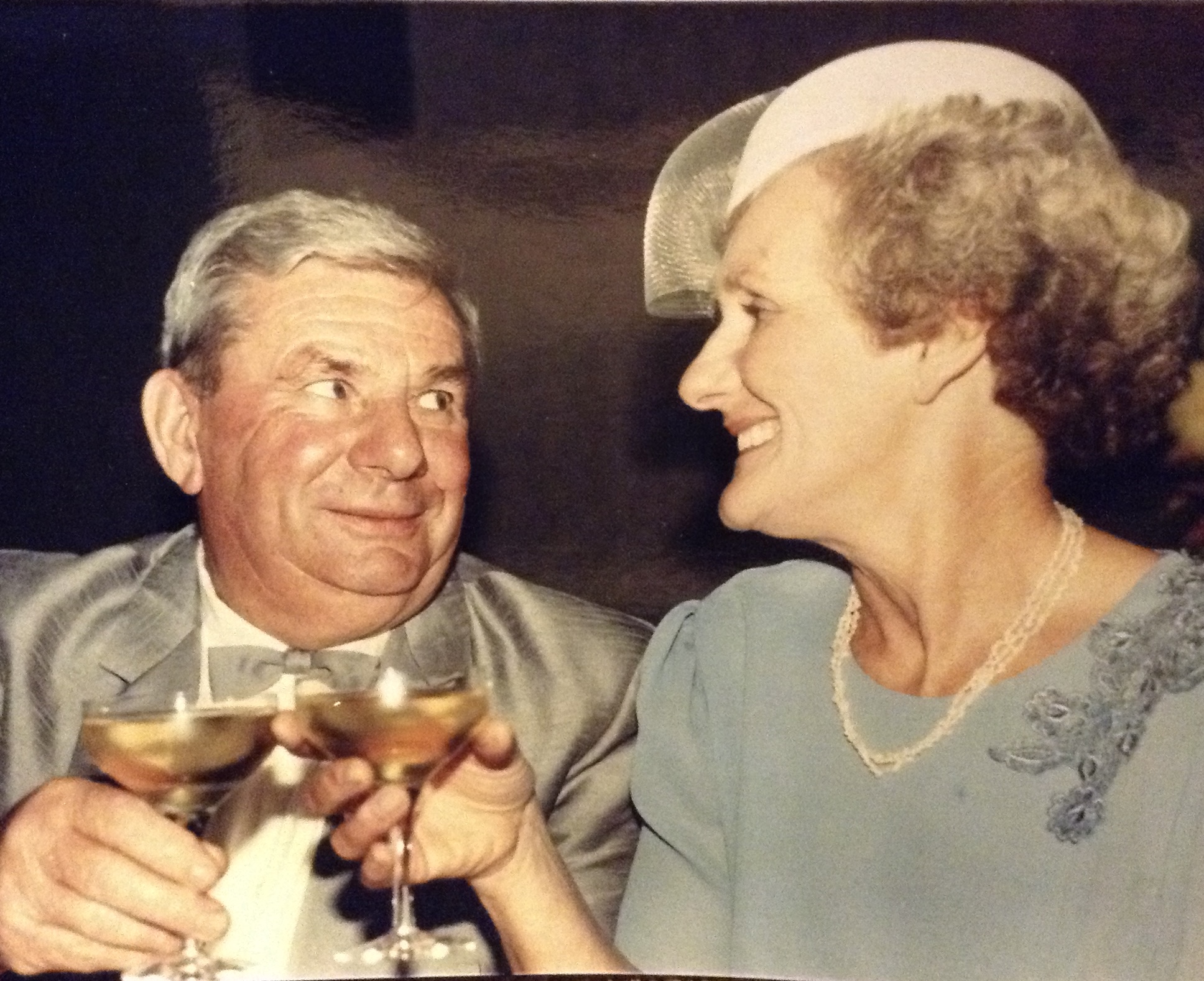
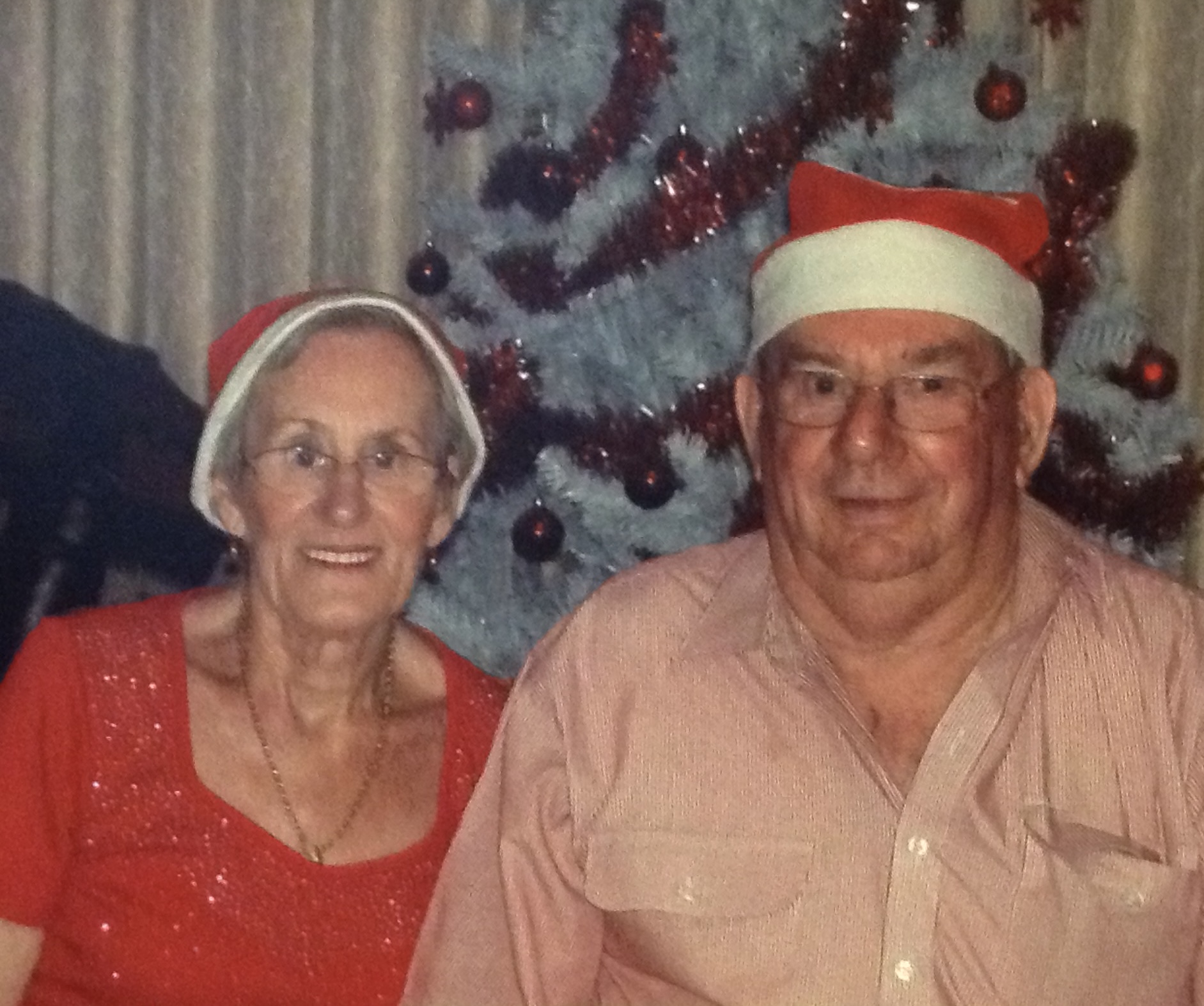
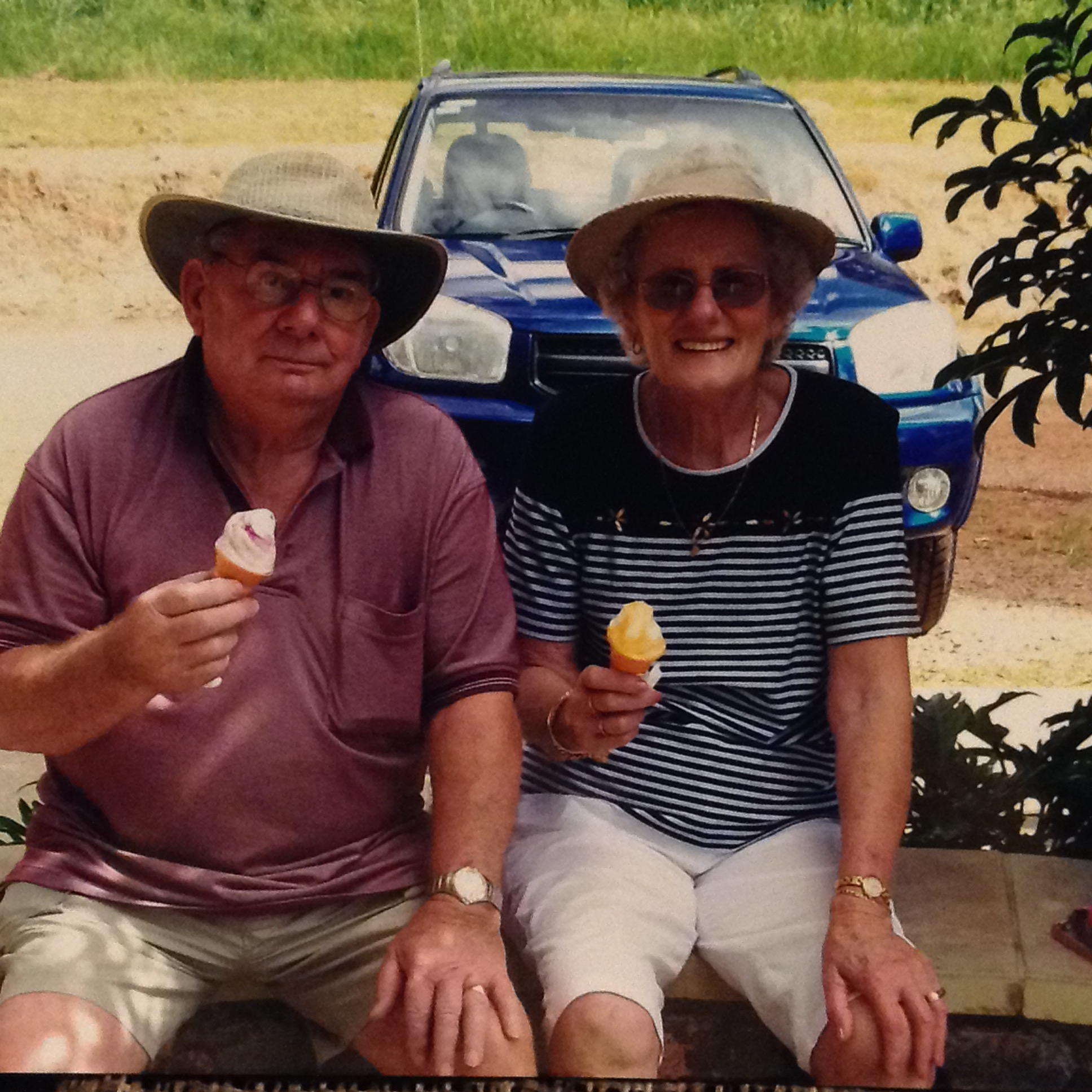
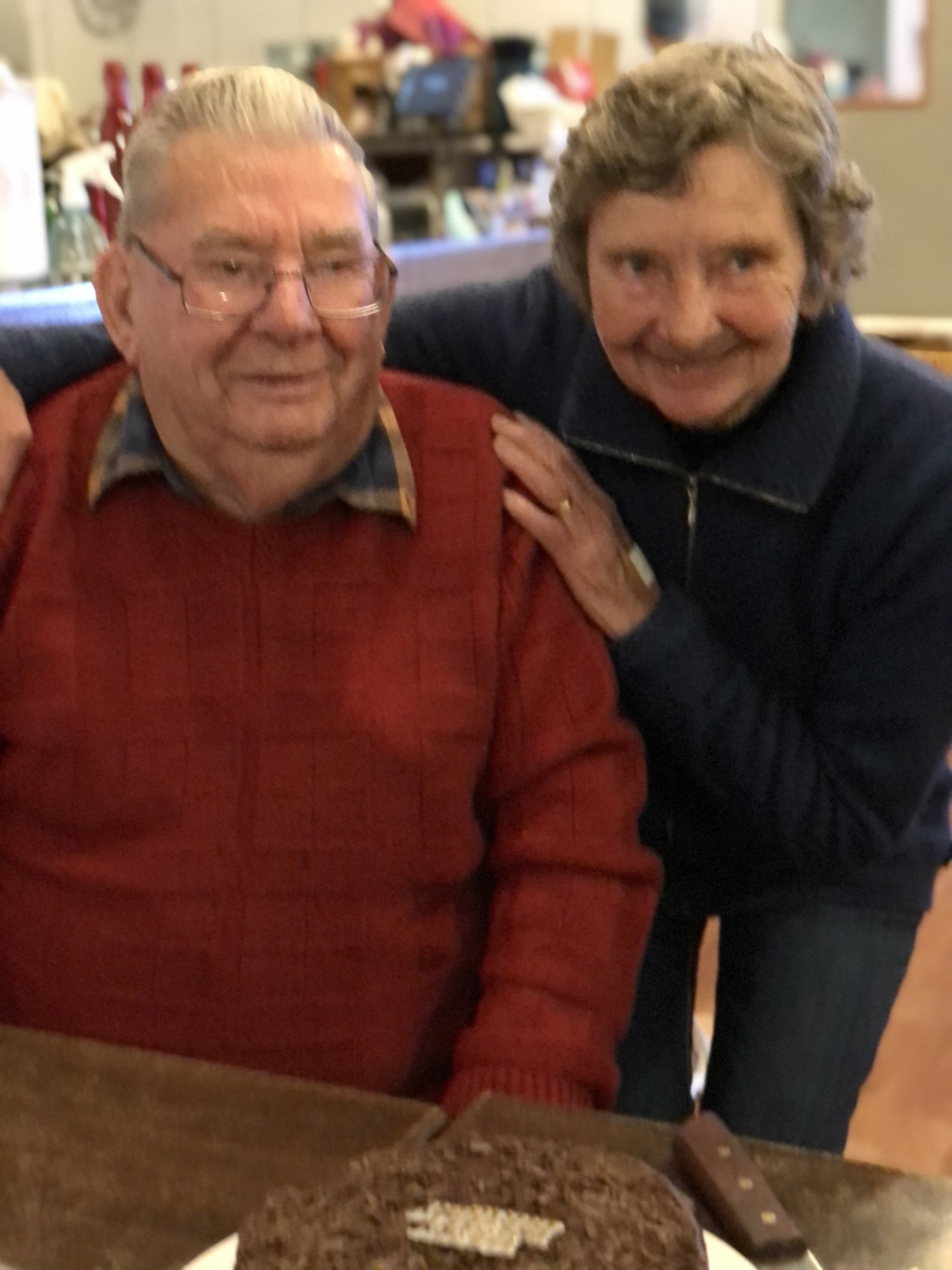
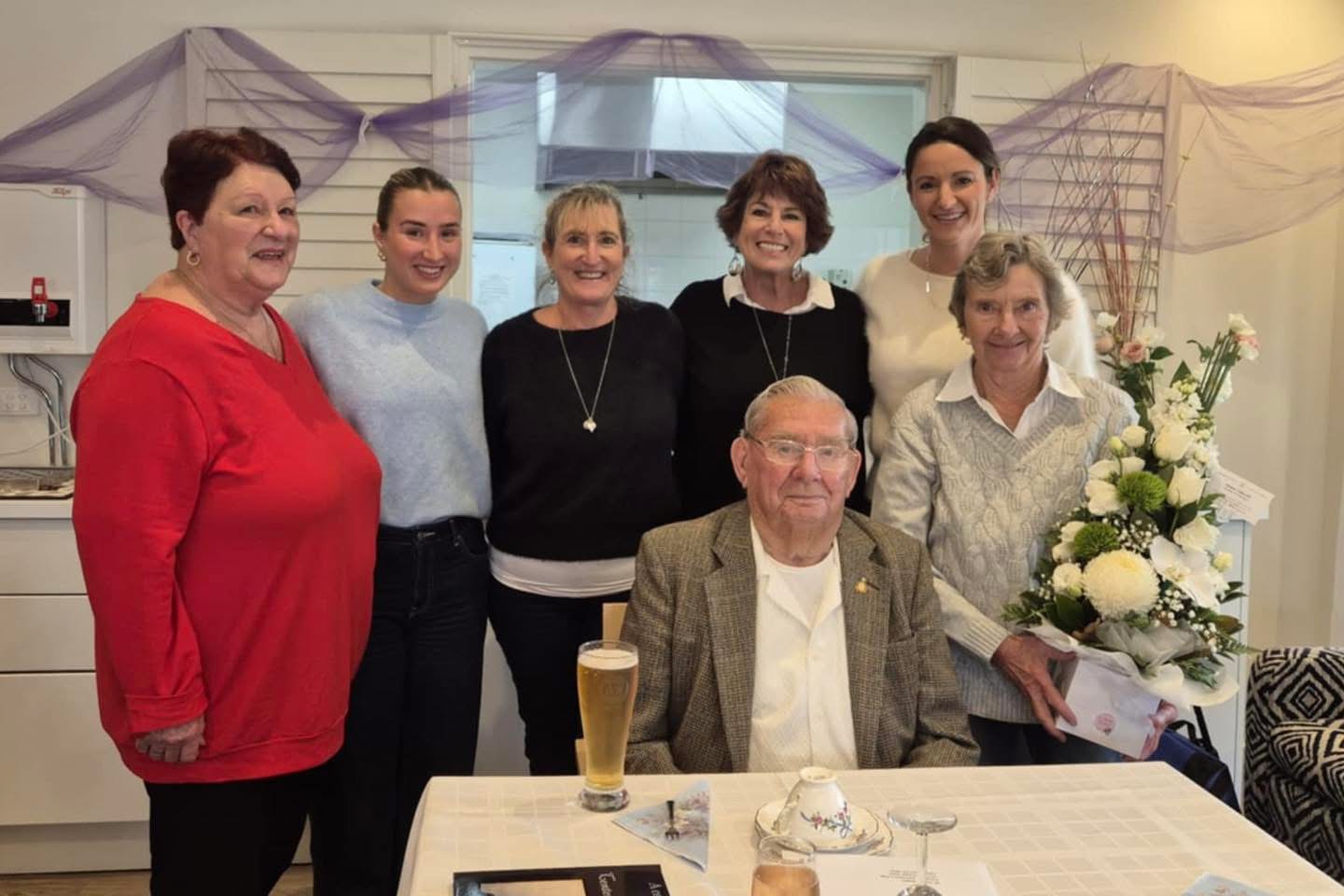
And I met my new wife
some time later
at the Tooradin Sports Club.
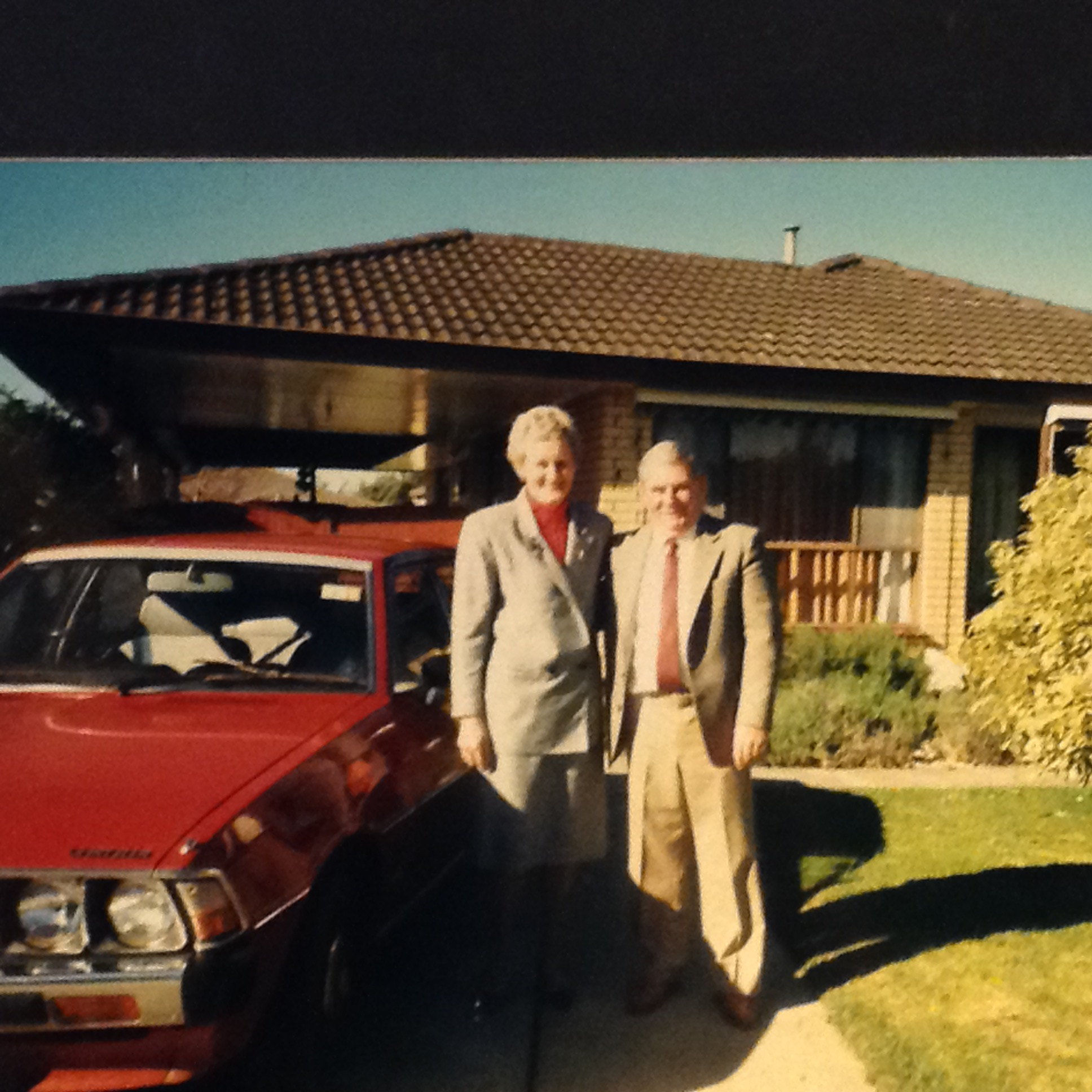
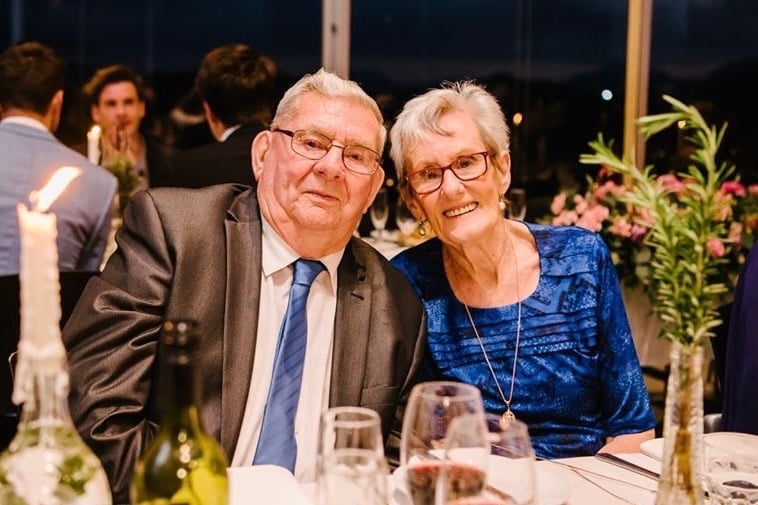
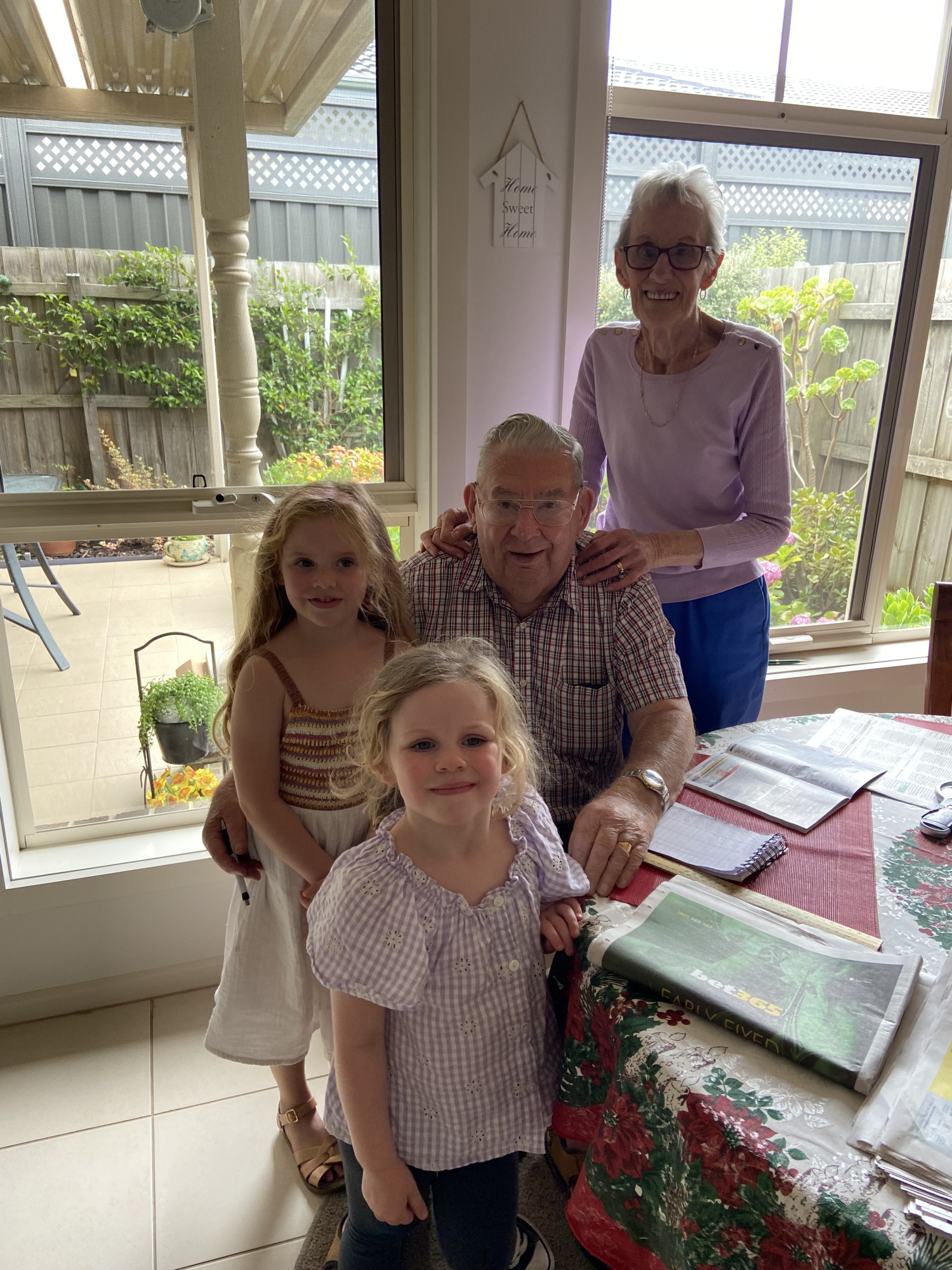
Her name, Shirley Gargan.
"That's the biggest change
I’ve had in my life."
"Which is the best thing
that ever happened to me."
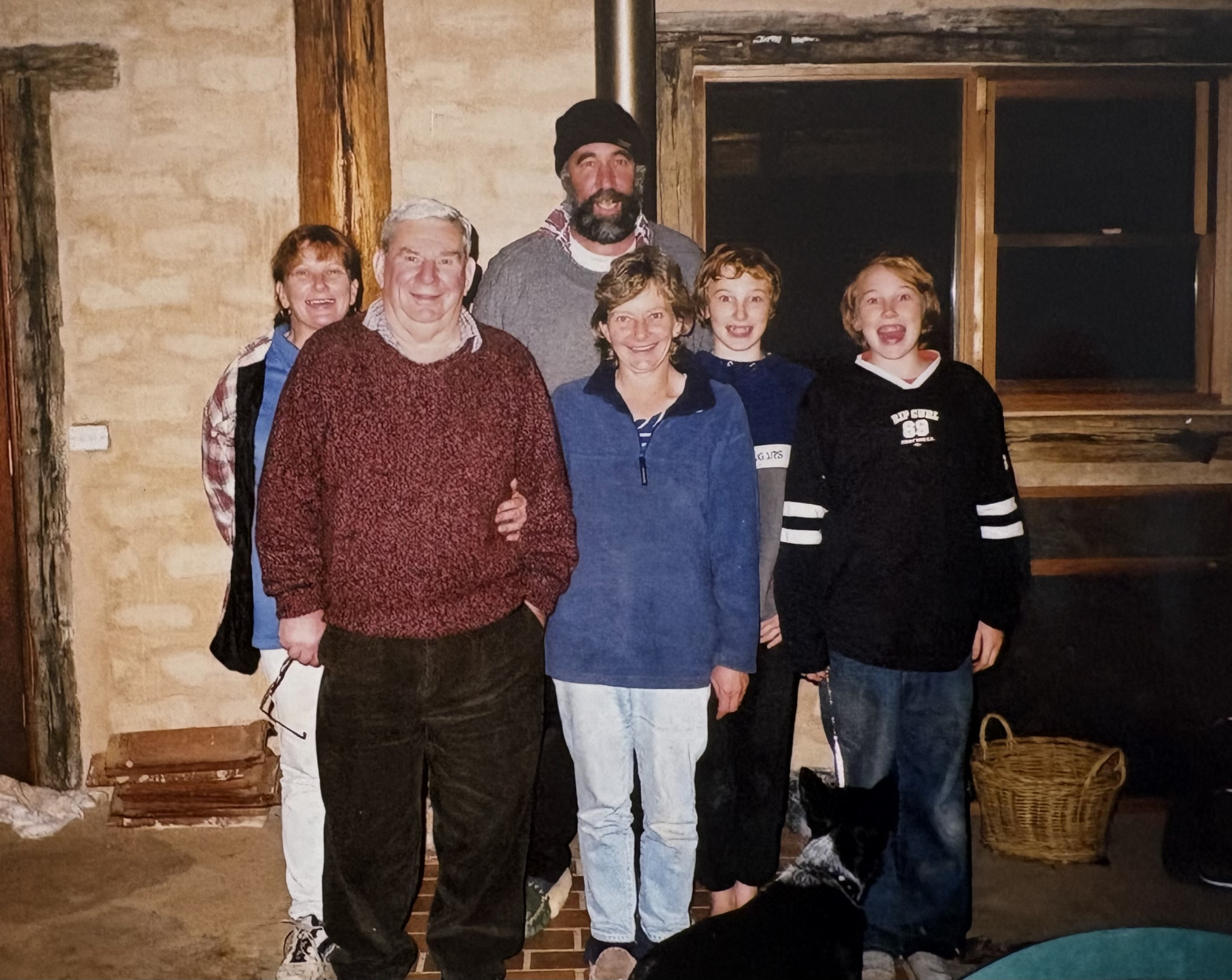
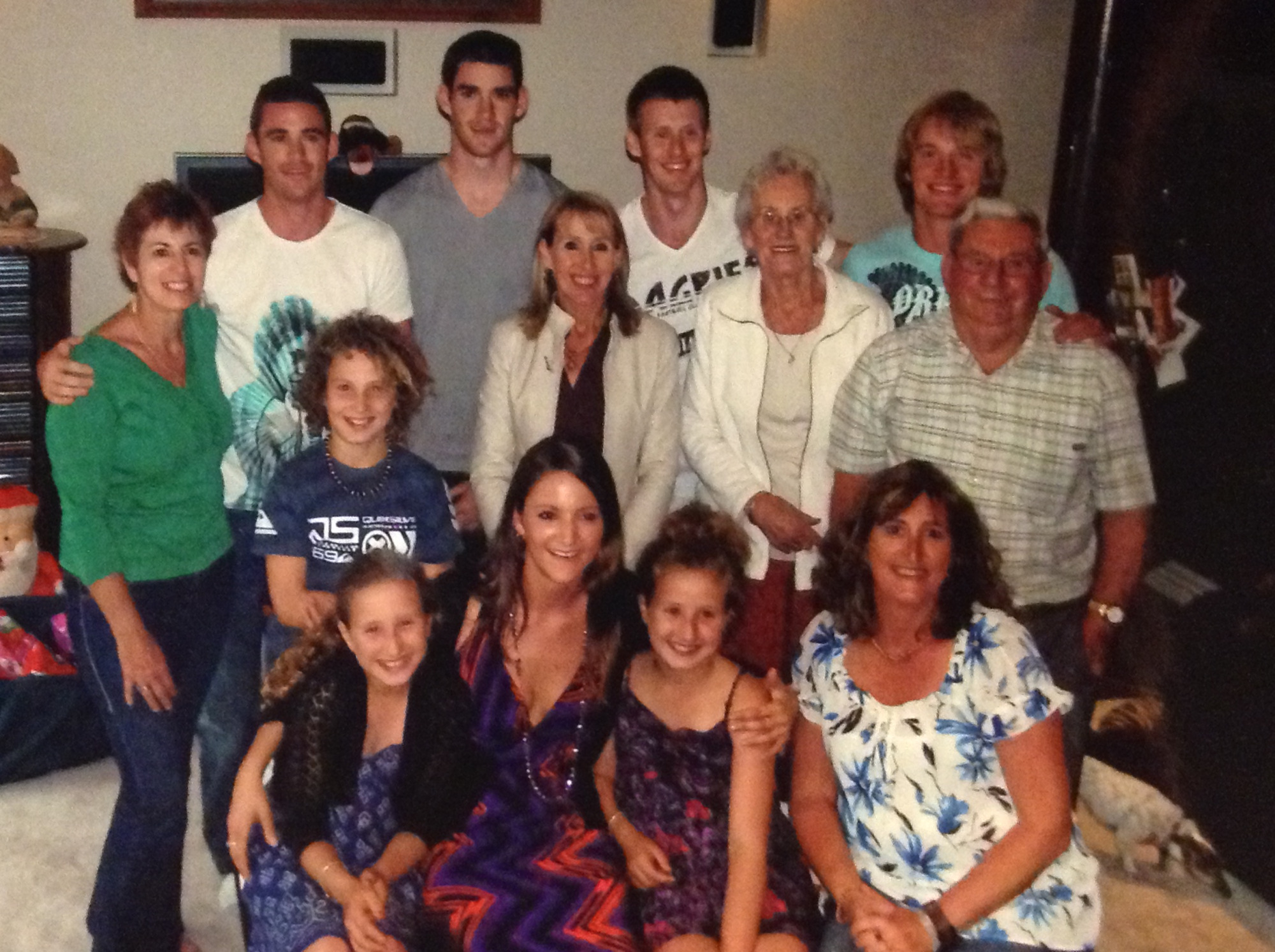
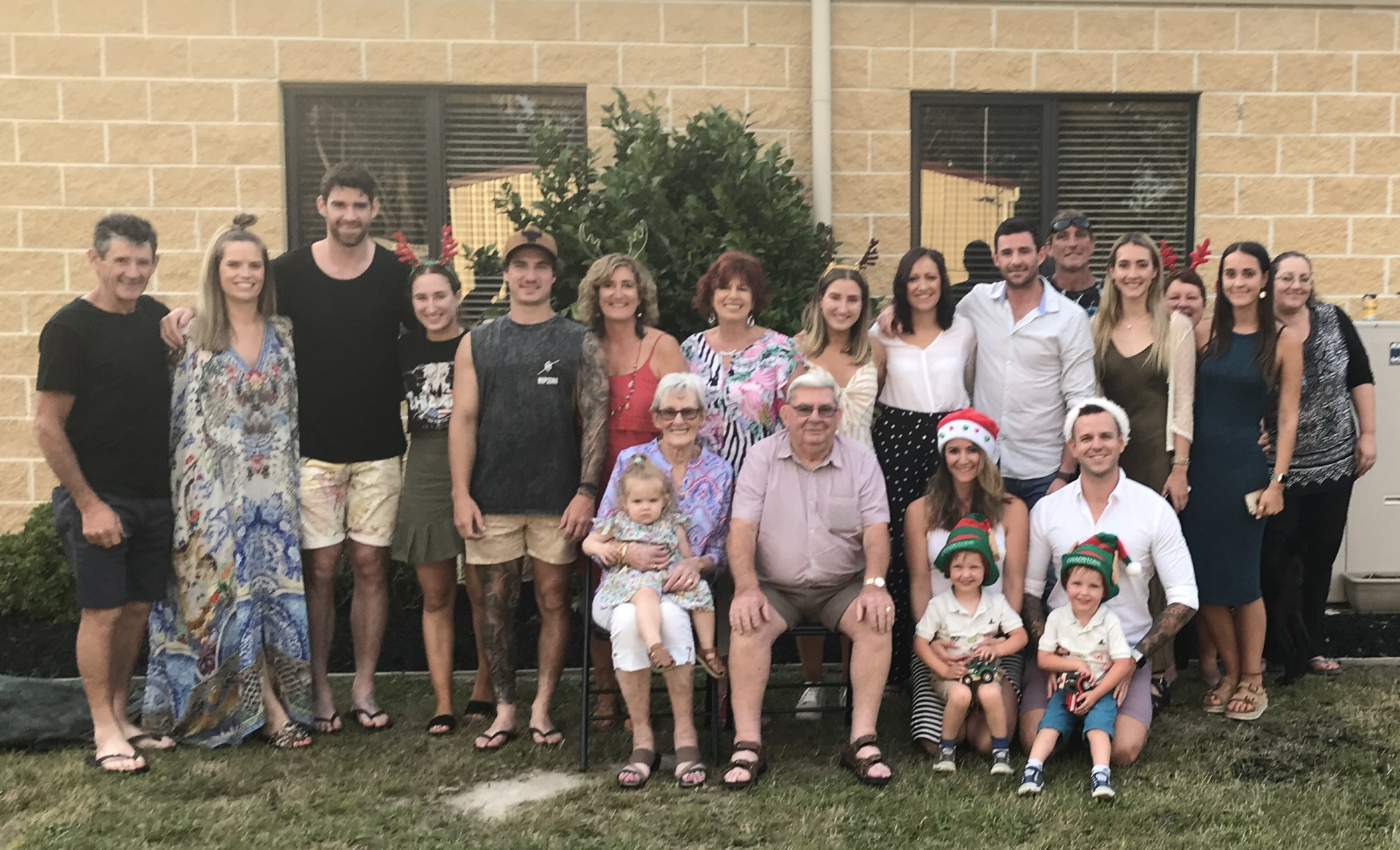
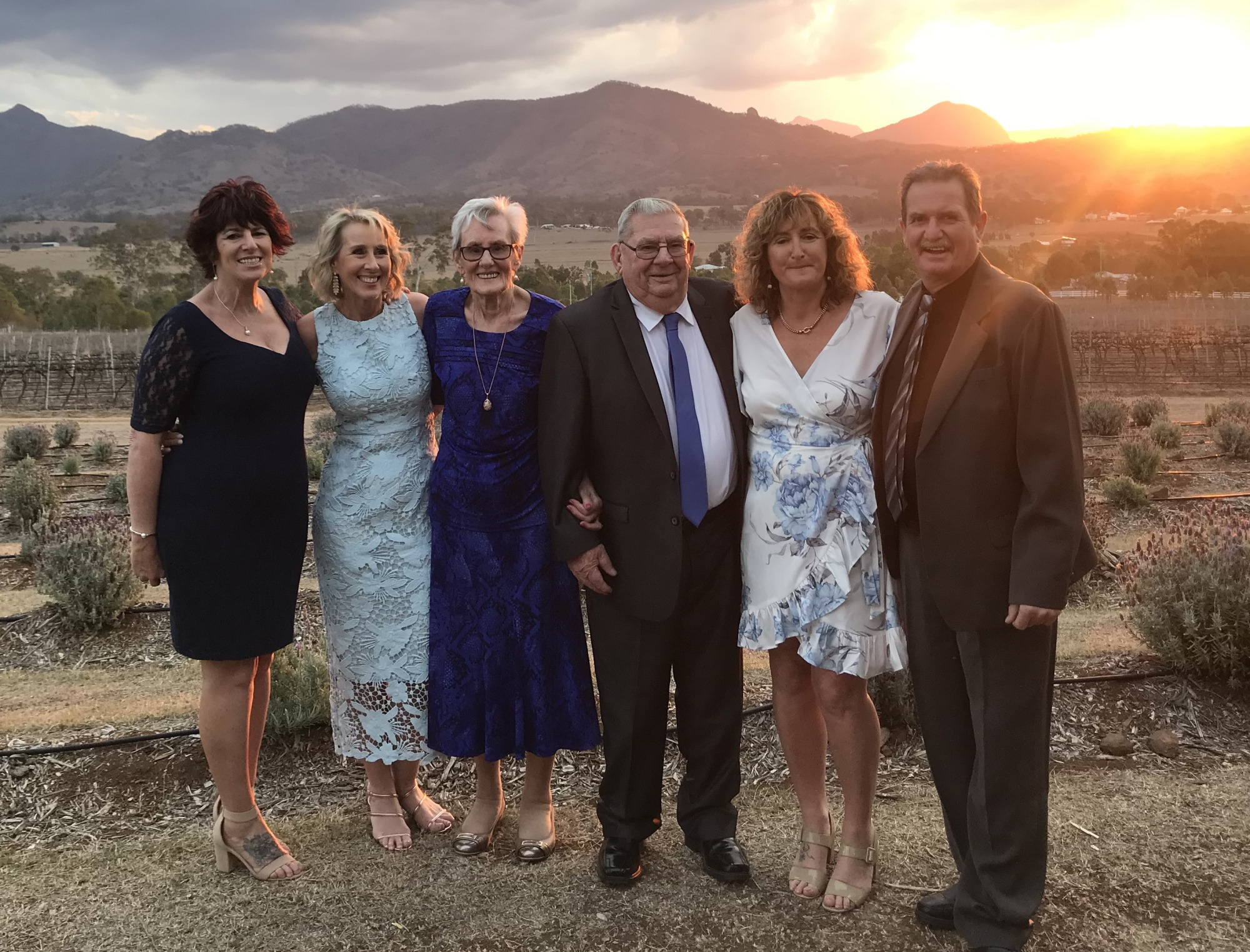
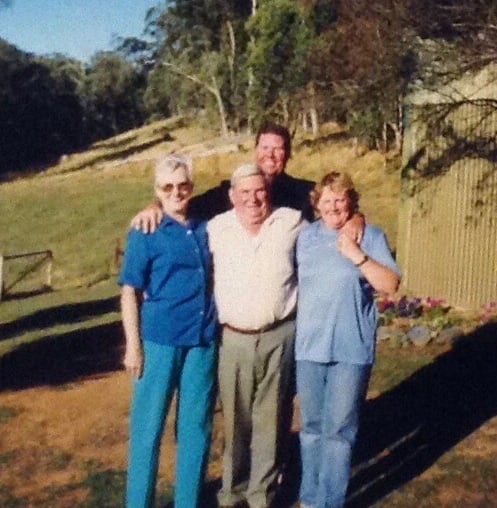
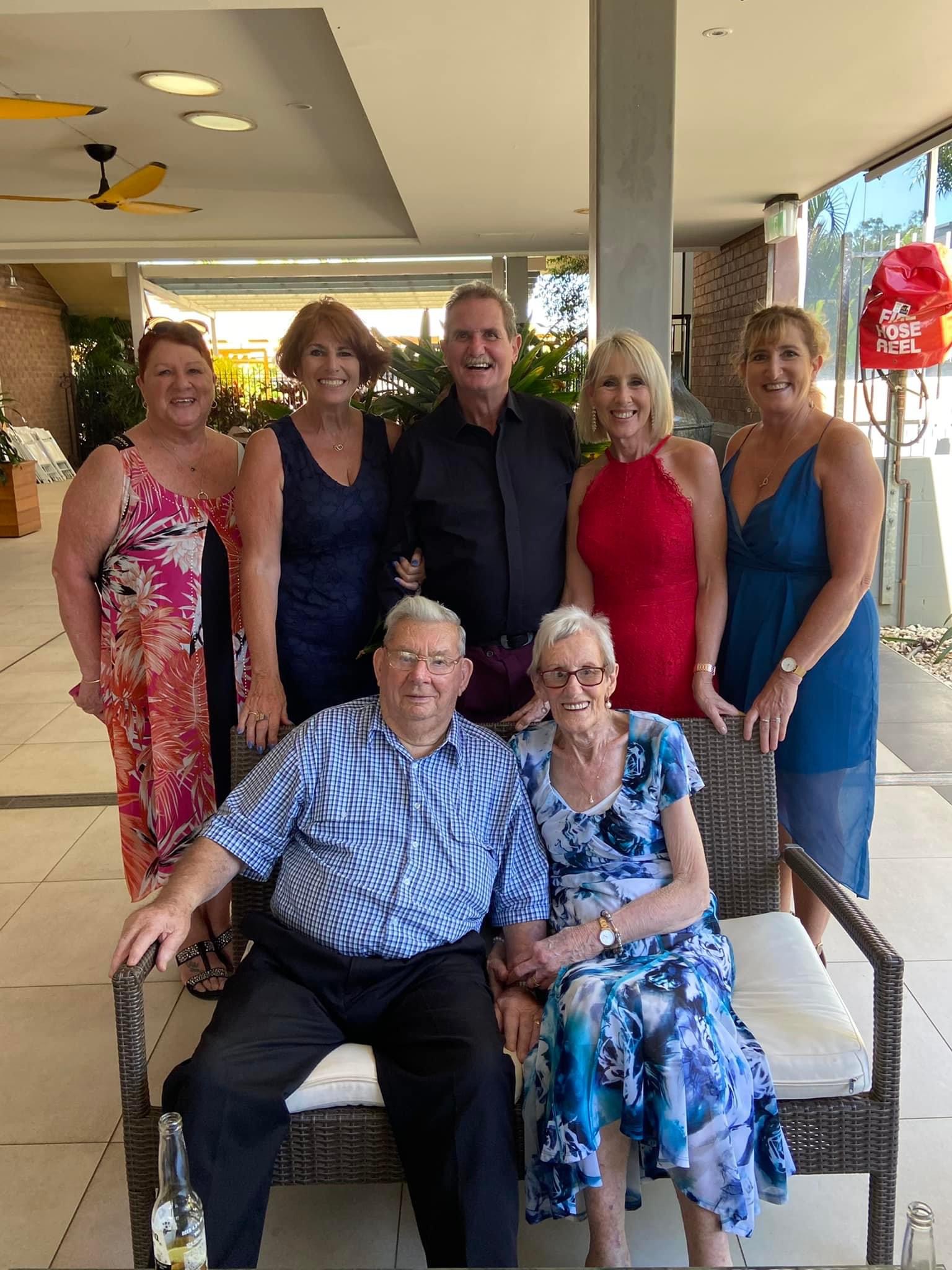
We picked up four kids.
A boy and three girls.
So now I've got five girls
and one boy.
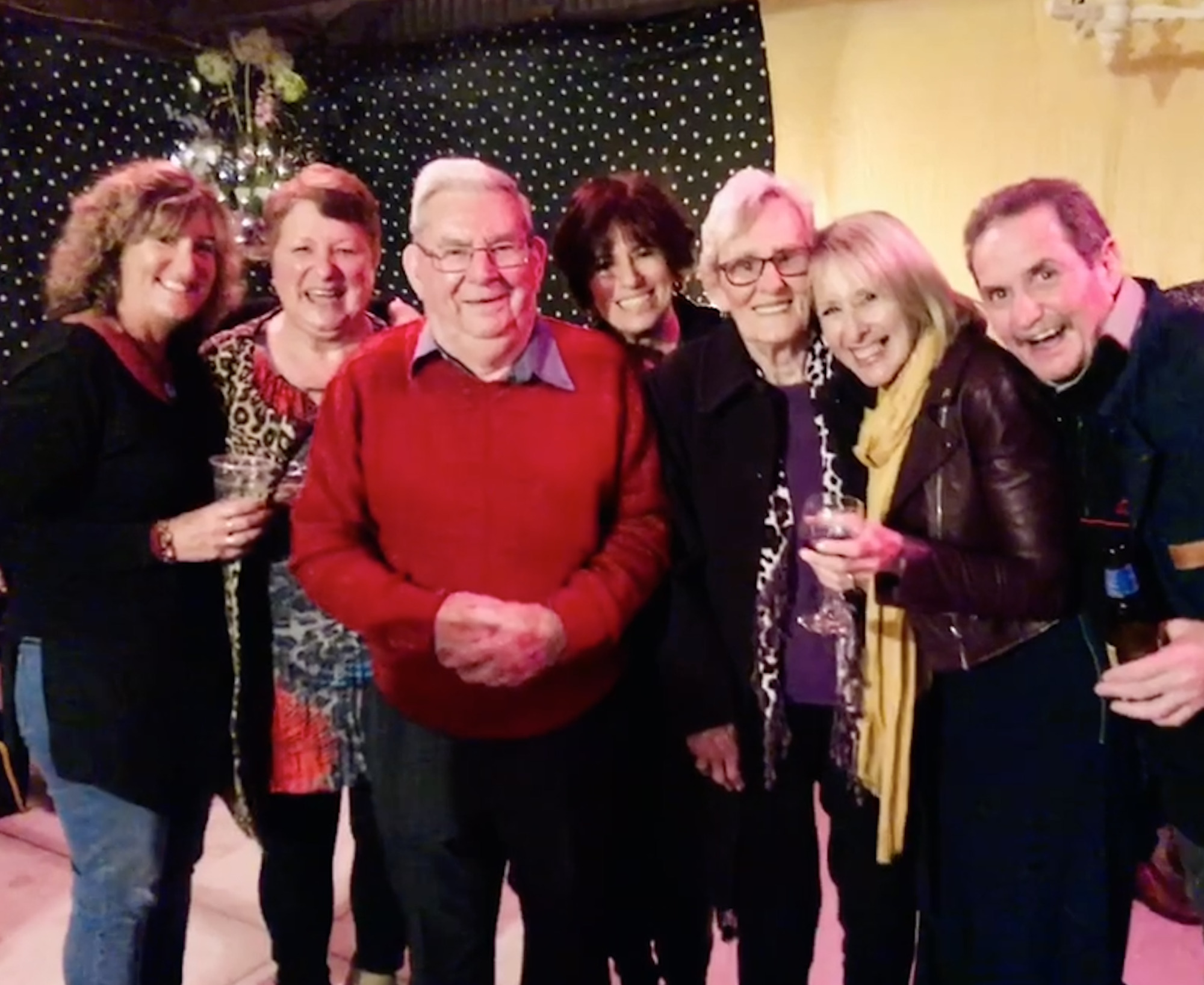
And we all love each other.
They get on very, very well.
Blended family.
Very nice.
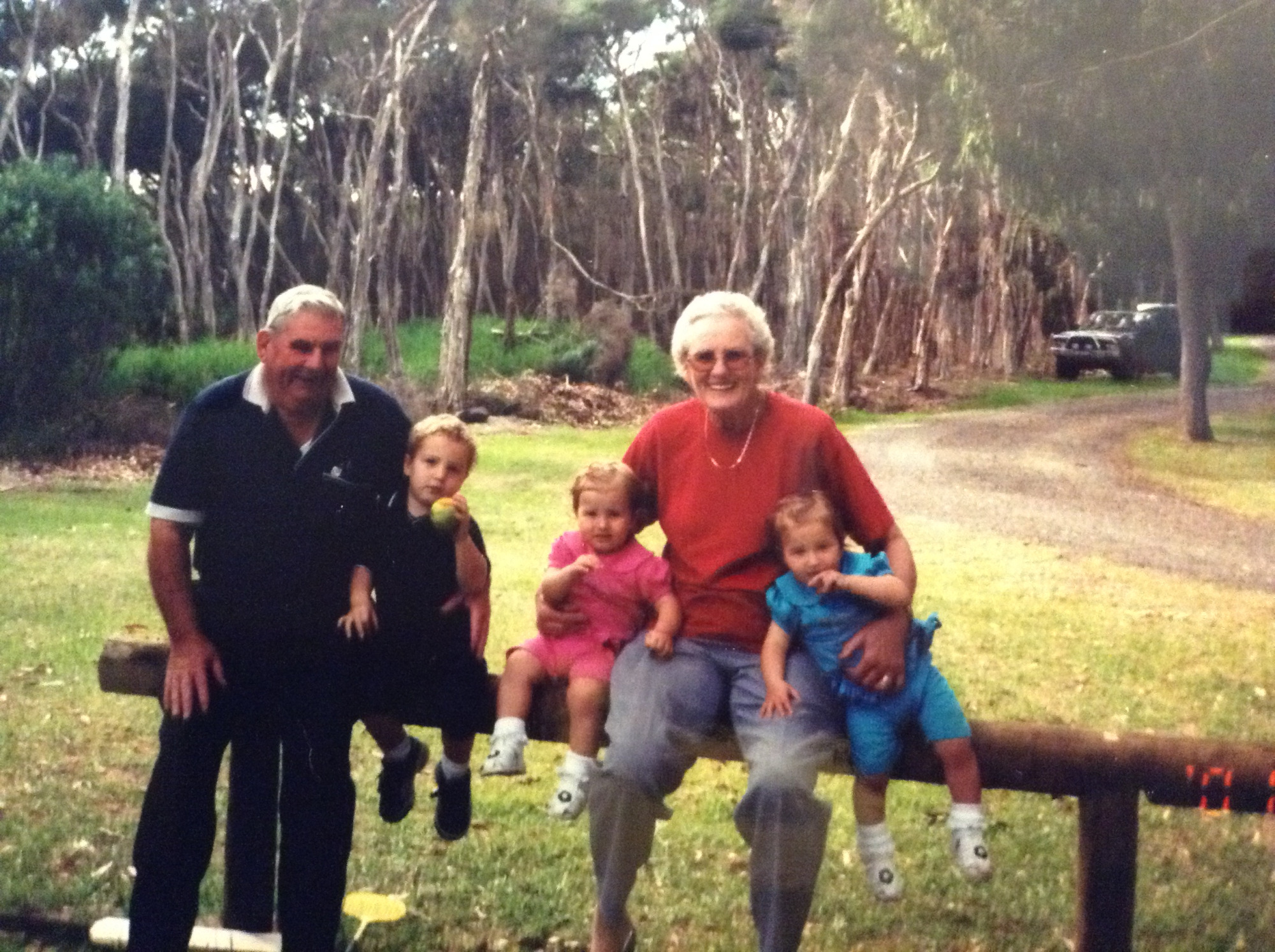
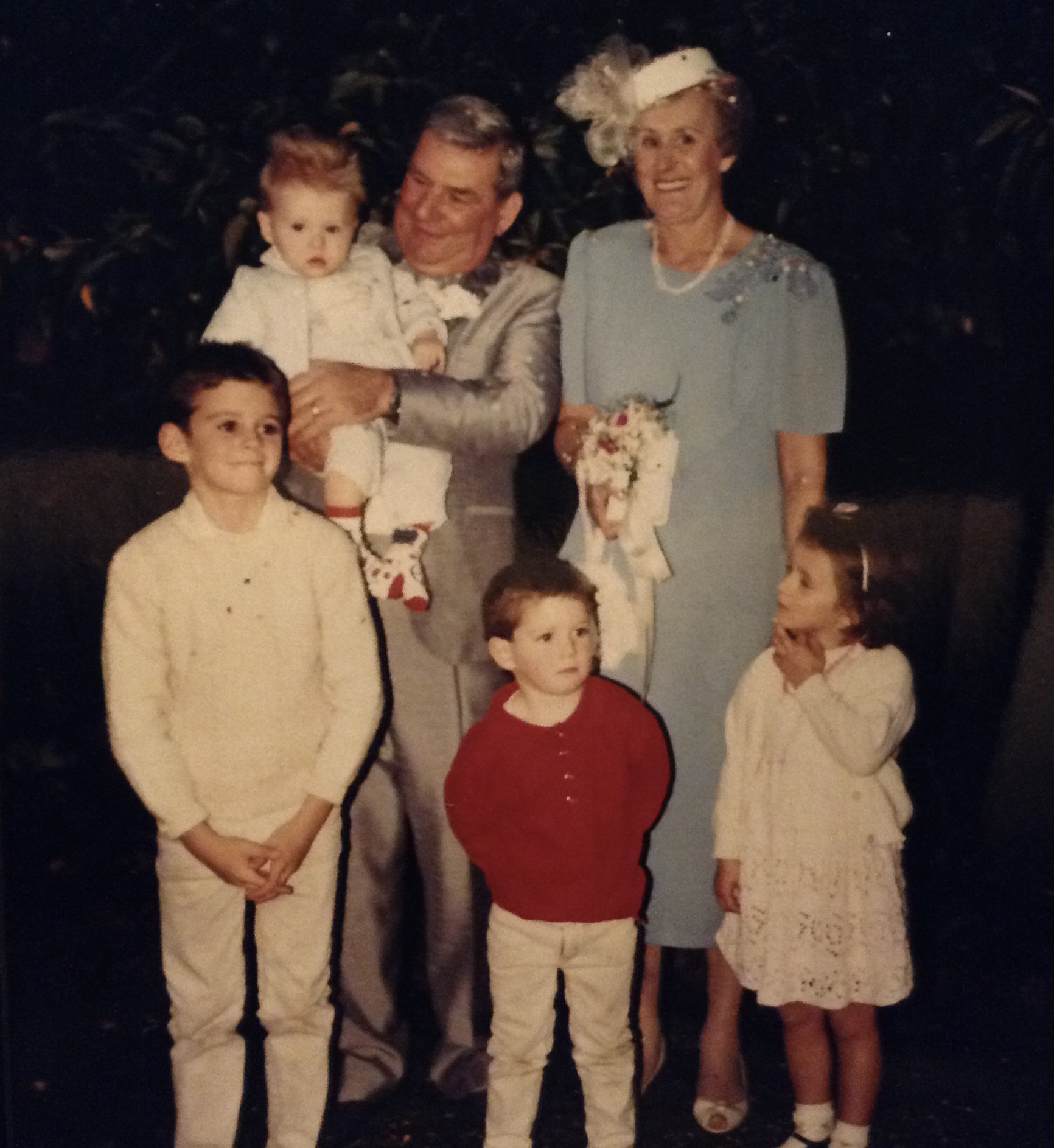
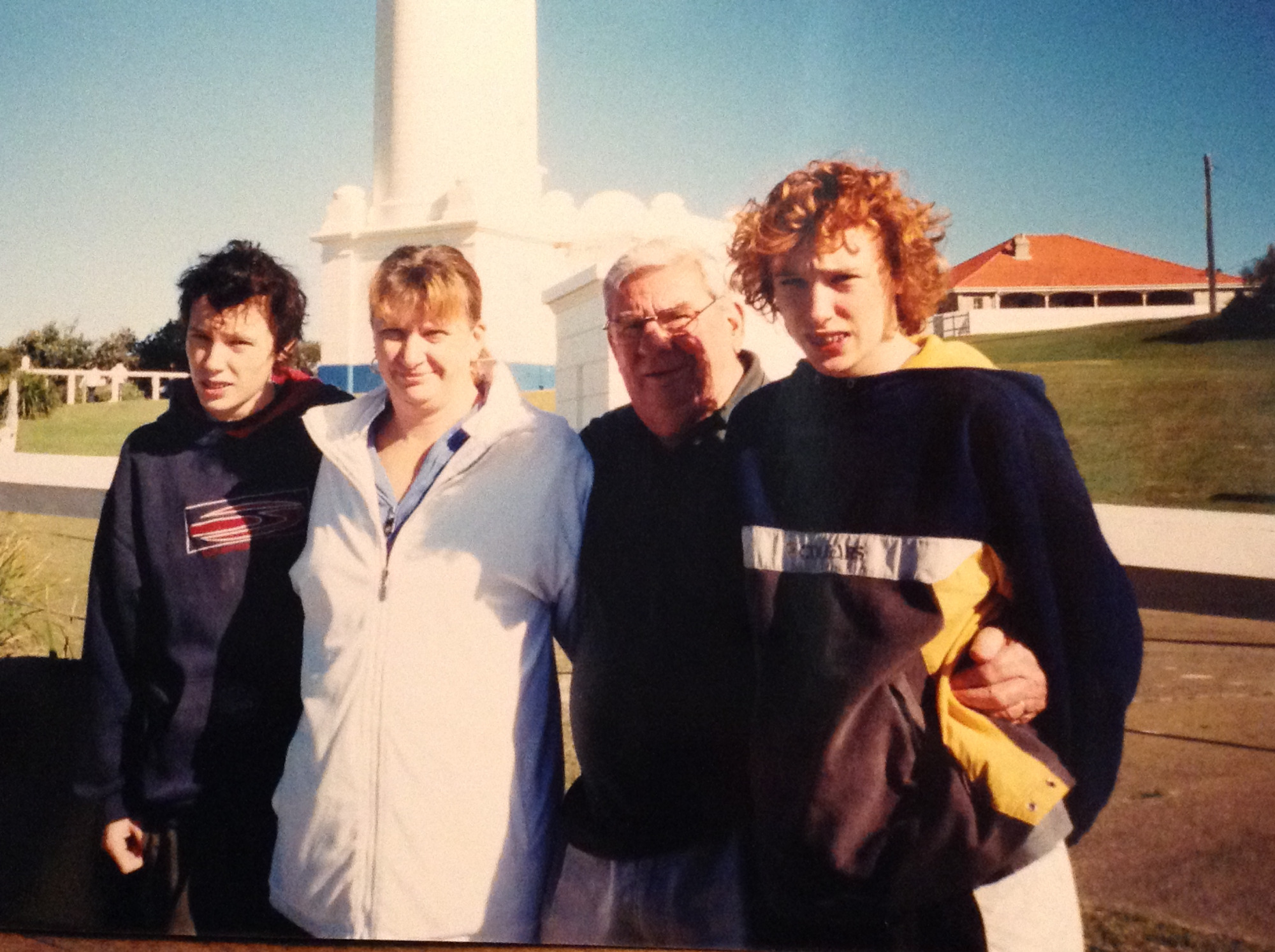
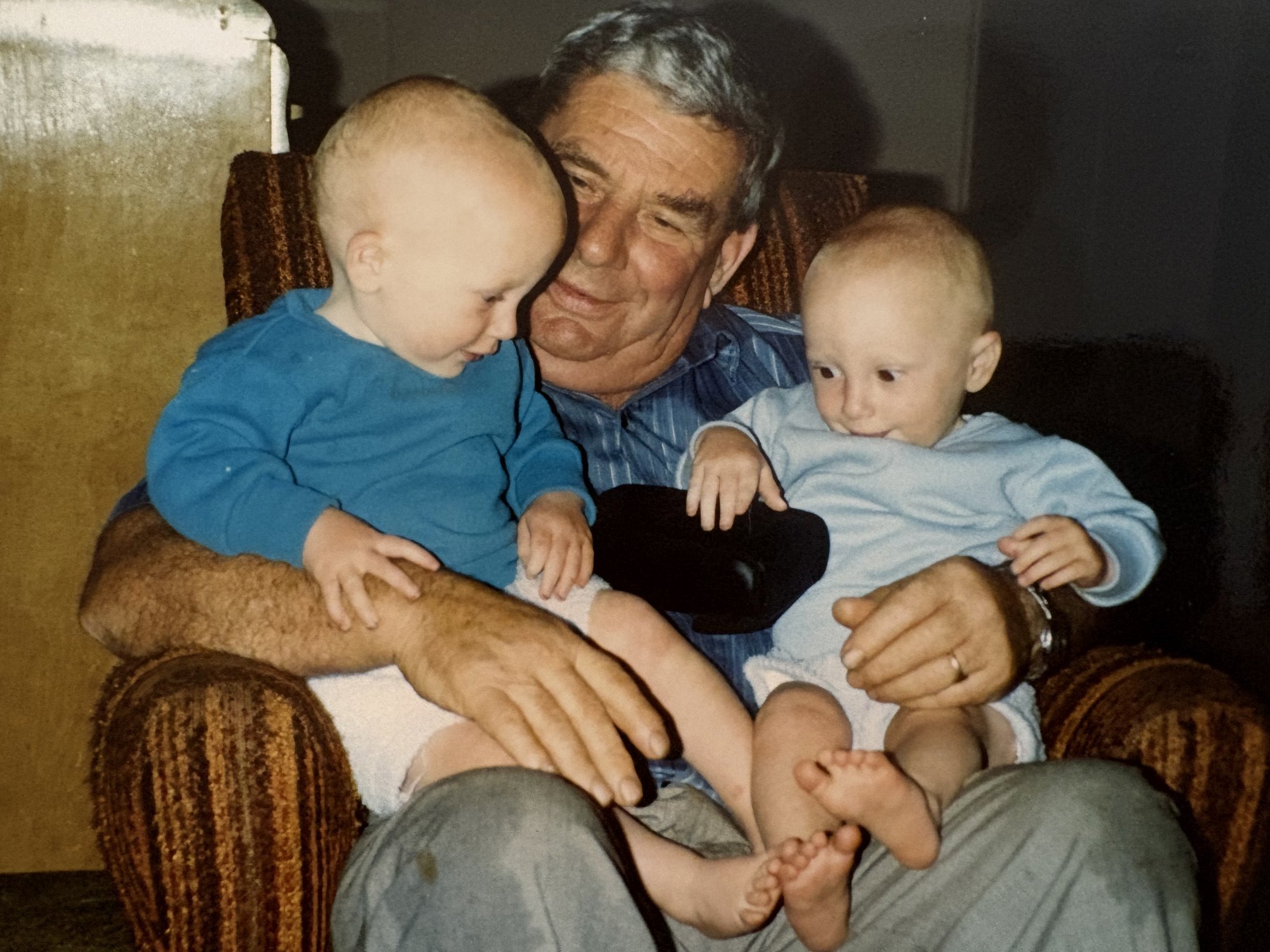
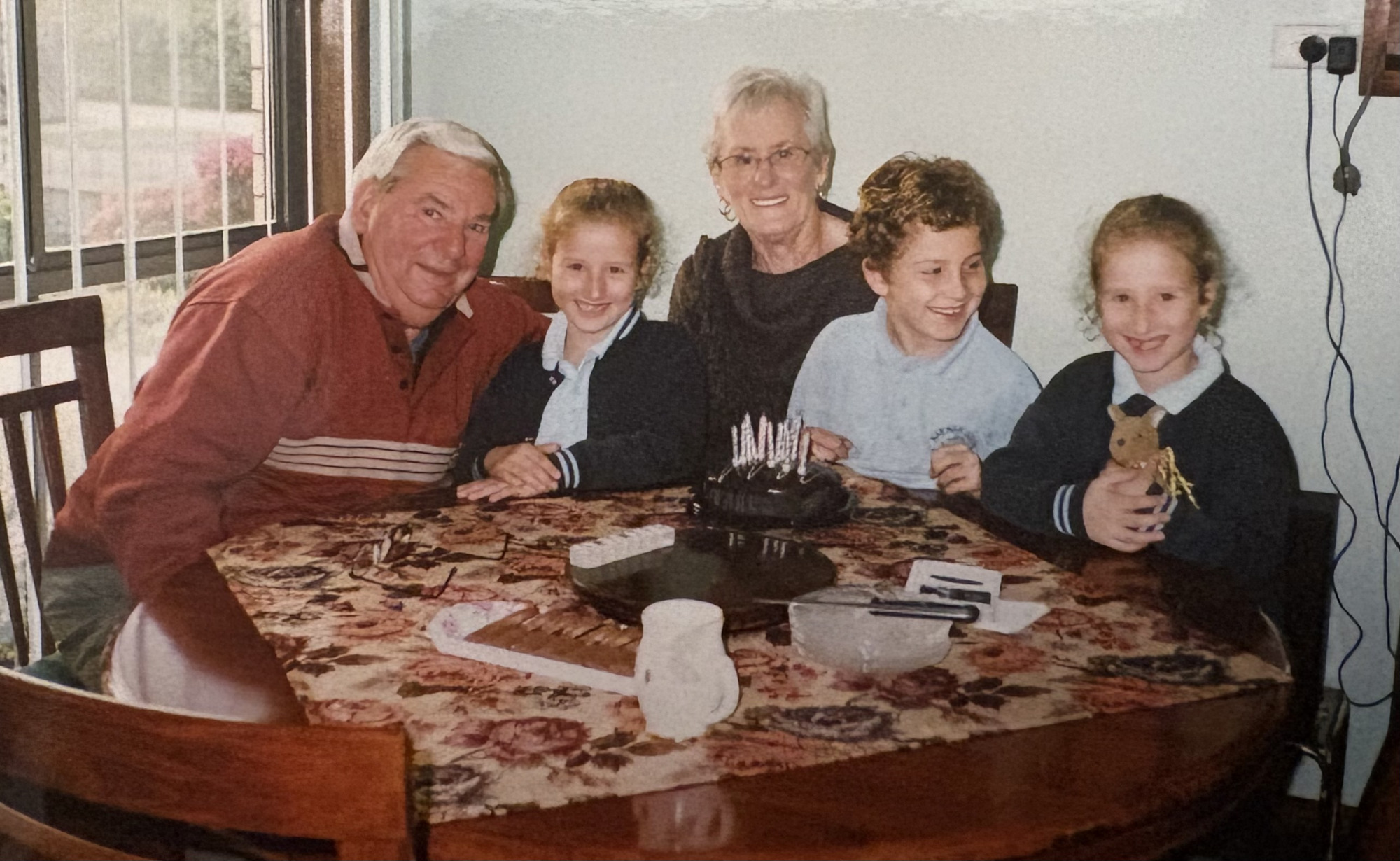
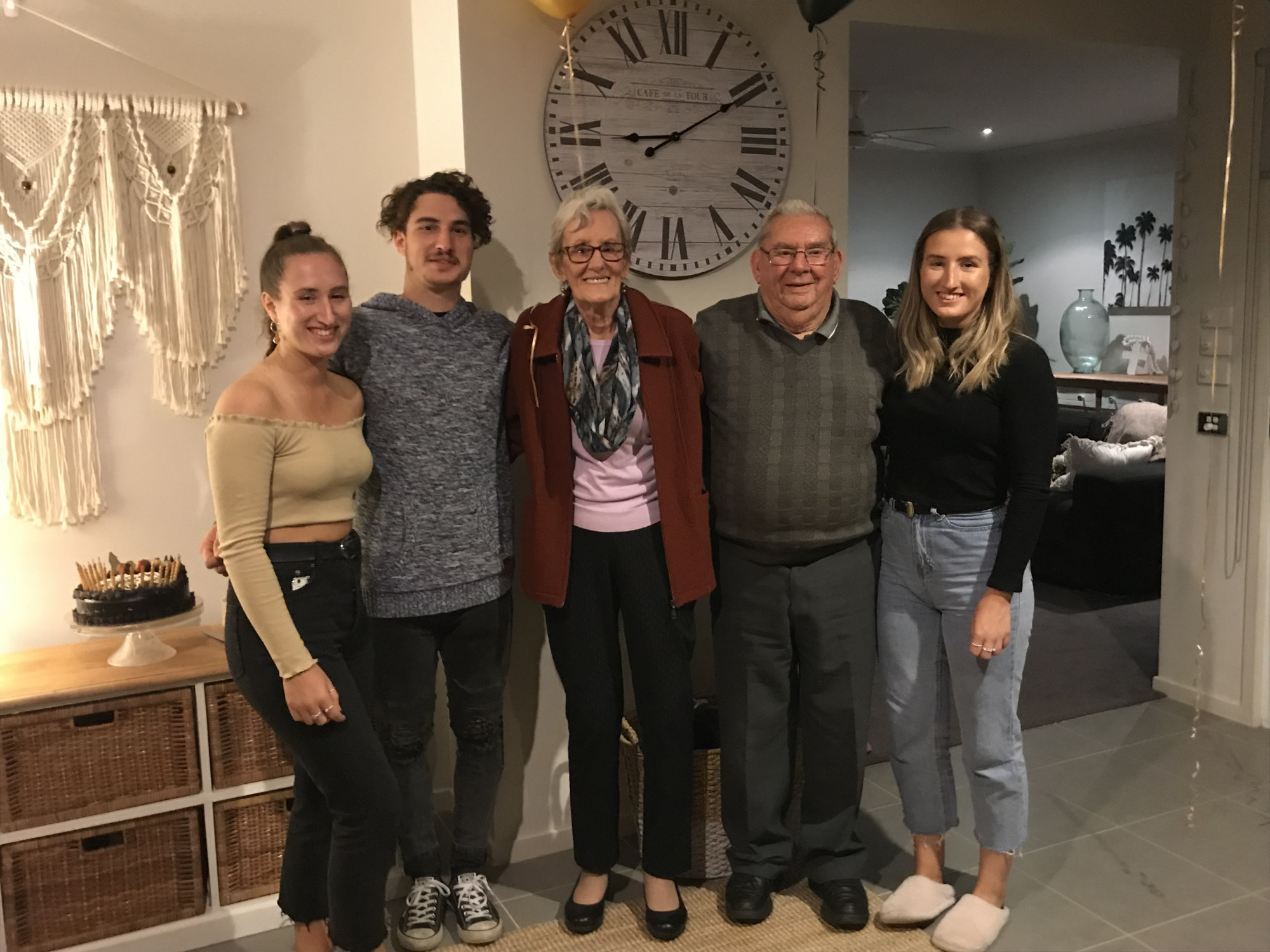
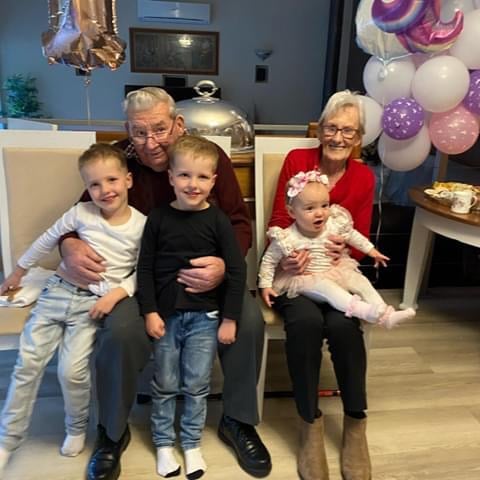
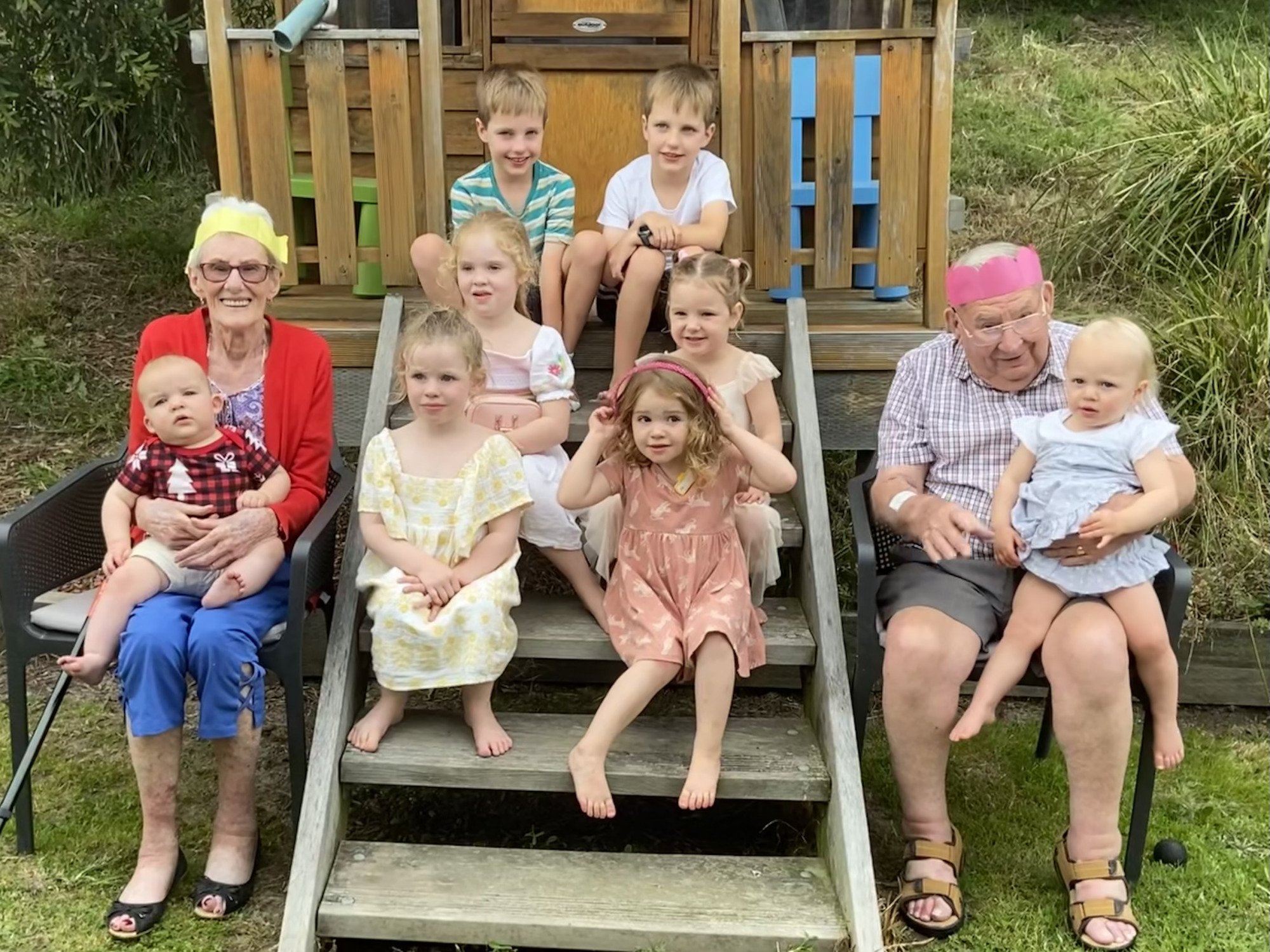
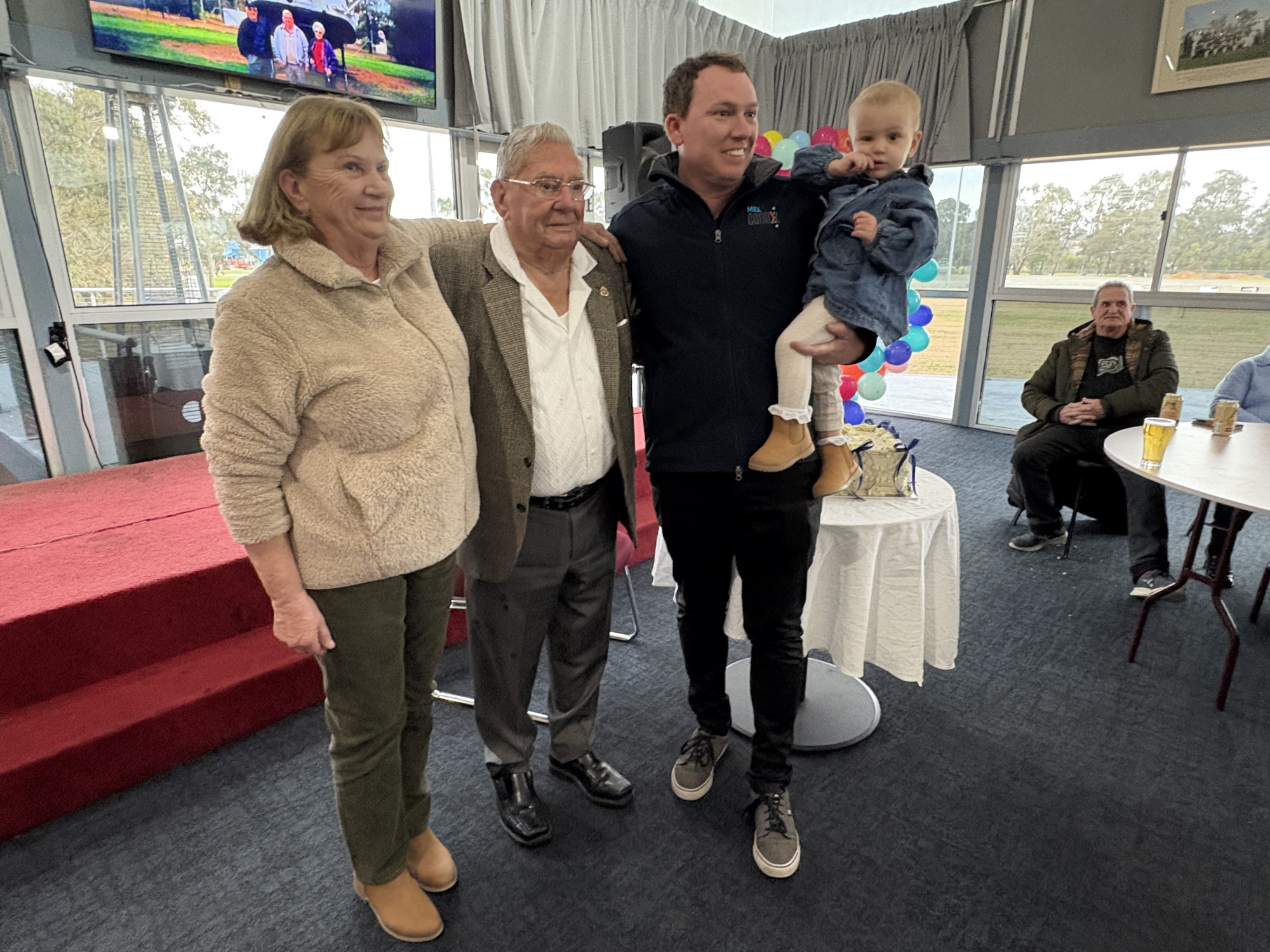
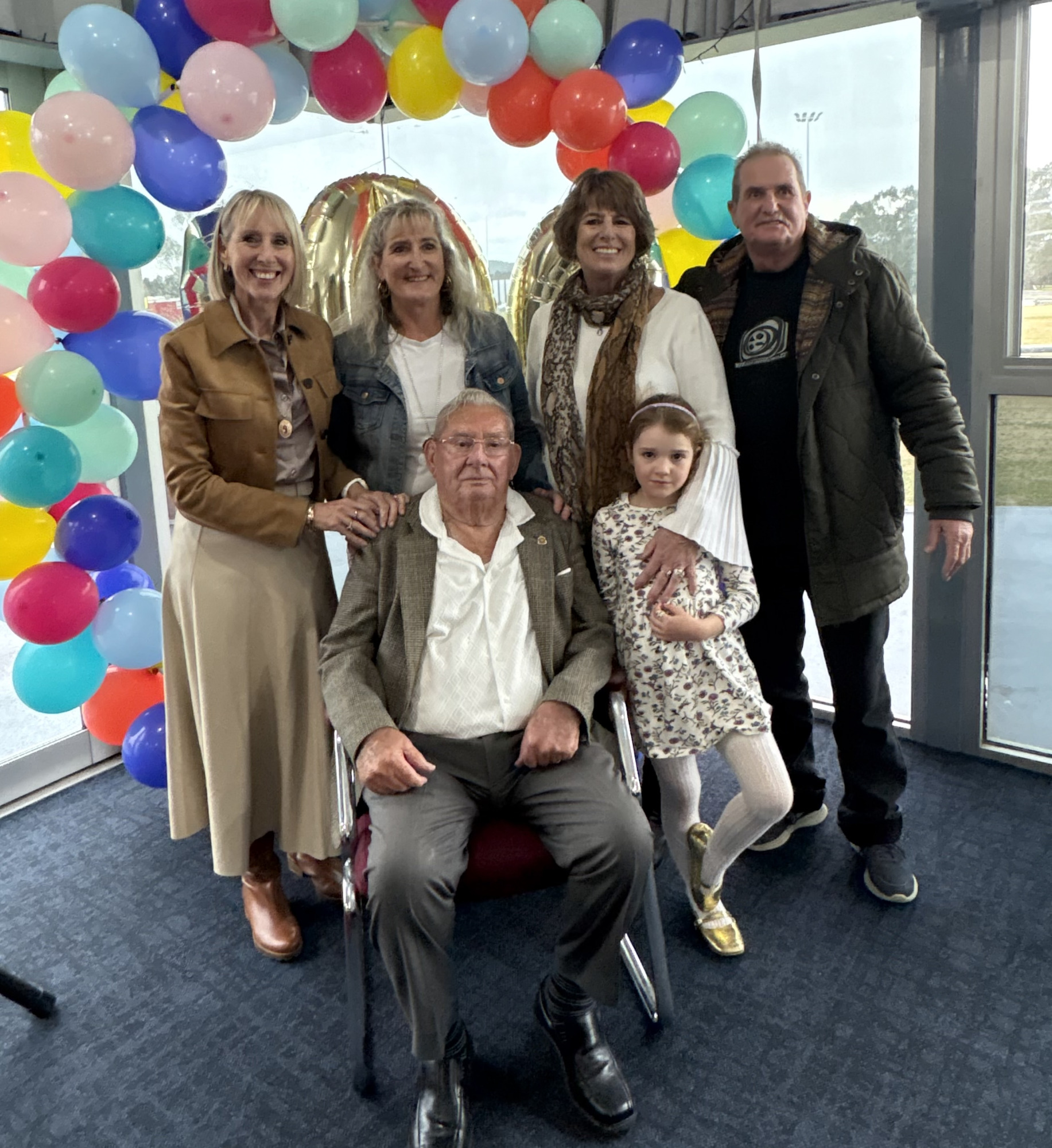
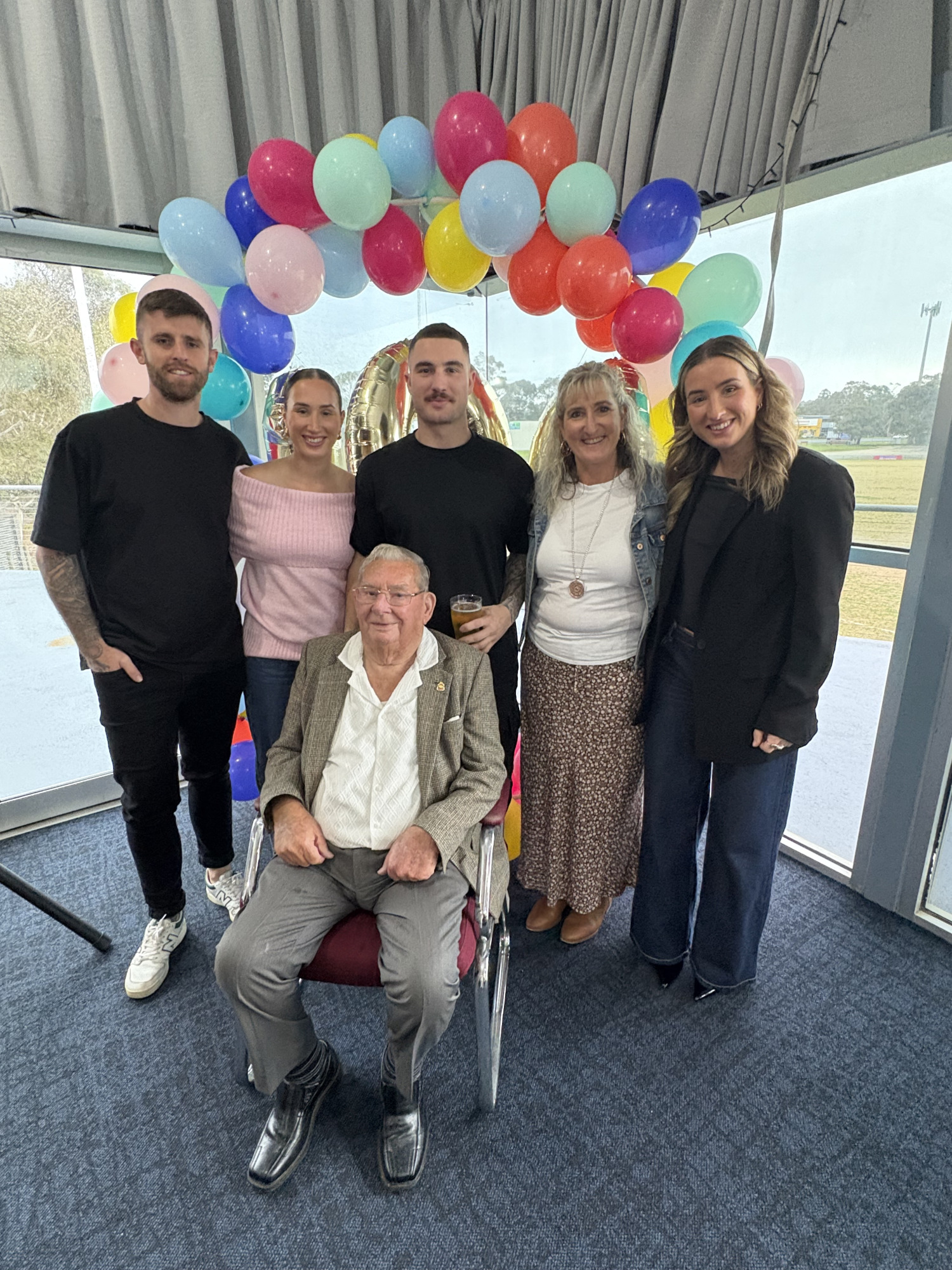
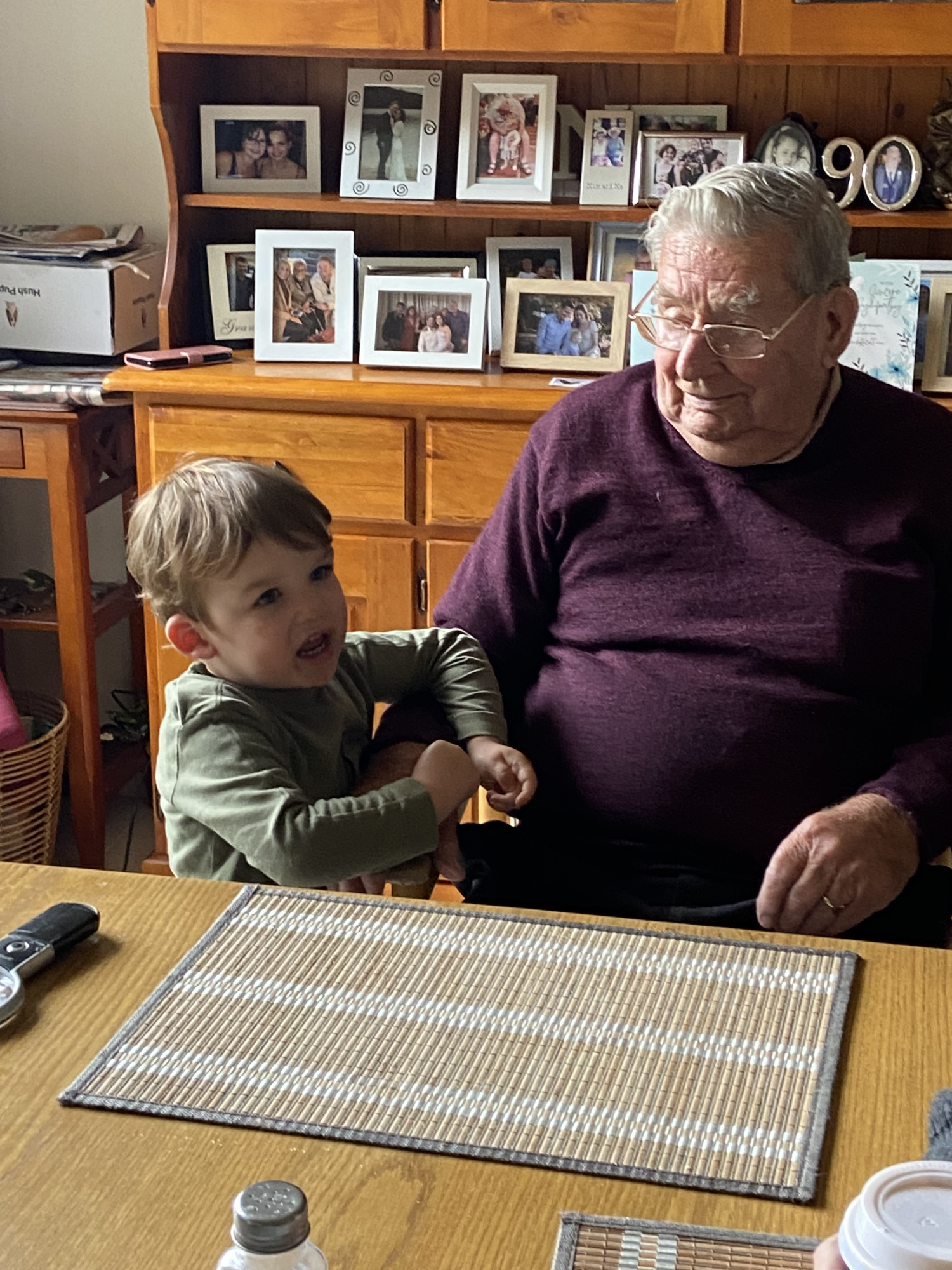
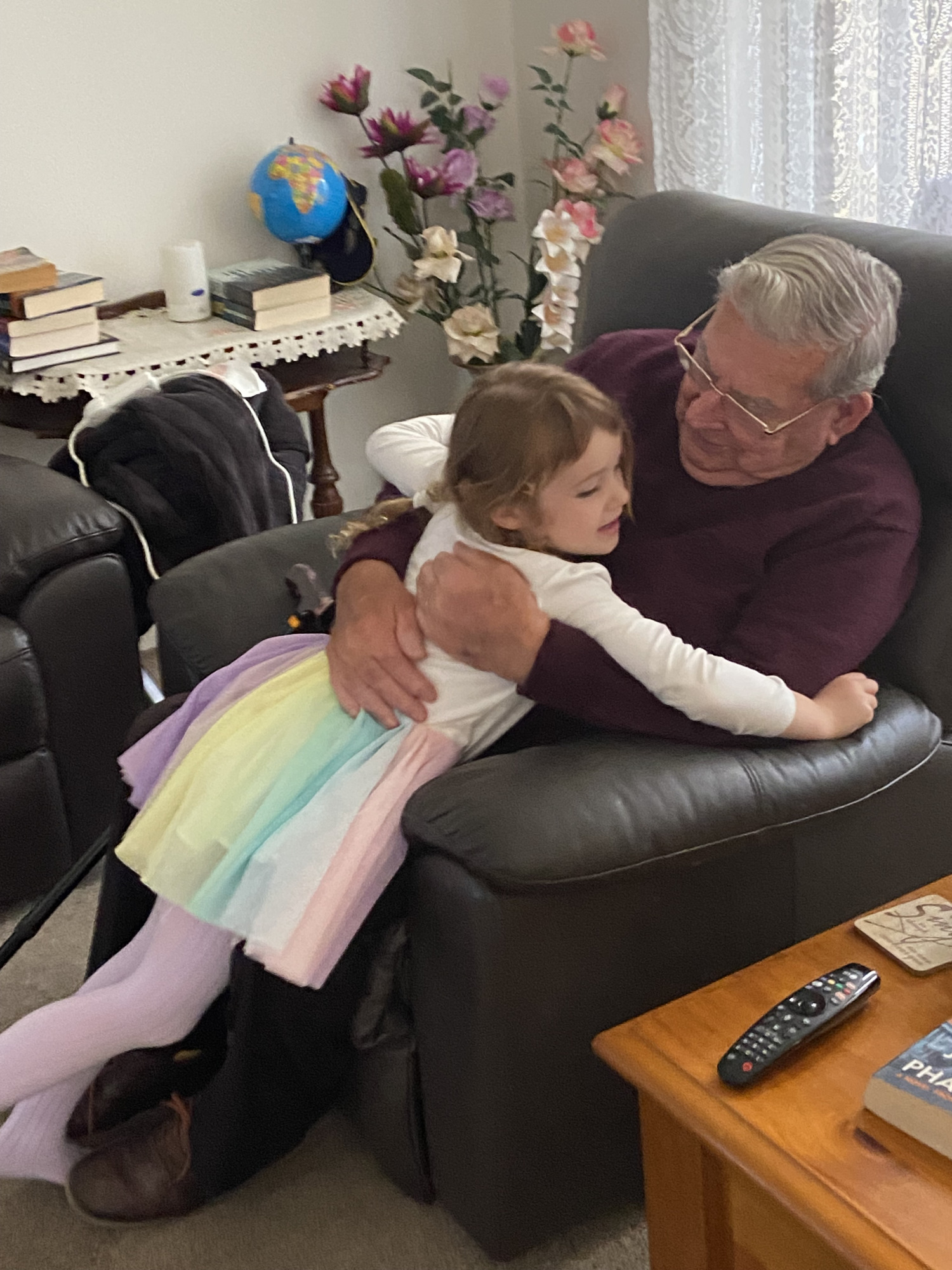
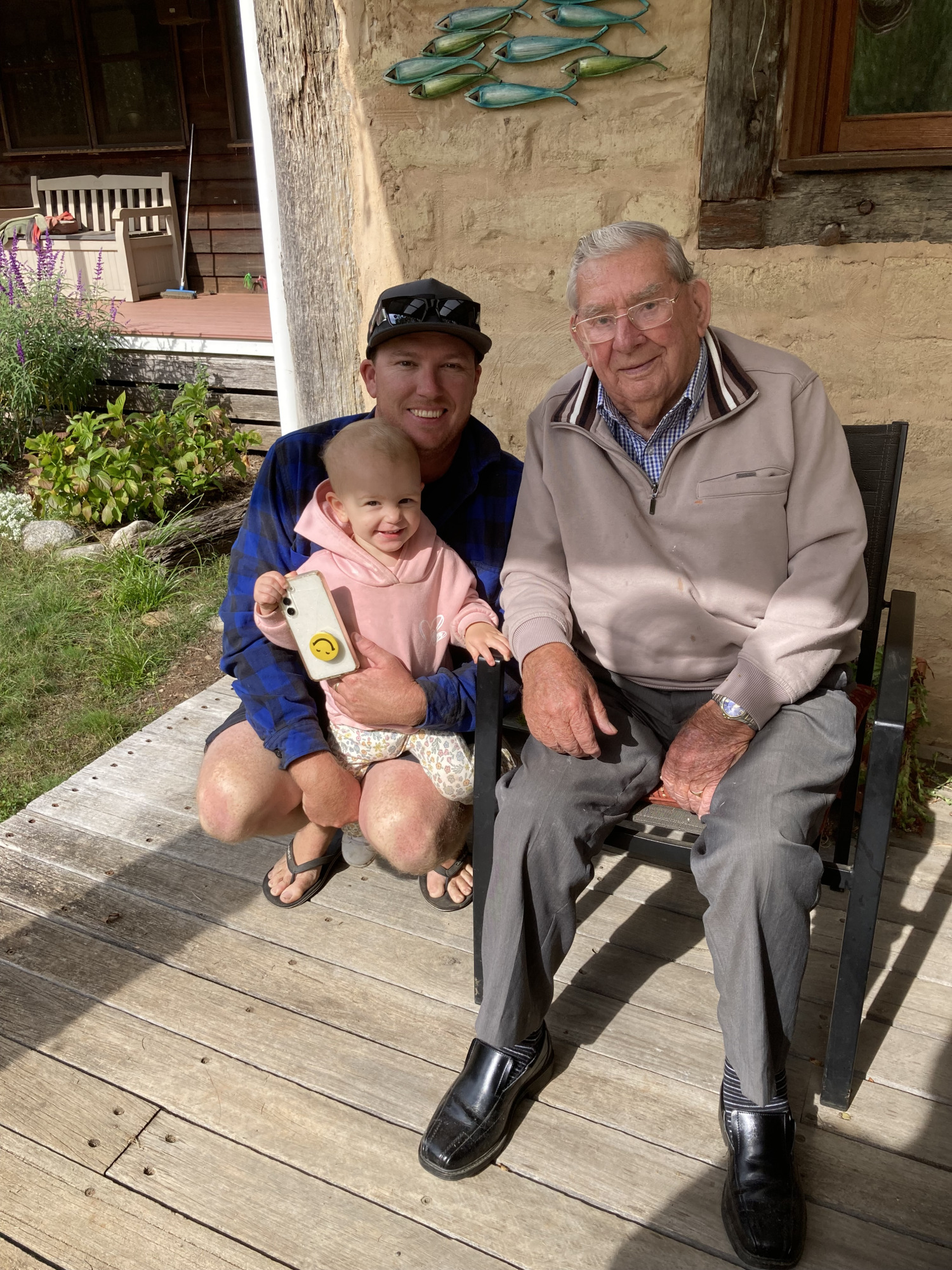
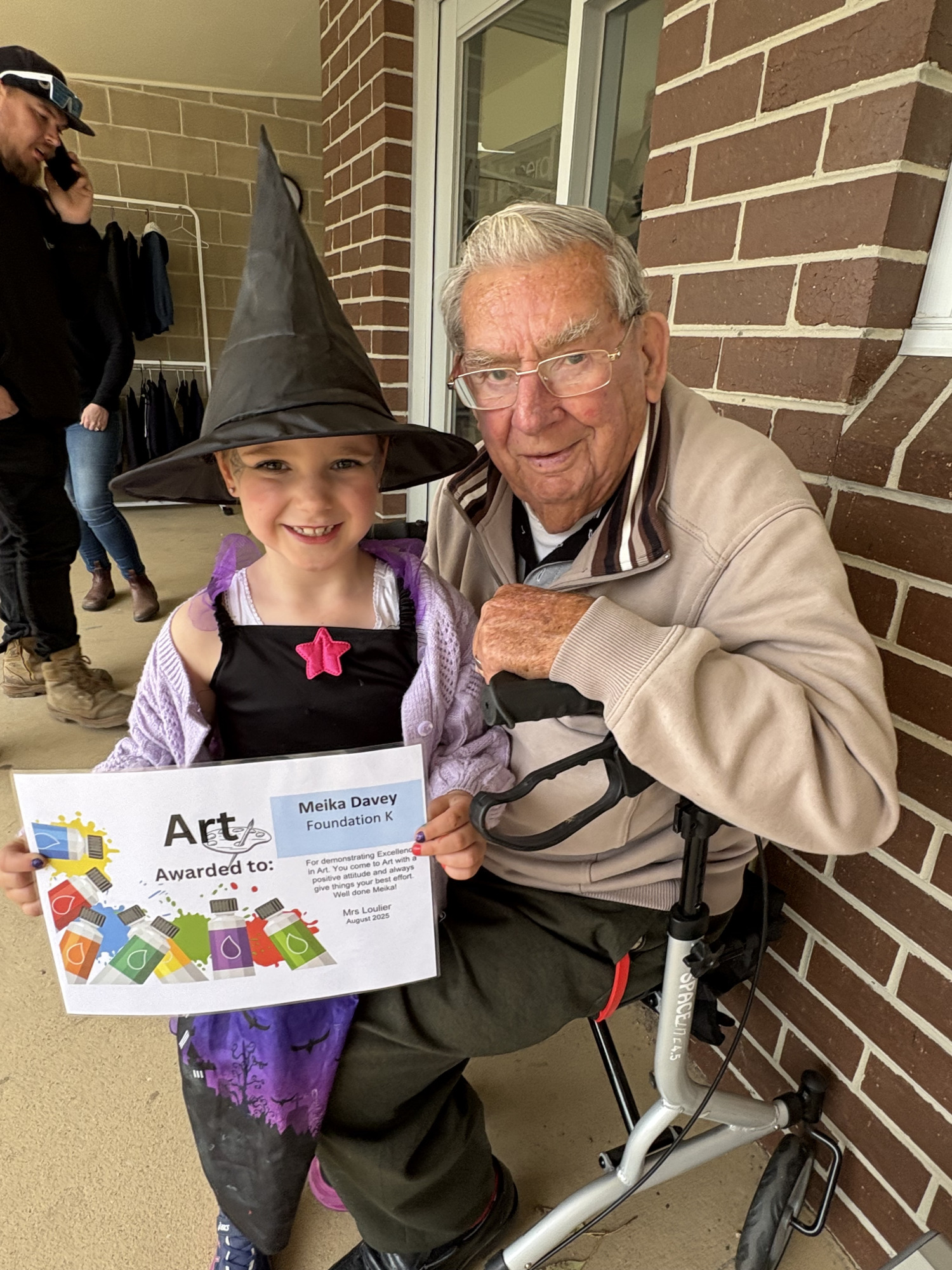
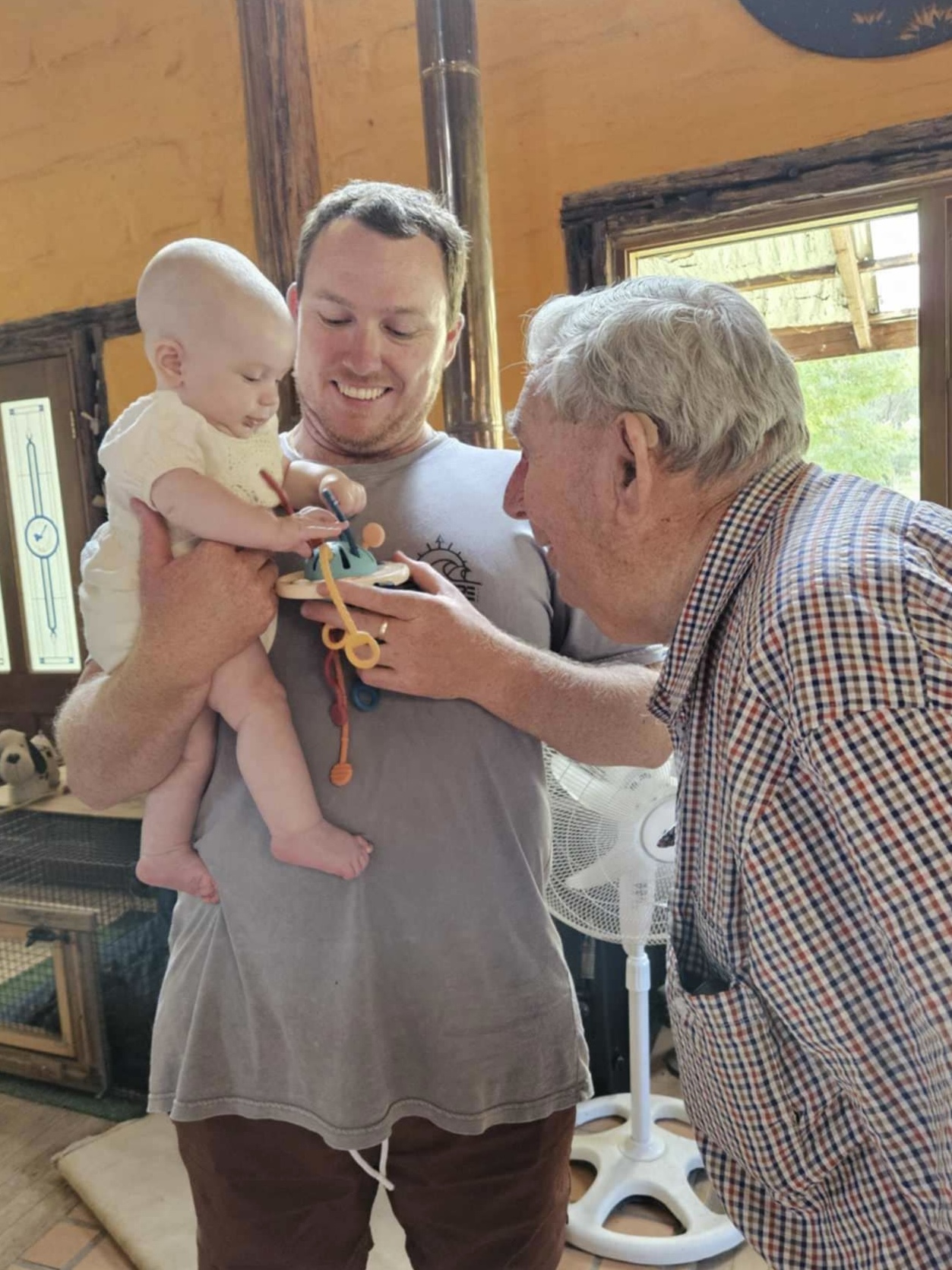
I've got grandkids.
How many have I got?
One...
Three.
Five and three,
that’s eight
grandchildren.
Is that right?
Eight grandchildren?
"And about
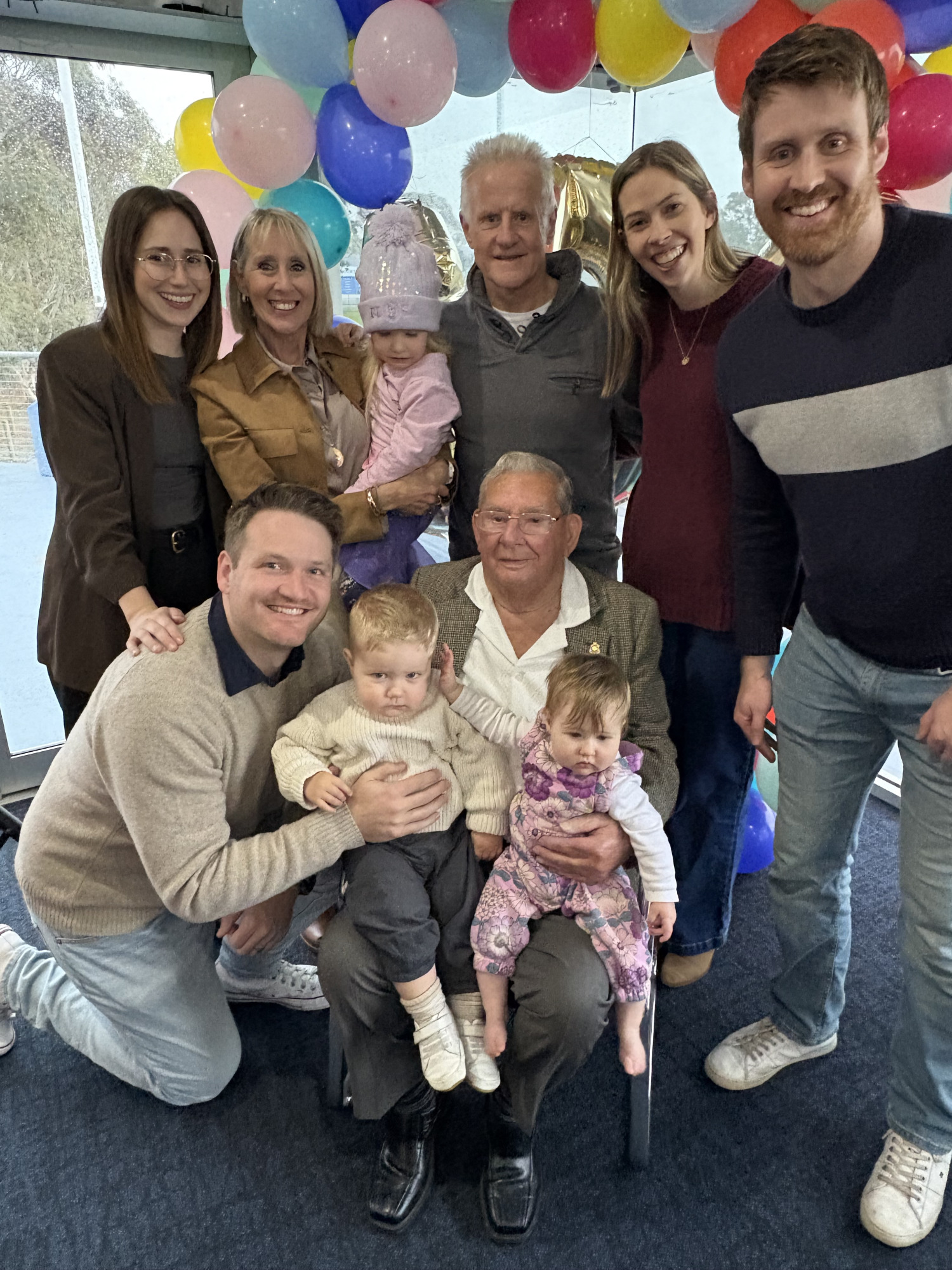
12 great grandchildren."
And how many
great great grandchildren?
18 we counted yesterday.
18 great great grand kids.
So, plenty big family now.
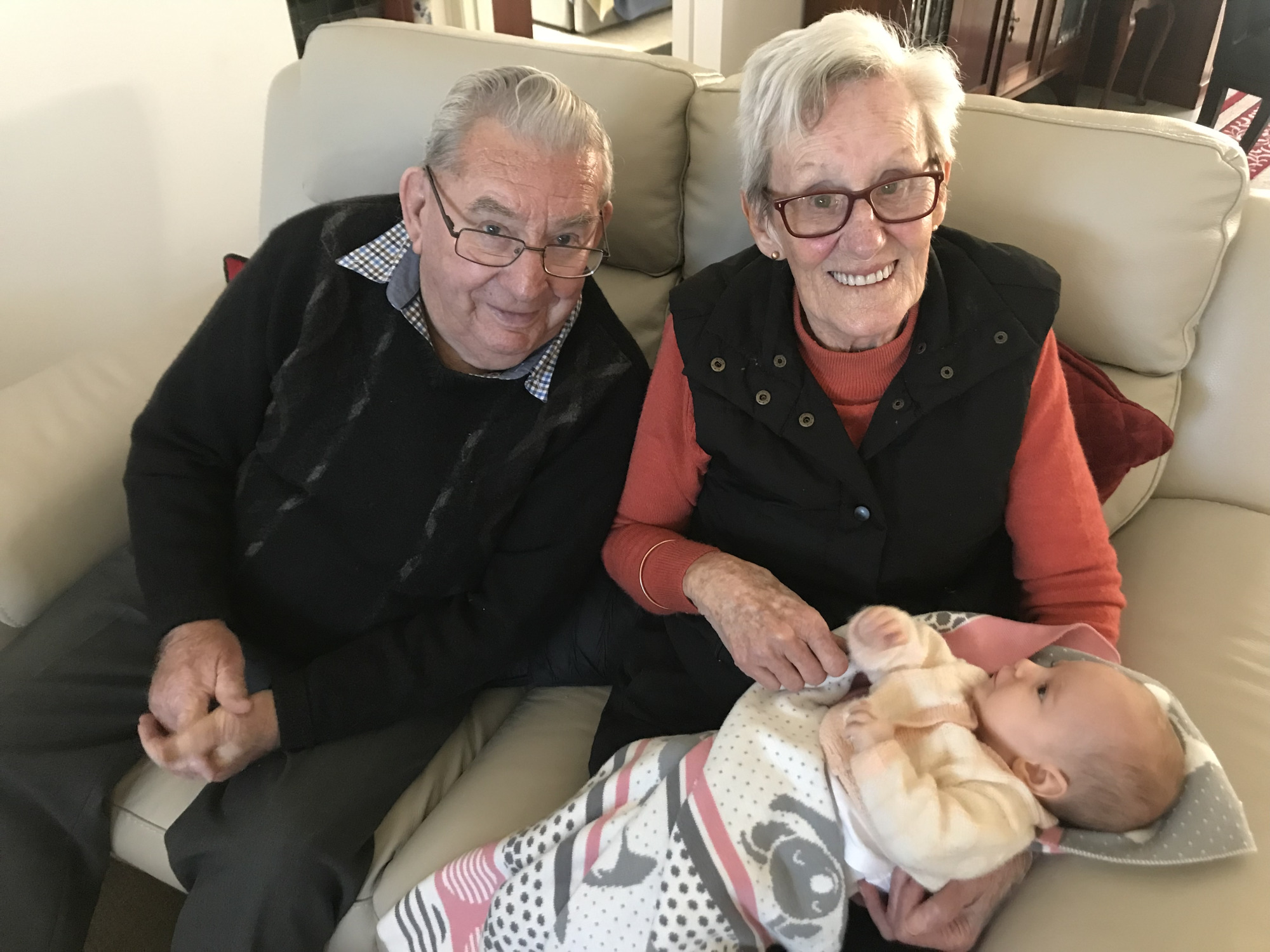
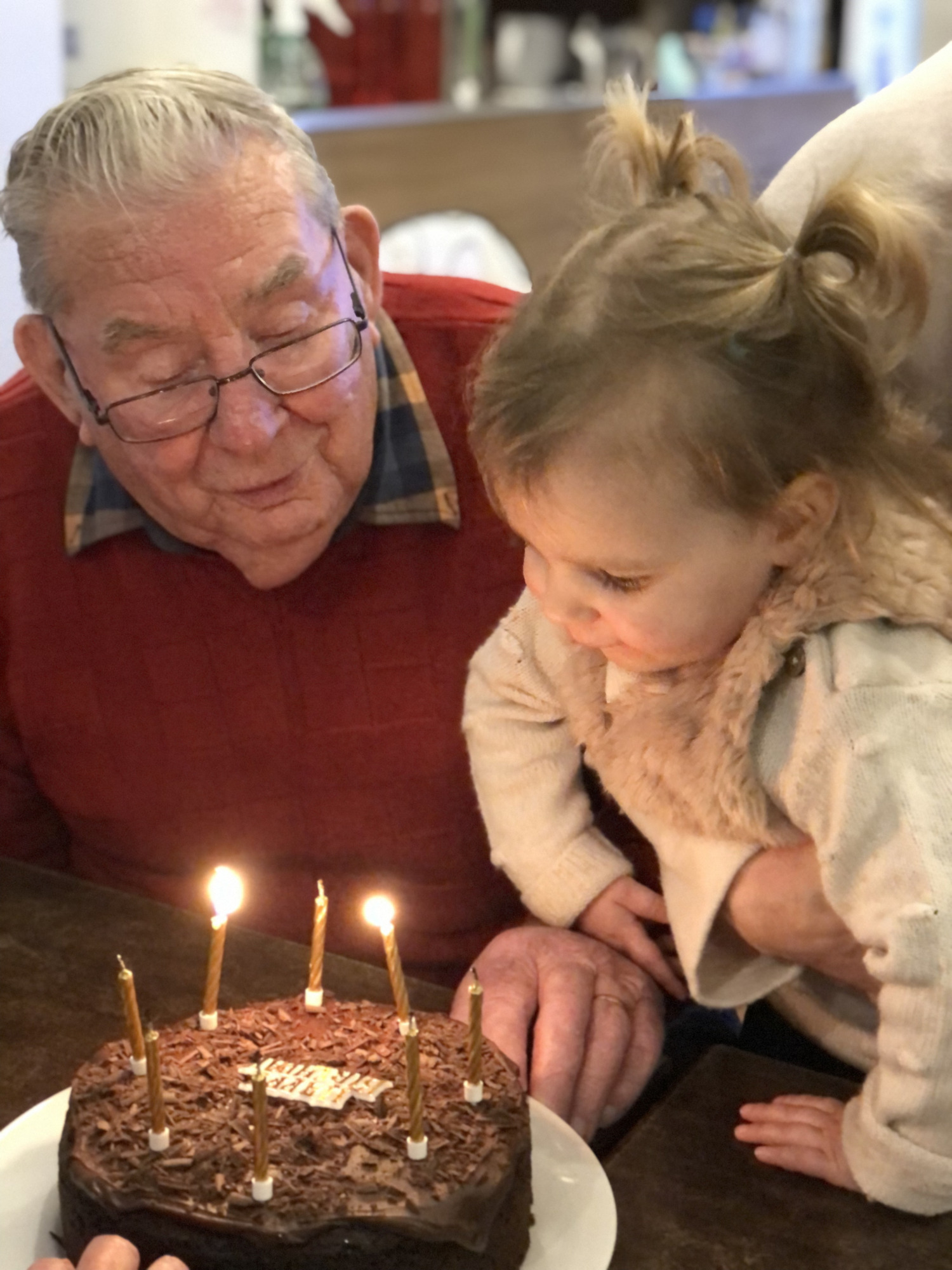
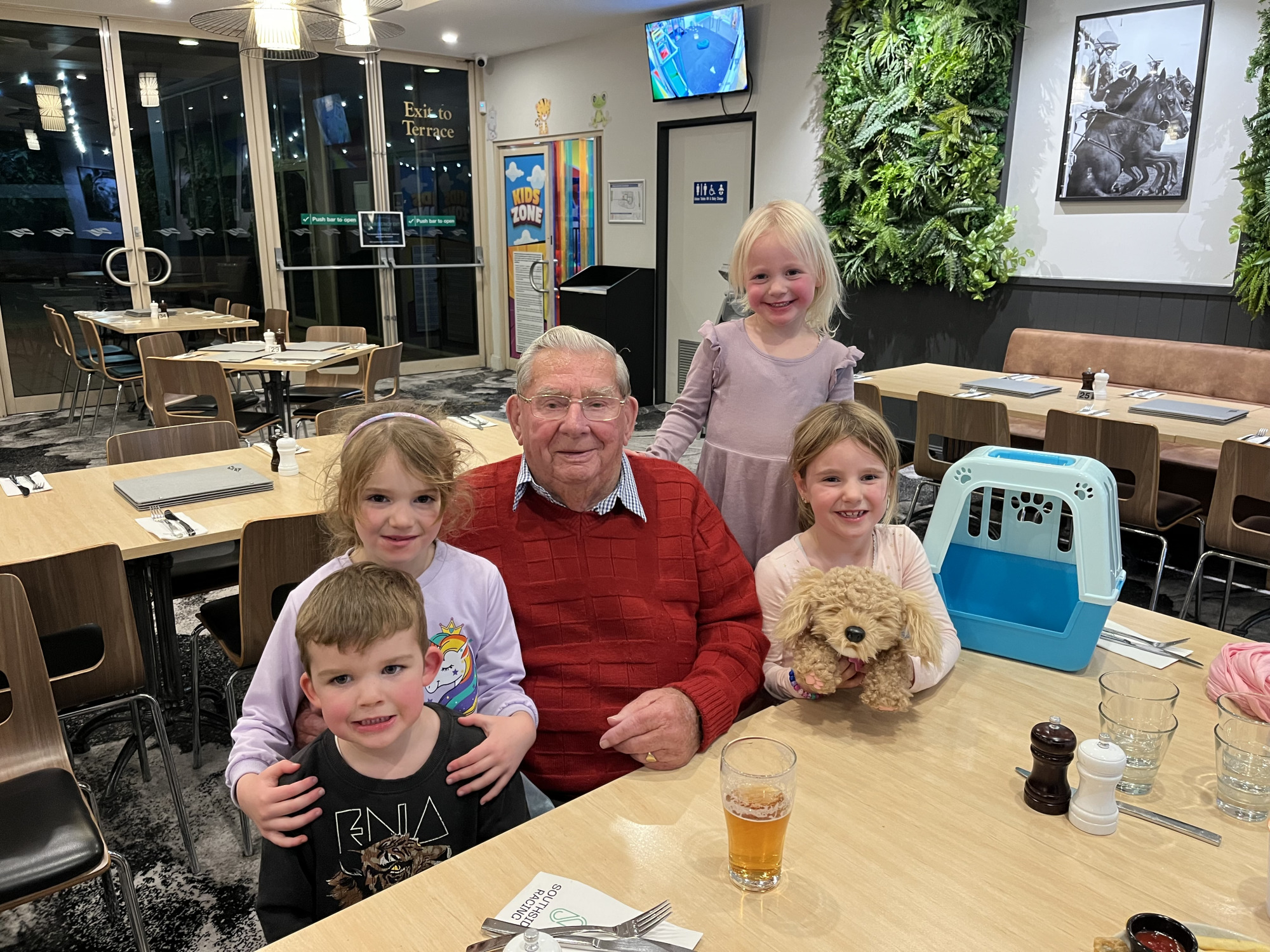
And they all call me ‘Pa’.
Life changed completely.
I had me own business.
Sales and service.
"Lawn mowers
and ride on tractors."
It was in Cranbourne
And Shirl came down to help me
which was a godsend to me because
I hated phones and still do.
And she looked after the phone
and did all me business for me
"and let me do
some work out the back"
"and we started
to make money then."
"when I got married
to Shirley Gargan"
I had to apply for me
birth certificate.
"And when I got me
birth certificate,"
I didn't know who
they were talking about.
"So I went down
and saw me mother"
"and I said,
“I've got a problem.”"
"And she said,
“What's the problem?”"
"I said,
“I’ve got me birth certificate”."
“Oh, yes.
"Your name's
Richard Appleyard”."
"It was a bit of a kick
in the guts for me."
I, Sarah Huntley,
declare
that on the 13th day of July 1925,
I have birth to a son
at the Women's Hospital..
I registered the child
as Richard Appleyard,
Appleyard being my maiden name.
And I’m 65 years old.
Bit of a shock.
"Matter of fact
it was a big shock."
"When I returned from hospital
with the child,"
I was unmarried and very confused.
The local minister
suggested that the child
take the name of Walker
as the father of my child
was named Walter Walker.
"We were going
for an overseas trip"
so I had to change me name.
"I couldn't put up
with Appleyard,"
"so I went and
changed it to Walker"
Sold the business
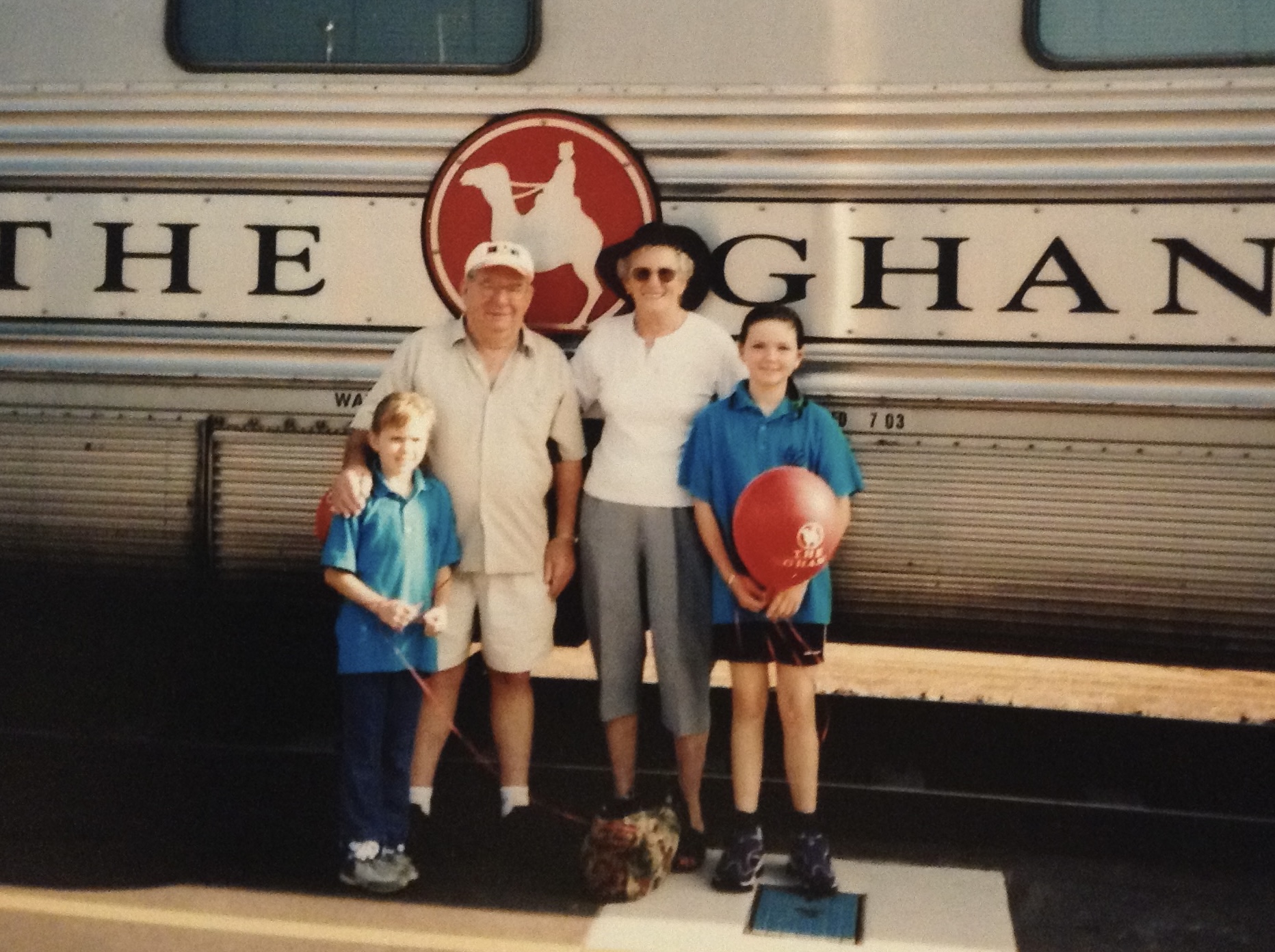
"And Shirl and I
started to travel"
and we went all over Australia
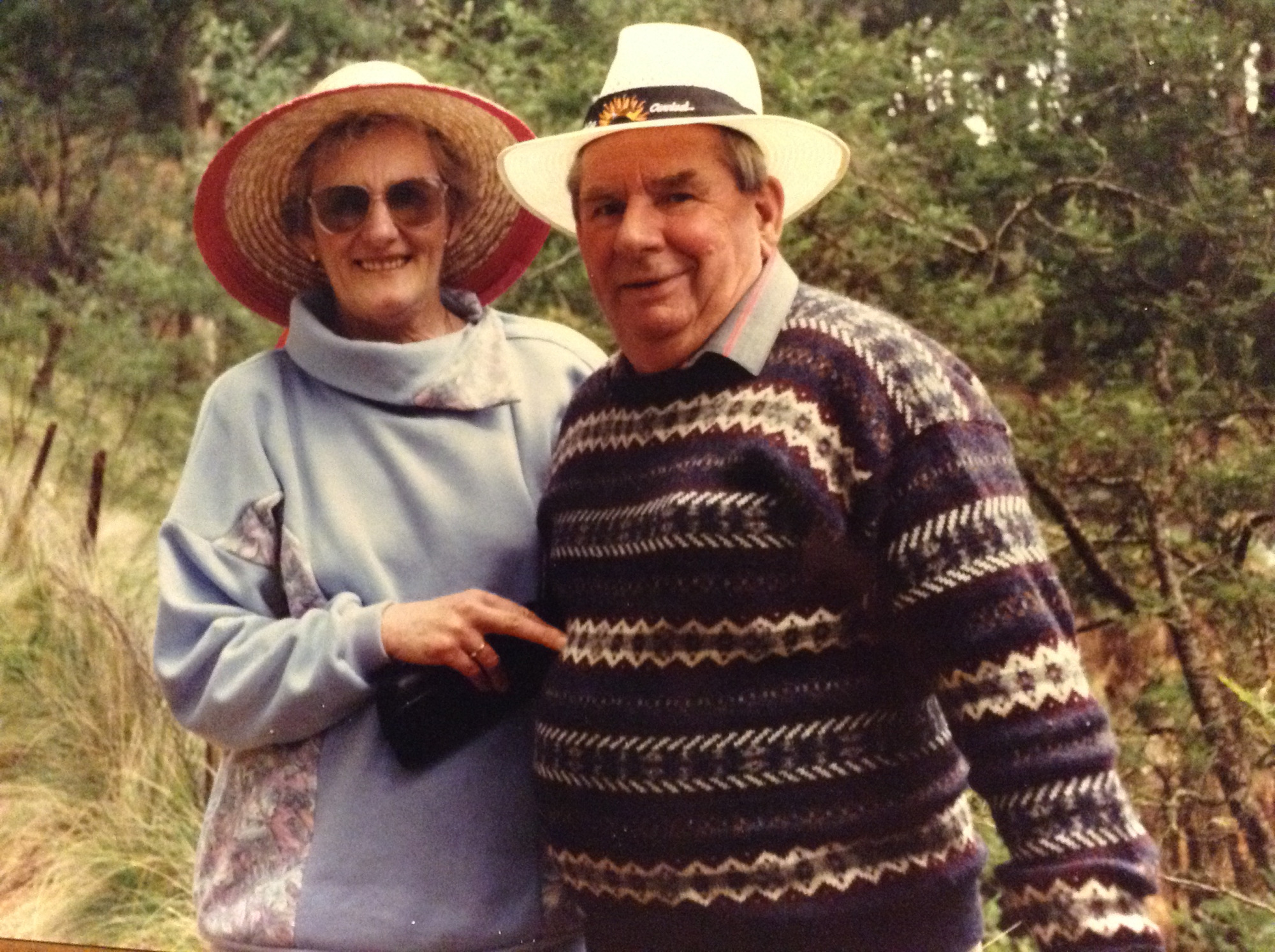
except Tasmania.
"And we've had a very good
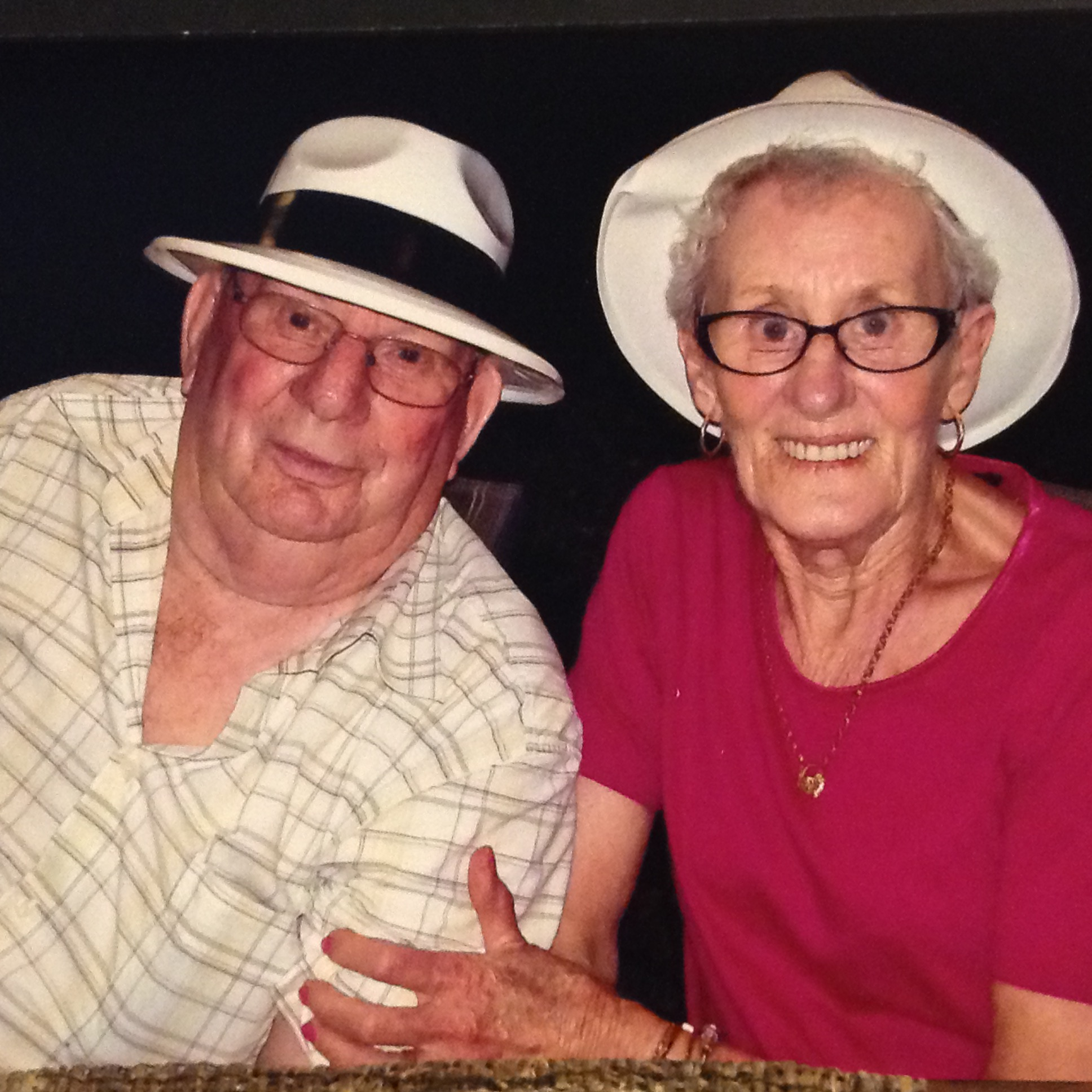
life together"
until Shirl passed away
in October 2024.
Yeah.
Lived a very happy life.
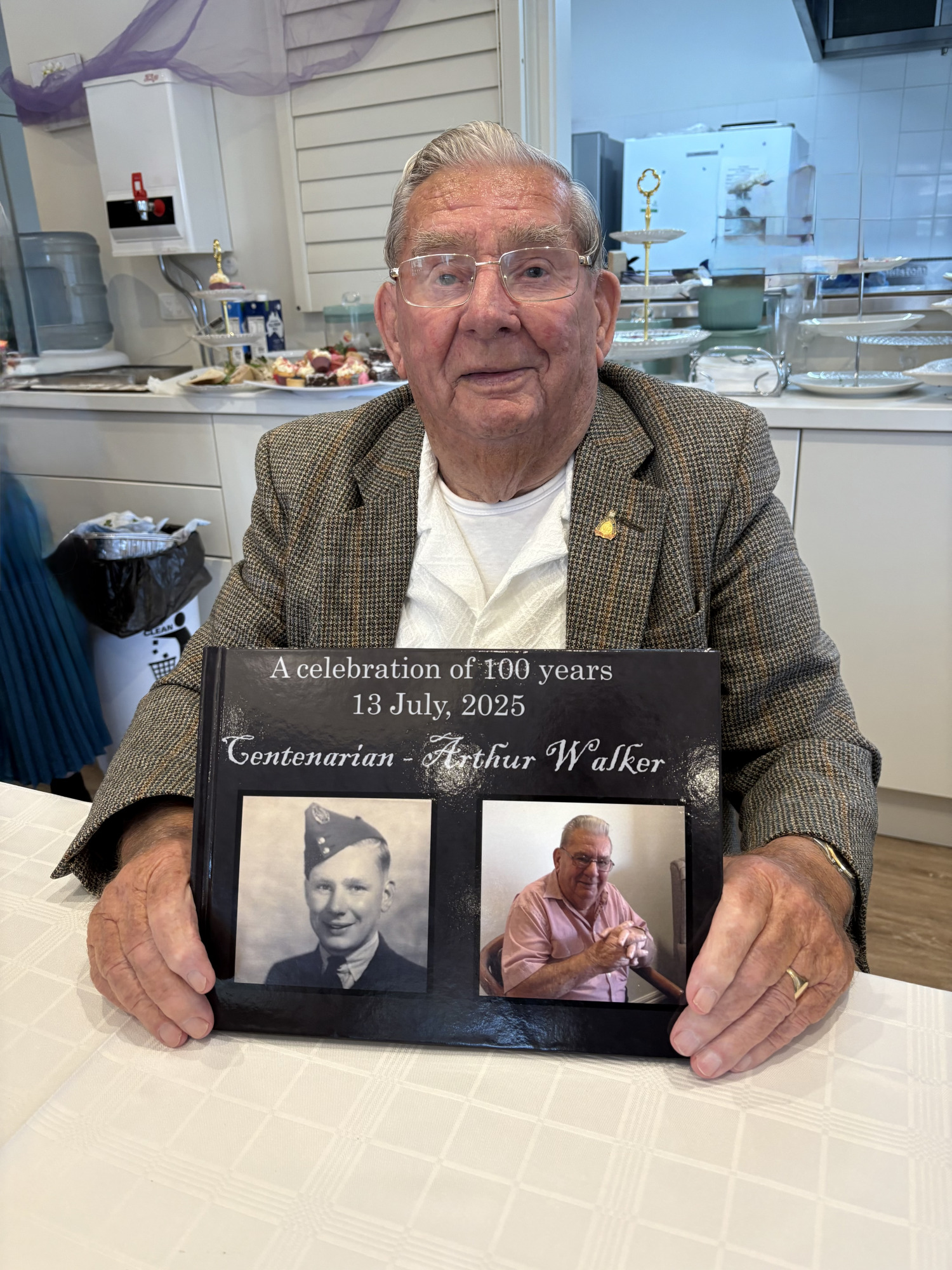
Very happy.
But I miss her very much.
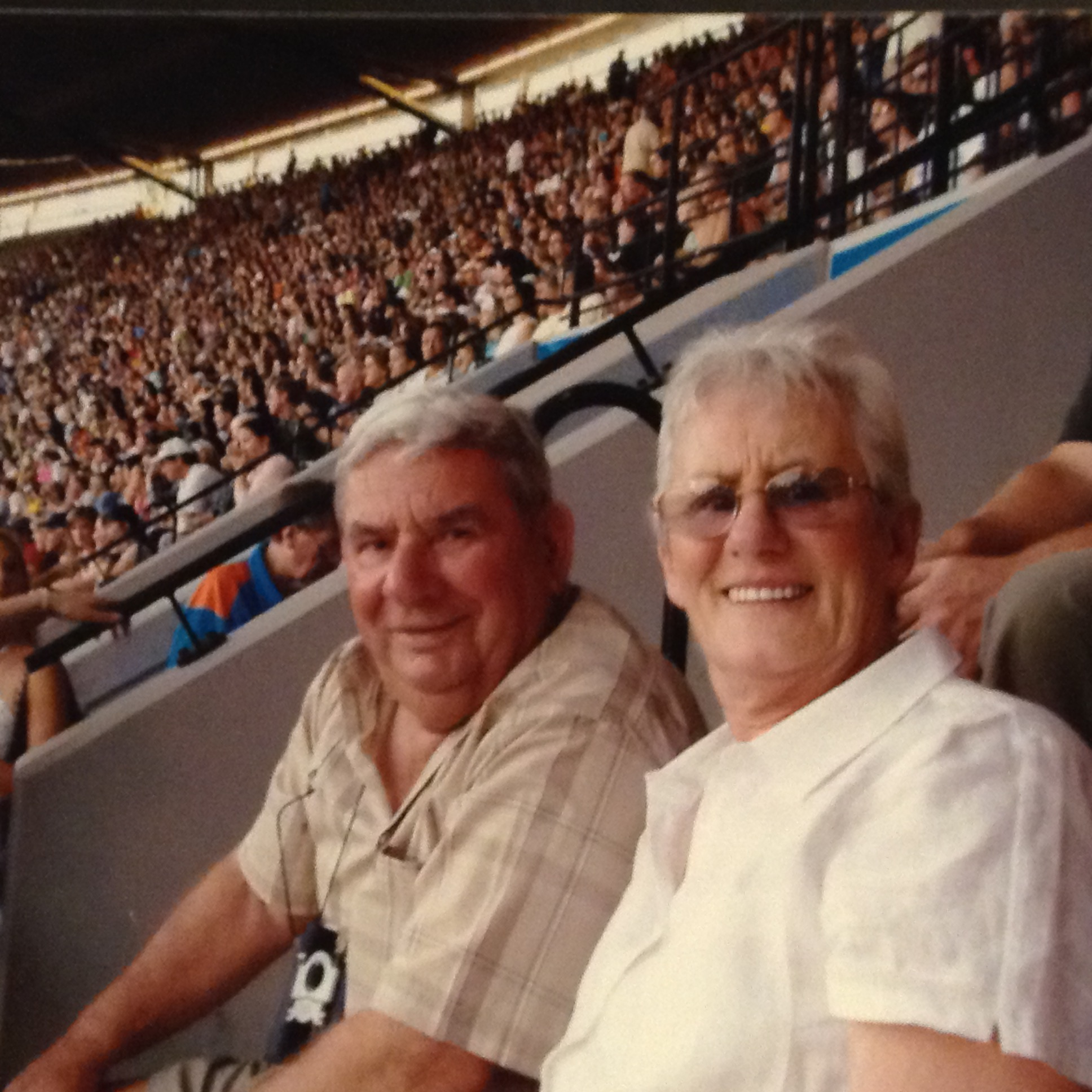
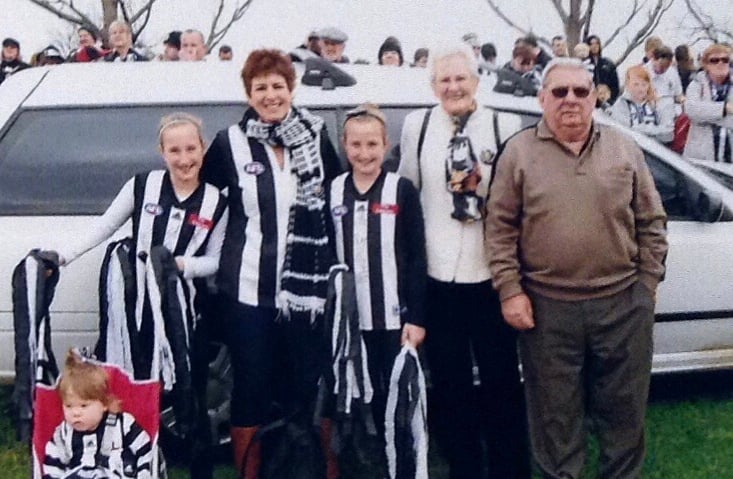
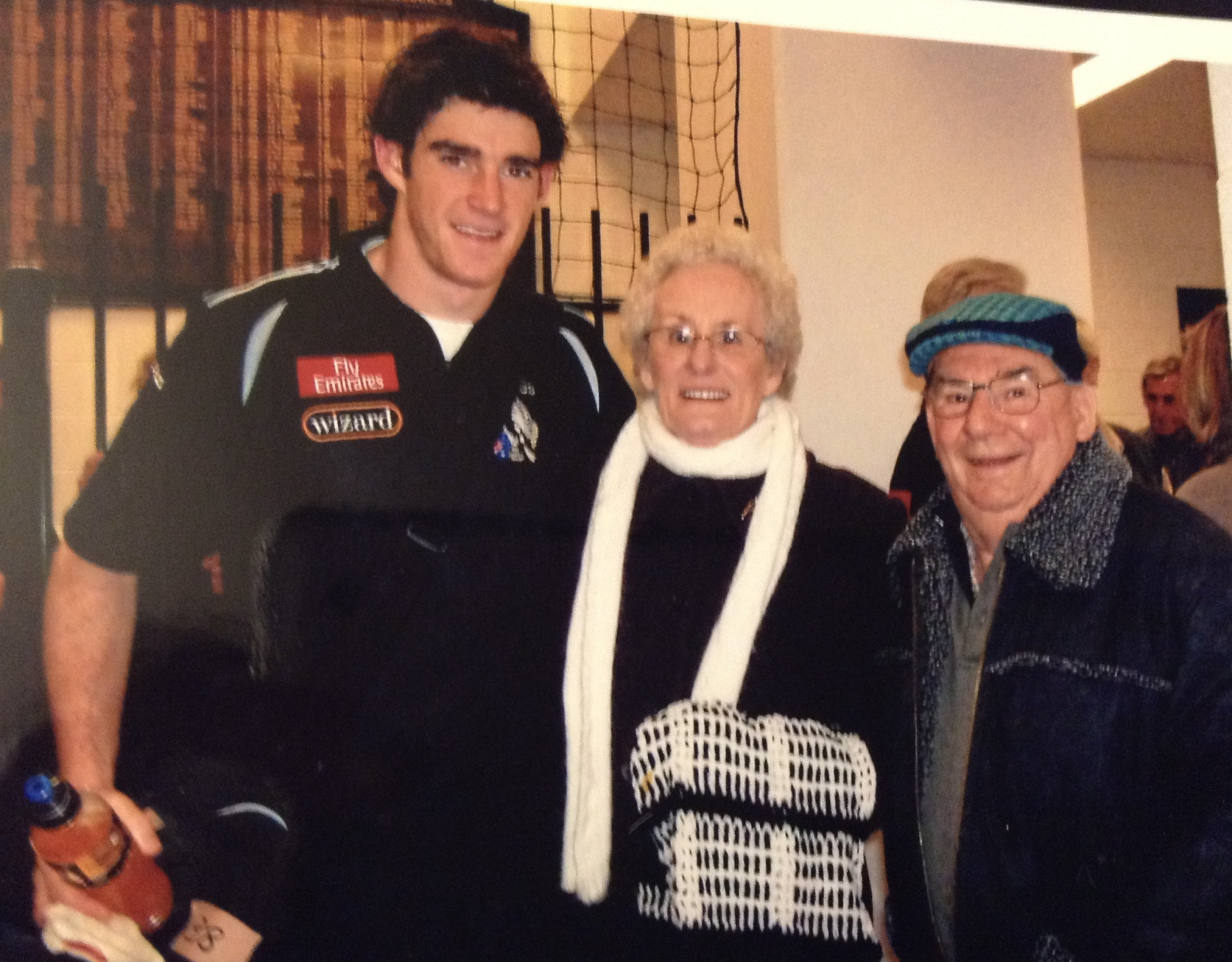
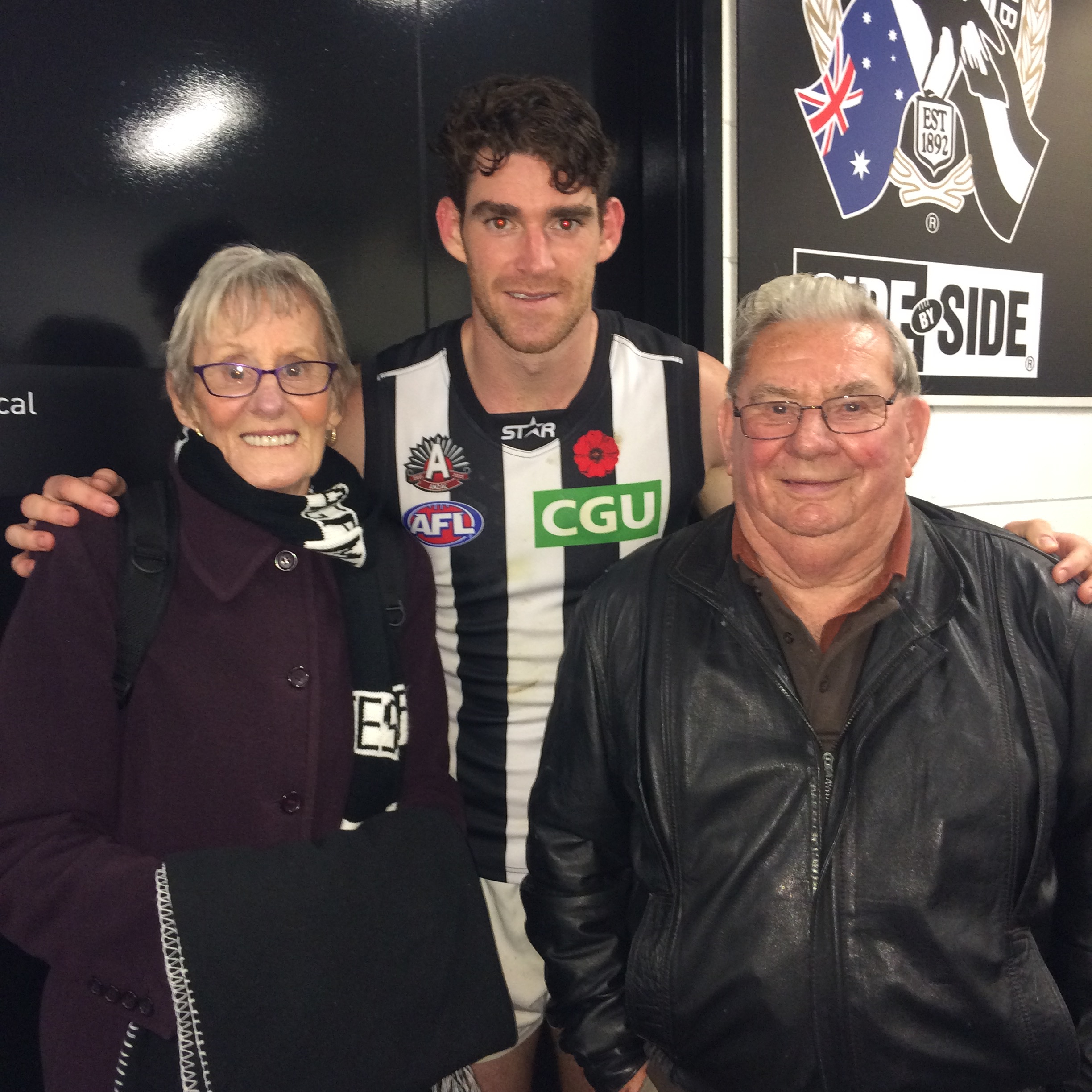
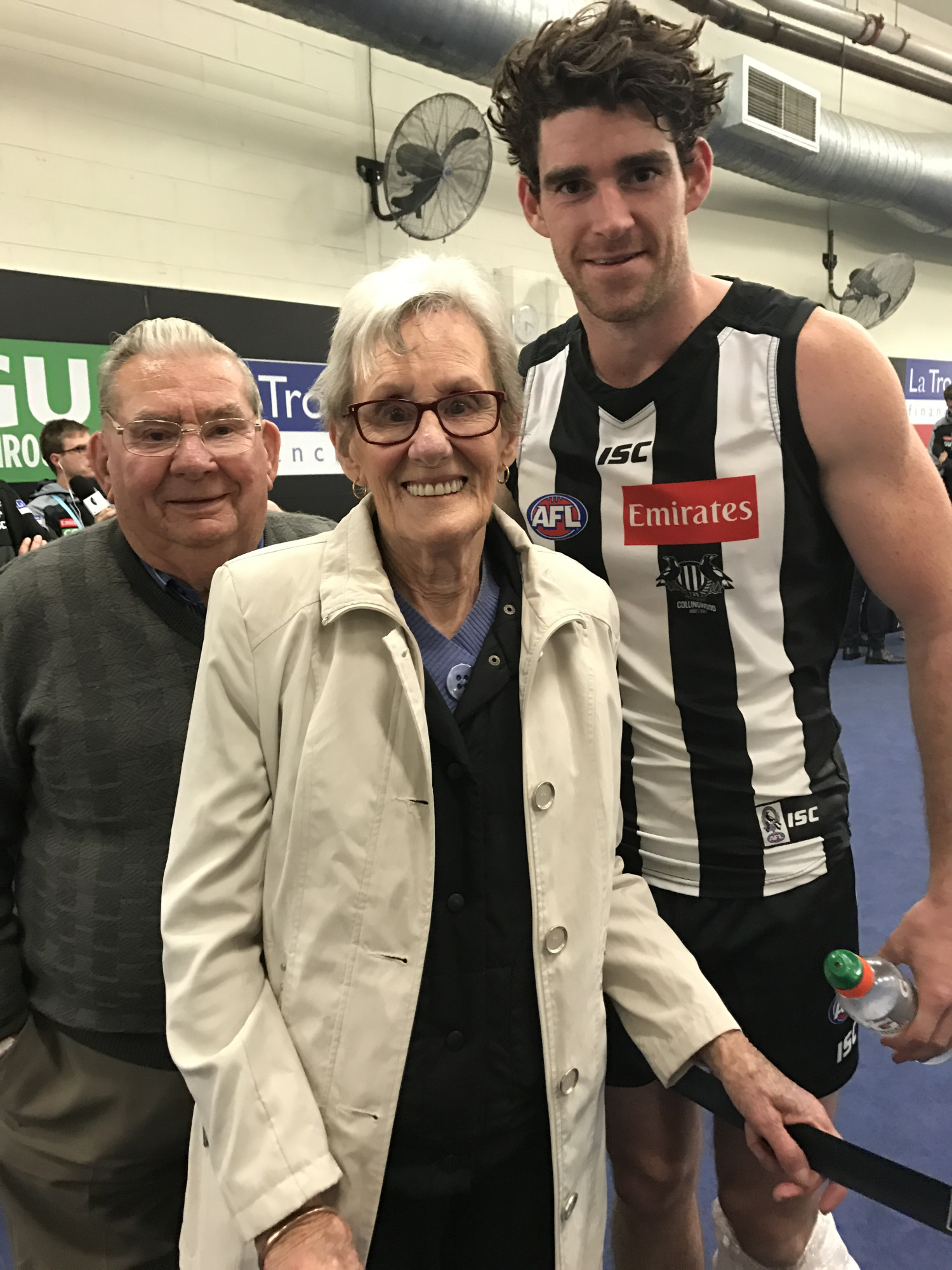
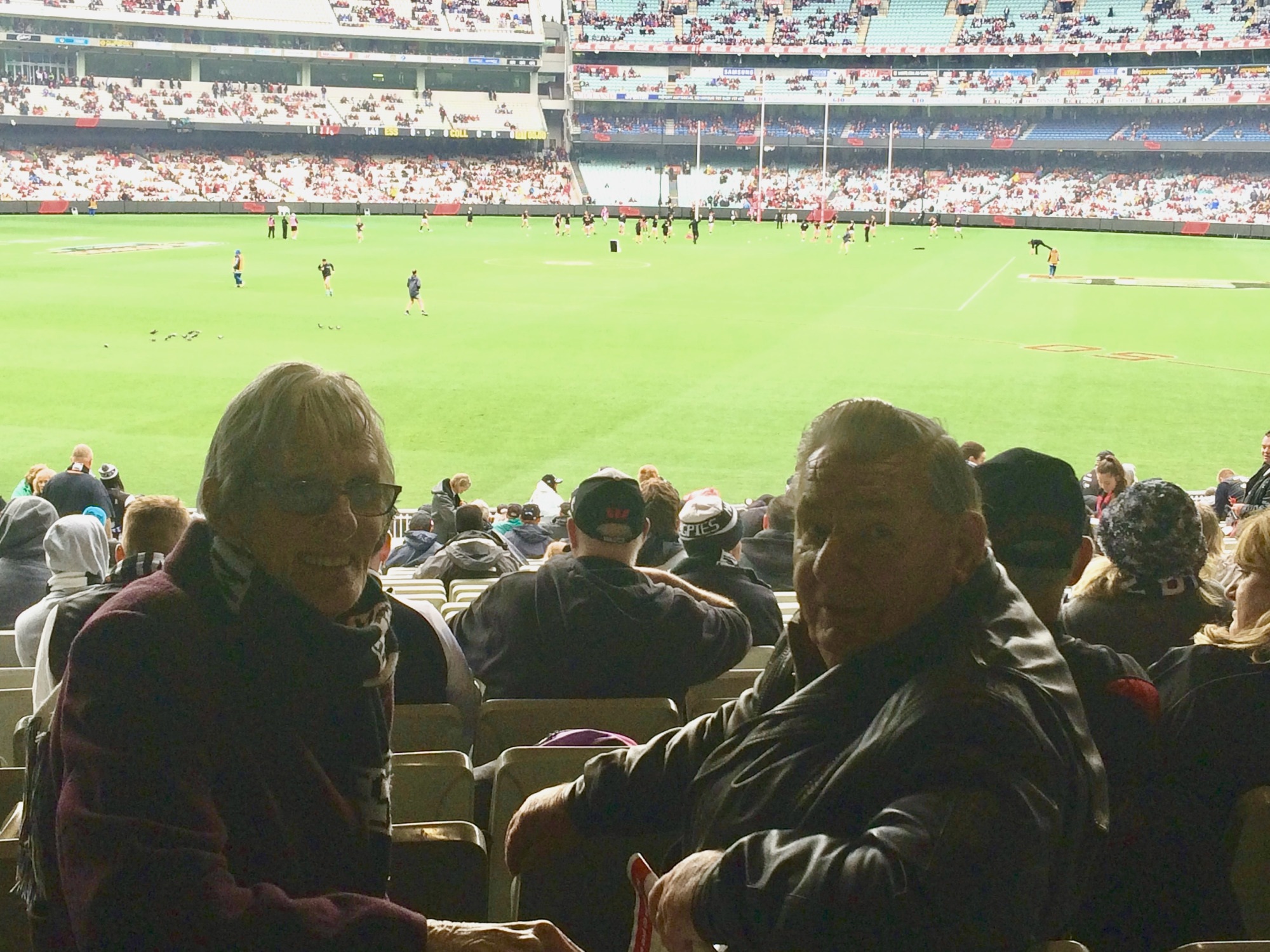
"I joined the
Collingwood Football Club"
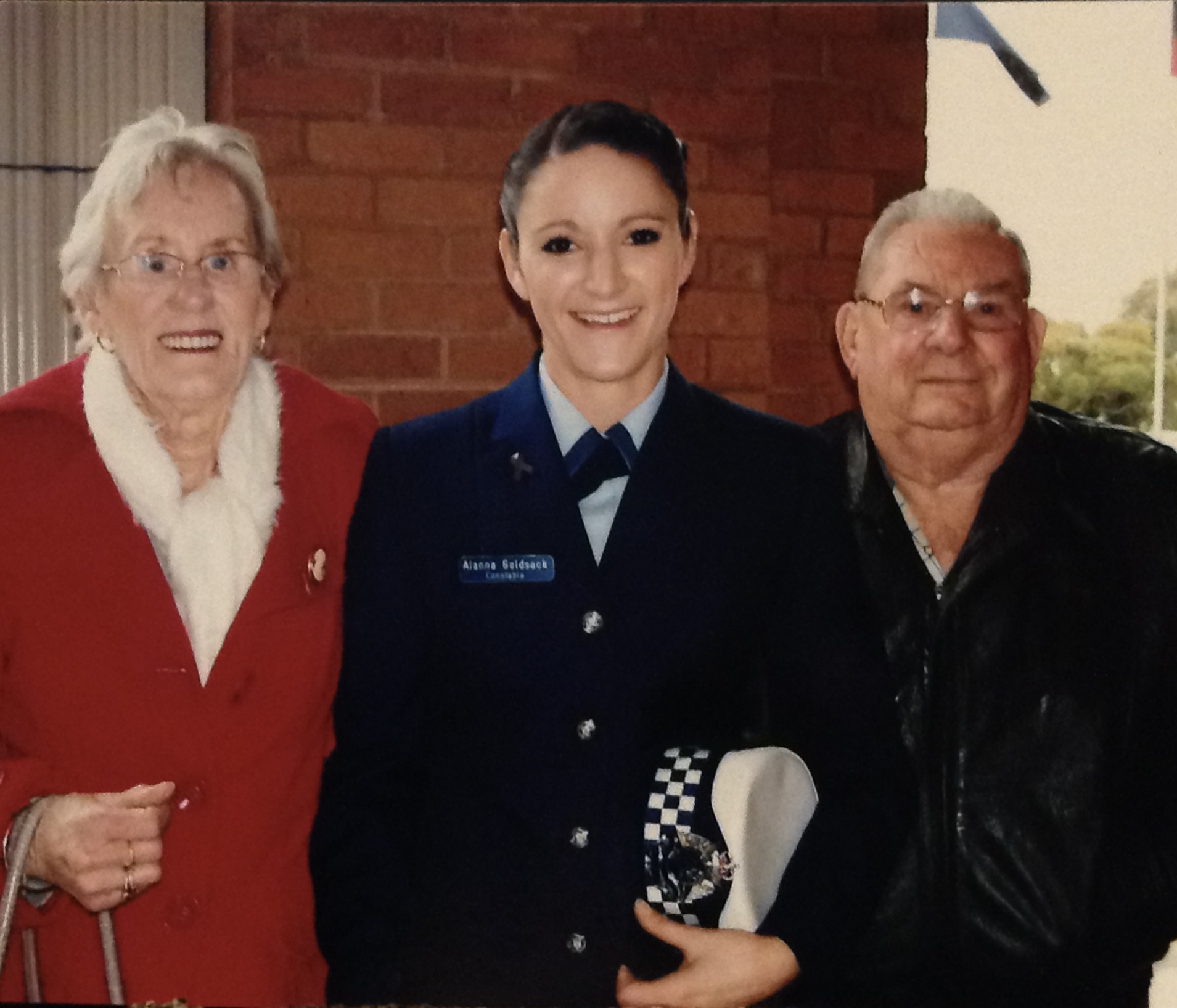
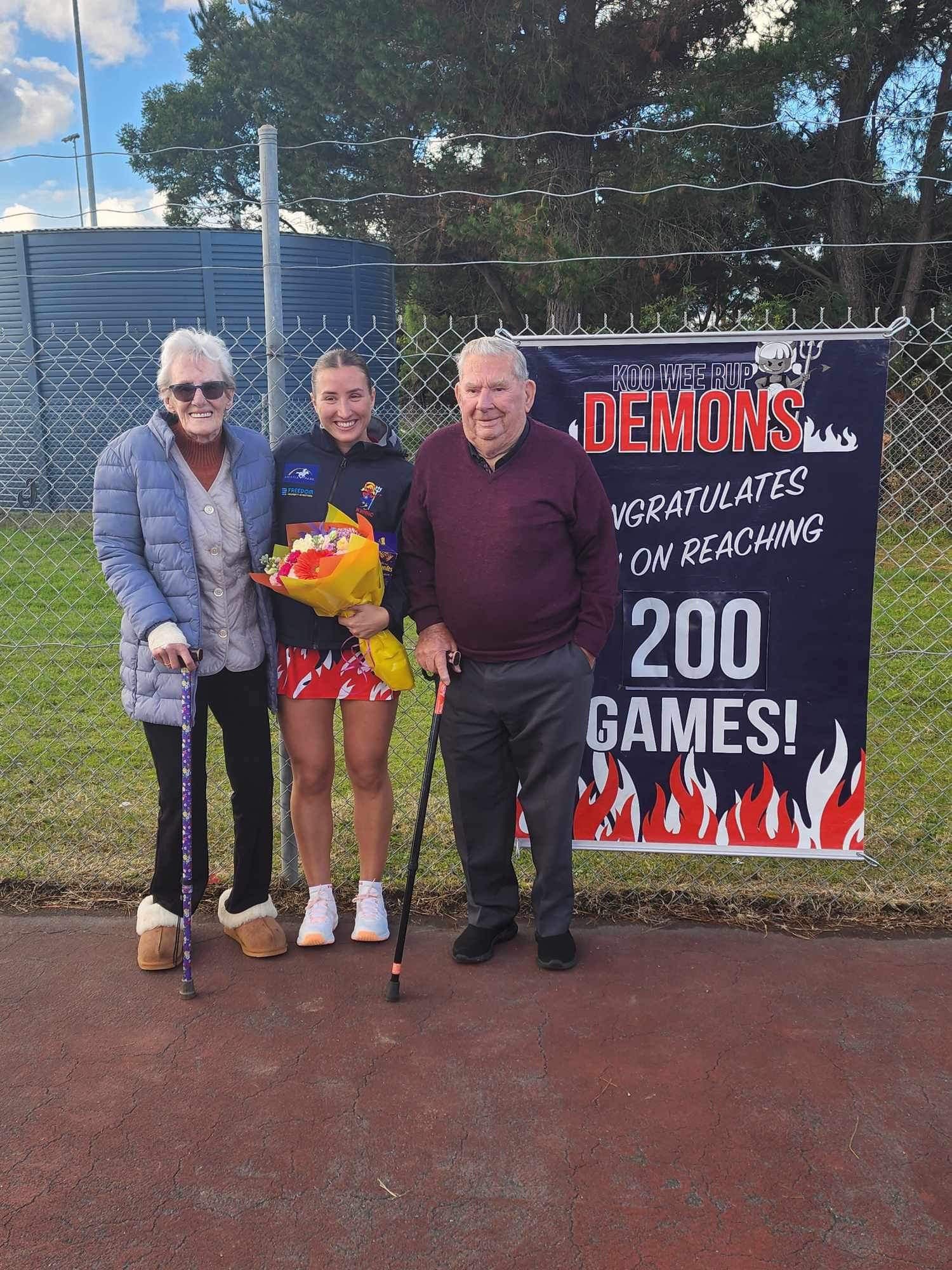
because my grandson,
Tyson Goldsack,
played football for Collingwood.
I liked his style of football,
long kicking, good marking.
We went one year to the grand final
and Tyson kicked the first goal
in the premiership side in 2010.
"He could never stop
talking about it"
after that.
Everybody in Pakenham
and I think
halfway between here
and Pakenham knew all about it.
Yeah.
Very good.
But when he left,
I went back to me Richmond,
thank you.
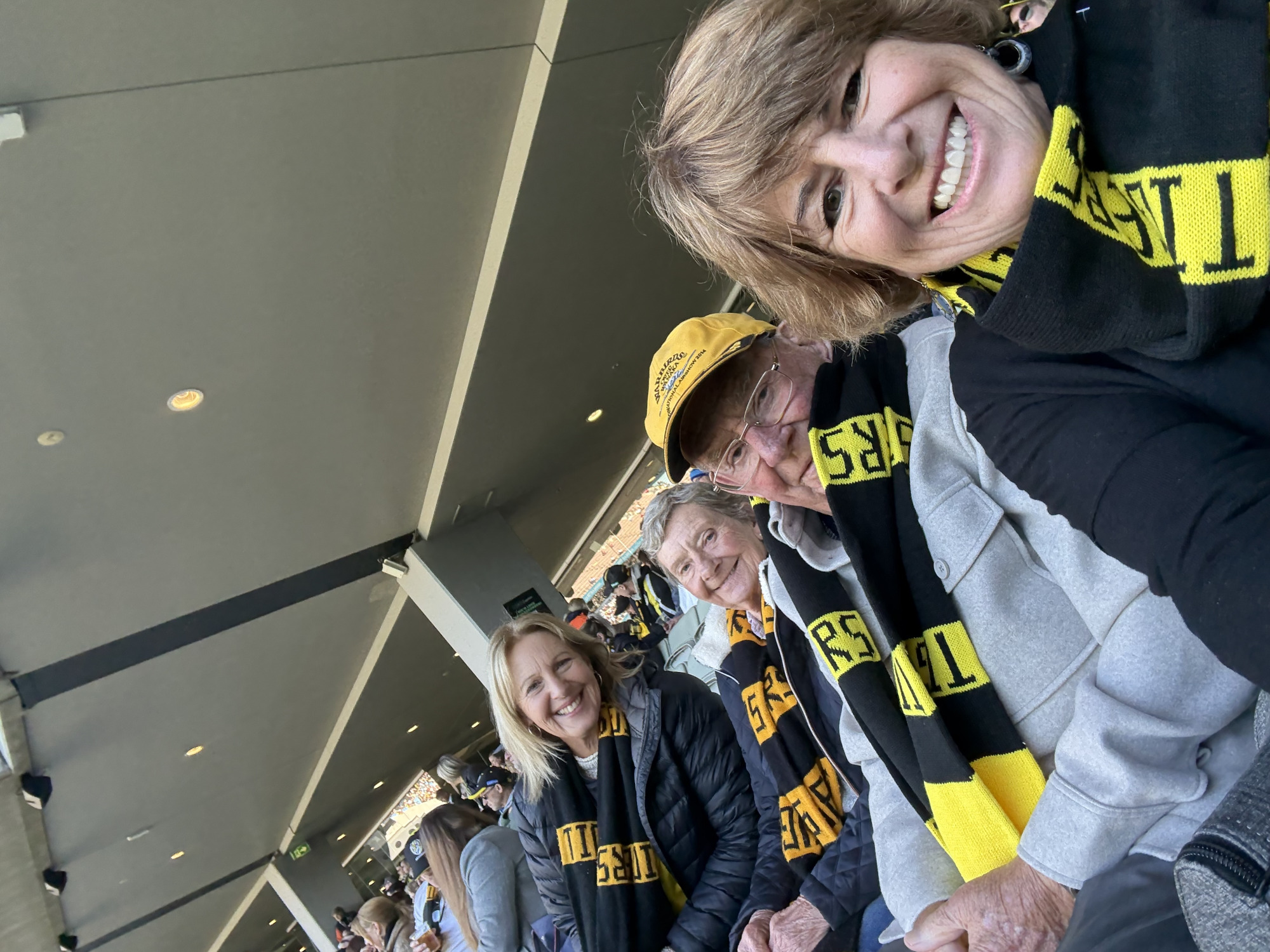
"I'm still a Richmond
heart and heart,"
through and through.
Yeah, what's the secret
to a long life?
I think milk
has got a lot to do with it.
I drank a lot of milk.
Towards the end of me life, now,
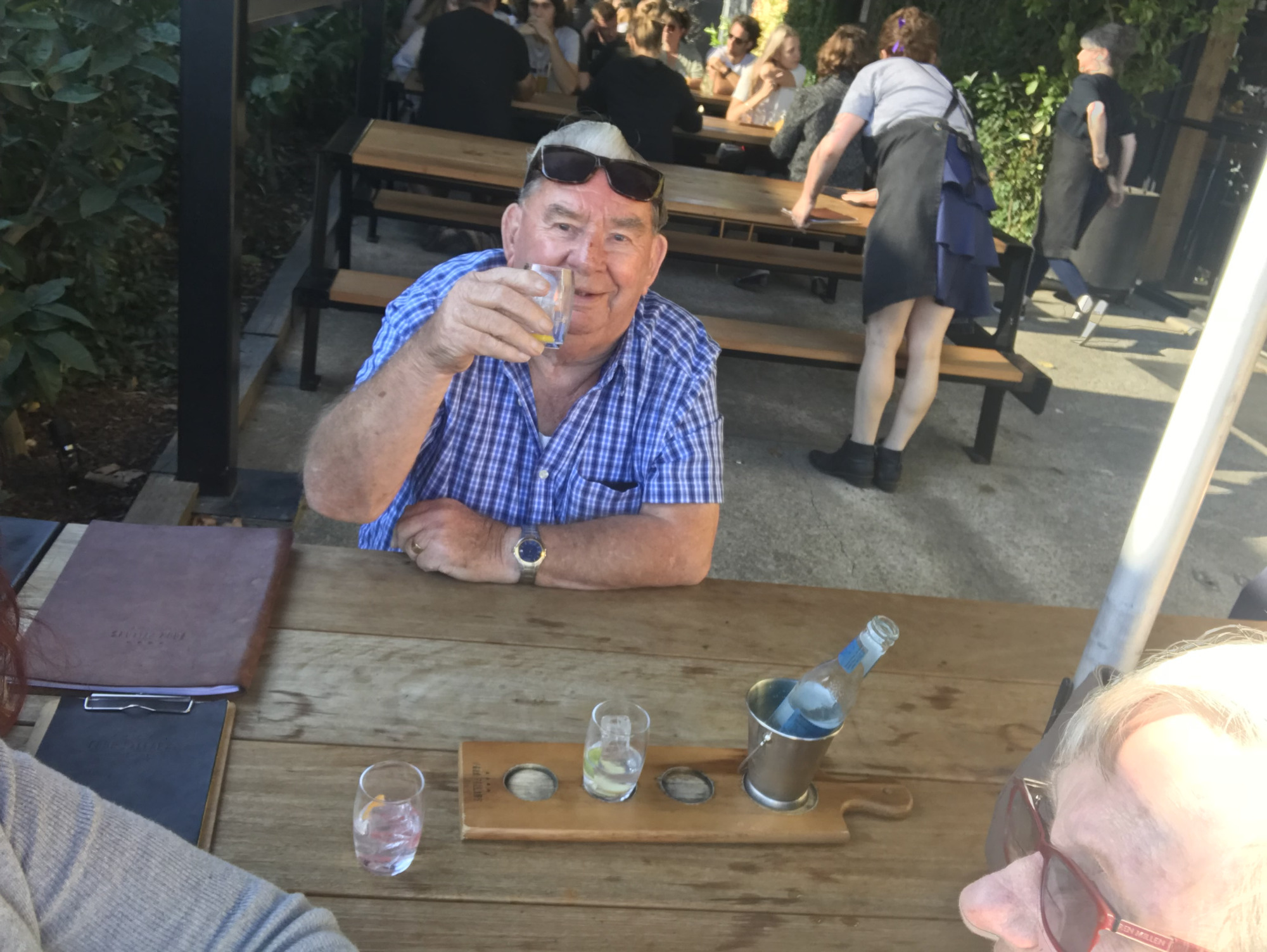
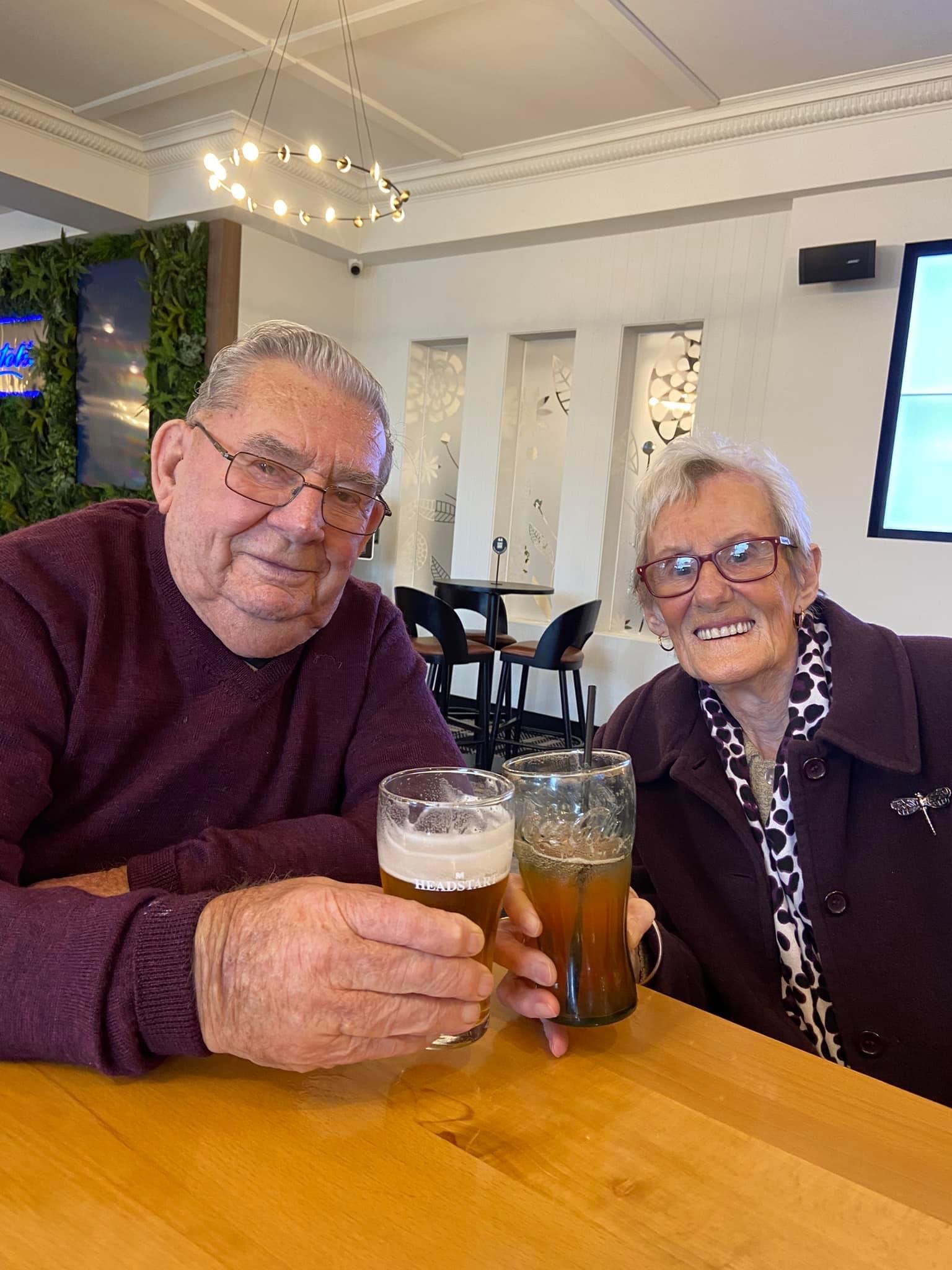
"I drink a bit of beer,
but not much."
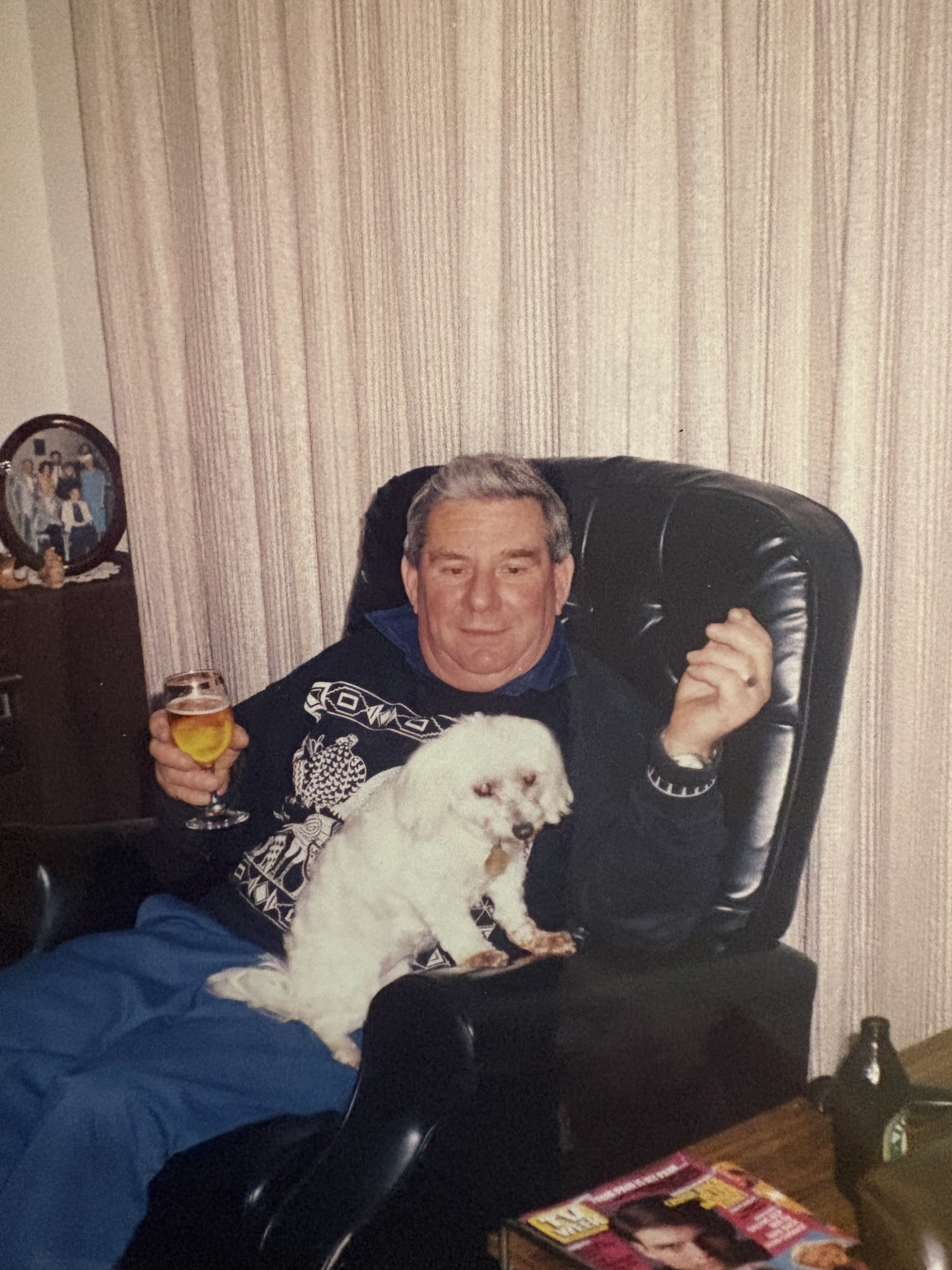
I have two stubbies a day
but I'm still drinking me milk.
And I think
milk would probably be
the biggest factor
why I am still alive today
"I drank milk
from when I was young,"
right up and still drinking it.
Never give that away.